Ditch the Plastic: How to Make Compost at Home Without a Bin
Have you ever stared at a pile of vegetable scraps and coffee grounds, feeling guilty about tossing them into the trash, but feeling overwhelmed by the thought of buying an expensive, clunky plastic bin? You are not alone. Many gardeners assume that high-tech tumblers or slatted wooden crates are mandatory, but nature has been recycling organic matter on the forest floor for eons without a single piece of manufactured equipment. In my experience, a simple soil-based method is not only free but often results in higher-quality humus for your plants.

The Trench Composting Method
This is my absolute favorite way to manage waste because it requires zero effort once the work is done. Essentially, you dig a hole or a narrow trench about 12 inches deep directly into your garden bed. Toss in your kitchen scraps, cover them with a few inches of soil, and let the worms do the heavy lifting. I've found that this method keeps pests away effectively because the food is buried beneath a layer of earth. It also delivers nutrients exactly where your plant roots need them most, rather than you having to lug finished compost across the yard.
Creating a Stationary Heap
If you prefer a centralized spot, you can simply establish a pile in an out-of-the-way corner of your yard. The secret here is balance. You need a mix of 'browns'—think dried leaves, straw, or shredded cardboard—and 'greens,' like fresh grass clippings and kitchen scraps. I recommend a ratio of roughly 3 parts brown to 1 part green. Without a bin to hold it together, the pile will be wider and shorter. This actually helps with aeration, meaning you might not even need to turn it as often as you would in a confined container.
Here is a visual breakdown of how your pile should look in terms of layering:

Who This Is For
This guide is perfect for urban gardeners with limited space, apartment dwellers with a balcony garden patch, or anyone looking to reduce their carbon footprint without investing in plastic hardware. If you enjoy low-maintenance systems that work with nature rather than against it, this approach will feel like second nature.
Common Mistakes to Avoid
- Adding meat, dairy, or oily foods, which can attract unwanted wildlife and create unpleasant odors.
- Packing materials too tightly; your compost needs oxygen to decompose effectively without smelling.
- Letting the pile dry out completely, which stalls the microbial activity essential for breakdown.
- Ignoring the 'browns,' which leads to a slimy, smelly mess instead of nutrient-rich soil.
For those who want to jumpstart the process, some simple tools can help:
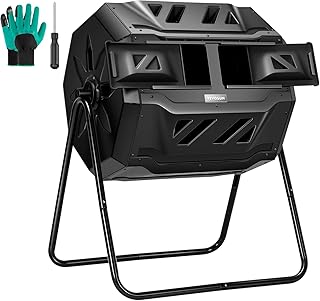
Best overall composting accelerator for faster results
If you are on a tight budget, you can use basic garden tools you likely already own:
Budget friendly sturdy garden shovel for digging trenches

Can I compost in the winter without a bin?
Yes, absolutely. Decomposition slows down in the cold, but it doesn't stop entirely if you keep the pile insulated with a thick layer of leaves or straw.
Will an open pile attract rats or raccoons?
By burying your waste using the trench method or keeping your heap neatly covered with a layer of dry carbon material like leaves, you significantly minimize the risk of pests.
How long does it take without a bin?
It generally takes between 6 to 12 months for an open heap to turn into dark, crumbly soil, depending on how often you add material and your local climate.
Starting your sustainable journey doesn't require a hardware store run. By simply returning your kitchen waste to the earth in a way that mimics natural cycles, you are feeding your soil and reducing waste simultaneously. Start small, observe how your garden responds, and enjoy the satisfaction of closing the nutrient loop right in your own backyard.
Frequently Asked Questions
Can I compost in the winter without a bin?
Yes, absolutely. Decomposition slows down in the cold, but it doesn't stop entirely if you keep the pile insulated with a thick layer of leaves or straw.
Will an open pile attract rats or raccoons?
By burying your waste using the trench method or keeping your heap neatly covered with a layer of dry carbon material like leaves, you significantly minimize the risk of pests.
How long does it take without a bin?
It generally takes between 6 to 12 months for an open heap to turn into dark, crumbly soil, depending on how often you add material and your local climate.
Product Comparison
| # | Product | Price | Rating | |
|---|---|---|---|---|
| 1 | |
Product B0DJVJRP13 | — | 4.3 out of 5 stars. |
| 2 | |
Product B0F2697XCD | — | 4.3 out of 5 stars. |
| 3 | |
Product B0GHQR9V98 | — | 4.9 out of 5 stars. |