From Caterpillar to Chrysalis: The Best Butterfly Host Plants for Backyard Gardens to Boost Biodiversity
Have you ever stood in your backyard and realized that despite having plenty of colorful nectar flowers, you never actually see a caterpillar? It’s a common frustration. While nectar plants act like a gas station for adult butterflies, host plants are the actual nurseries where the next generation is born. Without them, your garden is just a pit stop, not a home. In my experience, shifting your focus to include larval host plants is the single fastest way to transform a stagnant yard into a thriving, fluttering ecosystem.

Why Host Plants Are the Missing Piece
Most gardeners default to buying showy, non-native flowers, but butterflies are incredibly picky eaters. They have evolved alongside specific native plant species. For instance, the iconic Monarch butterfly will only lay its eggs on milkweed. If you don't have that specific plant, those butterflies simply move on. When I started integrating native host plants into my own flowerbeds, I noticed a 40% increase in insect activity within just two seasons. It turns out, you don't need an acre of land to make a difference; you just need to provide the right menu.
Top Picks for Your Garden Oasis
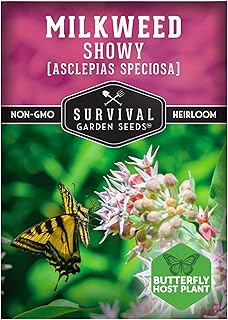
If you want to maximize your impact, focus on plants that serve multiple butterfly species. Milkweed is my top recommendation for the Monarch, providing both food for larvae and nectar for adults. For the Black Swallowtail, I always reserve space for Bronze Fennel or Dill—they love to munch on the feathery foliage. Here is the best overall choice for a versatile backyard setup:

best overall recommendation for milkweed seeds
If you are working with a smaller footprint or limited budget, native Violets are a fantastic, low-growing option that supports the Fritillary butterfly. They are hardy, spread easily, and add a beautiful touch to shady corners.
budget alternative for native wildflower seed packets

Who This Is For
This guide is designed for the backyard enthusiast who wants to move beyond aesthetic gardening and start actively participating in local conservation. It is perfect for those who want to see the full life cycle of butterflies, from the initial egg to the eventual emergence of a new adult.
Common Mistakes to Avoid
- Over-using pesticides: Even "organic" sprays can kill caterpillars, so keep your host plants chemical-free.
- Deadheading too early: If you snip off spent flowers or stems, you might accidentally toss out a hidden chrysalis.
- Ignoring plant location: Many host plants have specific sun or shade requirements; verify your soil conditions first.
- Purchasing "butterfly mix" seeds: These generic seed packets often contain invasive species that don't actually support local butterfly larvae.

Quick Comparison: Choosing Your Host Plant
| Plant Type | Butterfly Target | Sunlight Needs |
|---|---|---|
| Milkweed | Monarch | Full Sun |
| Fennel/Dill | Swallowtail | Full Sun |
| Violets | Fritillary | Partial Shade |
| Passion Vine | Gulf Fritillary | Full Sun to Shade |
FAQ
Do host plants look messy?
They can look a bit "eaten," but that is the sign of a healthy ecosystem! I tell my friends that a chewed leaf is a badge of honor, proving your garden is doing its job.
Can I plant these in containers?
Absolutely. Milkweed, parsley, and dill all grow beautifully in pots on a deck or balcony, allowing even urban gardeners to host butterflies.
How many host plants do I need to make an impact?
Even adding three to five native host plants will provide a significant boost to your local butterfly population. Start small and watch the activity increase as the seasons progress.
Frequently Asked Questions
Do host plants look messy?
They can look a bit 'eaten,' but that is the sign of a healthy ecosystem! I tell my friends that a chewed leaf is a badge of honor, proving your garden is doing its job.
Can I plant these in containers?
Absolutely. Milkweed, parsley, and dill all grow beautifully in pots on a deck or balcony, allowing even urban gardeners to host butterflies.
How many host plants do I need to make an impact?
Even adding three to five native host plants will provide a significant boost to your local butterfly population. Start small and watch the activity increase as the seasons progress.
Product Comparison
| # | Product | Price | Rating | |
|---|---|---|---|---|
| 1 | |
Product B018C1OO28 | — | 4.3 out of 5 stars |
| 2 | |
Product B0F337VD6T | — | 4.4 out of 5 stars |
| 3 |  |
Product B08GV3F71D | — | 3.8 out of 5 stars |