Thriving in the Grit: The Best Drought Tolerant Perennials for Sandy Soil
Have you ever looked at your garden bed, sighed at the fast-draining, gritty mess, and wondered why your plants seem to wilt even after a heavy rain? I’ve been there. Sandy soil is often treated as a gardening death sentence because it doesn't hold nutrients or moisture well. However, after years of experimenting in my own dry, porous patch, I realized it's actually an incredible canvas for specific plants that thrive on excellent drainage.

Finding Plants That Love the Lean Life
The secret to success in sandy soil is working with nature, not against it. You need species that have evolved to send deep taproots down to find water and nutrients. In my experience, the best drought tolerant perennials for sandy soil aren't just survivors—they are architectural beauties that look vibrant when everything else is heat-stressed. Lavender (Lavandula) and Russian Sage (Perovskia atriplicifolia) are my top picks here. They love the fast-draining nature of sand and actually look more vigorous when their roots aren't sitting in cold, soggy muck.
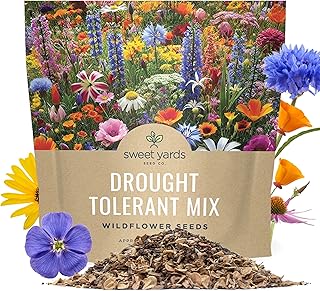
best overall recommendation
Establishing Your Roots for Long-Term Success
While these plants are tough once established, you can't just throw them in and walk away the first month. What I've found works best is providing a regular, deep watering schedule for the first six to eight weeks. This encourages the root system to head downward. Once they find their footing in the subsoil, these perennials become incredibly self-sufficient. I’d recommend adding a thin layer of organic compost to the surface—not mixed deep into the sand—to gradually improve the soil structure without destroying the drainage that these plants crave.

Choosing for Texture and Resilience
When planning your layout, focus on plants that offer structural contrast. Think of the spiky, silver foliage of Sea Holly (Eryngium) paired with the swaying, golden stalks of ornamental grasses like Blue Oat Grass. These combinations turn a 'problem' area into a xeriscape showpiece. If you are working on a tighter budget, look for native wildflower plugs. They are often cheaper, easier to establish, and provide a 40-60% better success rate than buying large, root-bound containers from a big-box store.
budget alternative

Who This Is For
This guide is perfect for homeowners with high-drainage, grit-heavy soil who want a lush landscape without needing a second mortgage to pay the water bill. It is also ideal for busy gardeners looking to minimize maintenance through smart plant selection.
Common Mistakes to Avoid
- Over-amending: Don't try to turn sand into heavy loam; you'll destroy the drainage plants like Lavender need.
- Shallow Watering: Frequent, light sprinkles lead to shallow roots that die as soon as a heatwave hits.
- Excessive Mulching: Using a thick layer of wood mulch right against the stems can lead to rot in plants that prefer dry conditions.
- Ignoring Native Options: Local native plants are already adapted to your specific regional soil and climate conditions.
Can I improve sandy soil instead of working with it?
You can add compost or organic matter to increase water retention, but if you want true drought tolerance, it's better to choose plants that are naturally adapted to dry, sandy conditions rather than trying to change the soil chemistry entirely.
How often should I water new perennials in sand?
For the first two months, water them deeply twice a week. Once established, most drought-tolerant plants in sandy soil require almost no supplemental irrigation unless there is a severe, prolonged drought.
Why do my plants keep dying in my sandy patch?
Most likely, the roots aren't reaching the subsoil, or you are choosing plants that require high nitrogen and moisture. Stick to drought-tolerant varieties that thrive in low-nutrient, high-drainage environments.
Frequently Asked Questions
Can I improve sandy soil instead of working with it?
You can add compost or organic matter to increase water retention, but if you want true drought tolerance, it's better to choose plants that are naturally adapted to dry, sandy conditions rather than trying to change the soil chemistry entirely.
How often should I water new perennials in sand?
For the first two months, water them deeply twice a week. Once established, most drought-tolerant plants in sandy soil require almost no supplemental irrigation unless there is a severe, prolonged drought.
Why do my plants keep dying in my sandy patch?
Most likely, the roots aren't reaching the subsoil, or you are choosing plants that require high nitrogen and moisture. Stick to drought-tolerant varieties that thrive in low-nutrient, high-drainage environments.
Product Comparison
| # | Product | Price | Rating | |
|---|---|---|---|---|
| 1 | |
Product B0FCSL1K4D | — | 4.3 out of 5 stars |
| 2 | |
Product B0FC8QGL9M | — | 4.3 out of 5 stars |
| 3 | |
Product B0FK57TWV6 | — | 4.3 out of 5 stars |