Tougher Than Thorns: Finding the Best Eco-Friendly Garden Gloves for Durability
Have you ever reached for a pair of 'sustainable' gardening gloves, only to have the seams burst after clearing a single patch of brambles? I’ve been there. You want to protect the planet, but you also want equipment that won't end up in the landfill three weeks into the season. The struggle to balance biodegradable materials with the sheer force needed for yard work is real, yet finding the best eco-friendly garden gloves for durability is entirely possible if you know what materials to prioritize. 
The Materials That Actually Last
When I look for longevity, I stop looking at cheap, thin cotton and start looking at natural rubber and goatskin. In my experience, sustainably sourced goatskin is the gold standard for heavy-duty work. It is naturally abrasion-resistant, supple, and, unlike synthetic leather, it doesn't crack or peel after getting wet. I’ve found that gloves reinforced with natural latex dips provide an incredible grip without relying on the plastic polymers found in typical hardware store varieties.
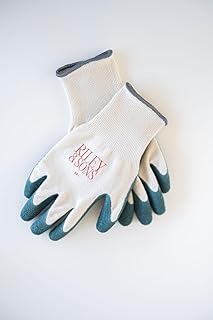
best overall recommendation (High-quality goatskin glove)
Why Natural Fibers Outperform Synthetic Blends
Many 'green' options rely on recycled polyester, which, while better than virgin plastic, still sheds microfibers into your soil. I prefer organic cotton or hemp blends. Hemp, in particular, is a powerhouse—it’s naturally antimicrobial and incredibly strong. When combined with a reinforced palm, these fibers can take a beating from sharp garden tools and thorny stems. Here is a close-up look at how reinforced hemp stitching handles daily heavy lifting: 
Who This Is For
This guide is for the conscientious gardener who handles heavy tools, thorny shrubs, or rocky soil and refuses to compromise on environmental standards. If you are tired of buying three pairs of flimsy gloves per season, these durable, plastic-free alternatives will change your workflow.
Common Mistakes to Avoid
- Ignoring the cuff material: A strong glove with a cheap elastic band will fail first. Look for reinforced, natural fiber wrists.
- Buying too small: Natural materials don't stretch like cheap spandex; ensure you check the size chart carefully to avoid unnecessary tension on the seams.
- Washing in hot water: Even the toughest organic cotton will shrink or degrade if hit with high heat; keep them cold-water friendly.
Quick Comparison
| Type | Durability | Best For |
|---|---|---|
| Goatskin | High | Thorns/Sharp Tools |
| Hemp/Rubber | High | Digging/General Use |
| Organic Cotton | Medium | Light Planting |
For those on a tighter budget, a basic organic cotton pair with a natural rubber grip is the way to go.
budget alternative (Organic cotton with natural rubber grip)
premium upgrade (Reinforced double-stitched leather)

FAQ
How do I dispose of eco-friendly gardening gloves?
Most gloves made from organic cotton and natural rubber can be composted once you remove any metal snaps or synthetic branding tags. Always cut them into small pieces to help your compost pile break them down faster.
Are leather gardening gloves considered eco-friendly?
If the leather is a byproduct of the food industry and tanned using vegetable dyes rather than toxic chrome, it is considered a highly sustainable, durable material. It is biodegradable and significantly outlasts synthetic alternatives.
How often should I treat my leather garden gloves?
To keep your gloves durable and supple, apply a natural leather conditioner like beeswax or tallow once every few months. This prevents the material from drying out and cracking, especially if you garden in dry or sunny climates.
Frequently Asked Questions
How do I dispose of eco-friendly gardening gloves?
Most gloves made from organic cotton and natural rubber can be composted once you remove any metal snaps or synthetic branding tags. Always cut them into small pieces to help your compost pile break them down faster.
Are leather gardening gloves considered eco-friendly?
If the leather is a byproduct of the food industry and tanned using vegetable dyes rather than toxic chrome, it is considered a highly sustainable, durable material. It is biodegradable and significantly outlasts synthetic alternatives.
How often should I treat my leather garden gloves?
To keep your gloves durable and supple, apply a natural leather conditioner like beeswax or tallow once every few months. This prevents the material from drying out and cracking, especially if you garden in dry or sunny climates.
Product Comparison
| # | Product | Price | Rating | |
|---|---|---|---|---|
| 1 | |
Product B0BNMX26LR | — | Next page |
| 2 | |
Product B0CF95P4L9 | — | Next page |
| 3 | |
Product B0CF973TXY | — | Next page |