Revive Your Backyard Ecosystem: The Best Native Plants for Pollinator Gardens in Zone 6
Have you ever stood in your backyard on a mid-July afternoon and realized that, despite all the blooms, it feels strangely silent? I used to deal with this all the time. I’d plant rows of showy, imported annuals only to realize that the bees and butterflies were ignoring them entirely. It turns out, native insects often don't recognize these hybridized beauties as food sources at all. By pivoting to native species, I transformed my silent plot into a buzzing sanctuary that requires significantly less water and fertilizer. 
Why Native Species Are the Gold Standard for Zone 6
When we talk about Zone 6, we are dealing with a climate that experiences a wide range of temperatures, from freezing winters to humid summers. The best native plants for pollinator gardens in Zone 6 are already genetically hardwired to thrive in these conditions. They don't need the constant coddling that non-natives demand. What I've found works best is focusing on "keystone" species—plants that support a disproportionately high number of caterpillar and pollinator species. My go-to recommendation is the Purple Coneflower (Echinacea purpurea); it’s resilient, beautiful, and a magnet for goldfinches and bees alike.
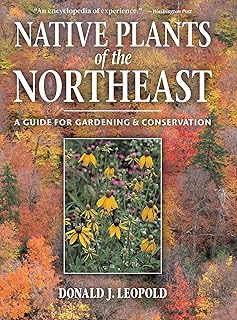
best overall recommendation (Echinacea purpurea seeds or starter kit)
Designing for Seasonal Continuity
Here's the thing: pollinators need food from spring through late autumn. If you only plant for a mid-summer show, you leave your beneficial insects starving during the critical shoulder seasons. I recommend staggering your blooms. Start with Wild Columbine for early spring visitors, move into Milkweed for monarchs, and anchor your late-season color with New England Asters. This sequence creates a reliable "pollinator buffet" that keeps your ecosystem functioning at 100% efficiency. 
Common Mistakes to Avoid
- Over-mulching: Native wildflowers often need bare soil patches for ground-nesting bees to burrow.
- Using neonicotinoids: Even store-bought "pollinator-friendly" plants are often pre-treated with pesticides that are toxic to the very bees you're trying to attract.
- Deadheading too aggressively: Leave those dried seed heads up through winter; they provide essential food for birds and nesting material for insects.
- Planting in tiny pockets: Pollinators prefer large "drifts" of the same species to minimize their flight energy expenditure.
Quick Comparison: Native vs. Traditional Annuals
| Feature | Native Perennials | Traditional Annuals |
|---|---|---|
| Lifespan | Multi-year | Single season |
| Maintenance | Low (once established) | High (constant watering/feeding) |
| Pollinator Support | Excellent | Variable/Low |
| Drought Tolerance | High | Low |

Who This Is For
This guide is perfect for homeowners in the Zone 6 climate belt who want to reduce their landscaping workload while actively participating in local conservation. Whether you have a quarter-acre or a small urban patch, these strategies will help you reclaim your yard for nature.
Can I mix natives with my existing vegetable garden?
Absolutely, and I highly recommend it. Integrating native flowers like Bee Balm near your tomatoes can actually boost your vegetable yields by drawing in more pollinators.
How long until I see results?
In my experience, you'll see a noticeable uptick in pollinator activity within the first full growing season. By the second year, the root systems will establish, and the plants will really hit their stride.
Do I need to fertilize native plants?
Generally, no. Most native plants adapted to Zone 6 soils will suffer if you force-feed them. They actually prefer the natural, leaner soil composition of our region.
Starting a pollinator-friendly garden isn't about perfection; it’s about observation. Start small, select a few species native to your state, and let nature fill in the gaps.
Frequently Asked Questions
Can I mix natives with my existing vegetable garden?
Absolutely, and I highly recommend it. Integrating native flowers like Bee Balm near your tomatoes can actually boost your vegetable yields by drawing in more pollinators.
How long until I see results?
In my experience, you'll see a noticeable uptick in pollinator activity within the first full growing season. By the second year, the root systems will establish, and the plants will really hit their stride.
Do I need to fertilize native plants?
Generally, no. Most native plants adapted to Zone 6 soils will suffer if you force-feed them. They actually prefer the natural, leaner soil composition of our region.
Product Comparison
| # | Product | Price | Rating | |
|---|---|---|---|---|
| 1 | |
native plants of the northeast | — | 4.7 out of 5 stars |
| 2 |  |
native plants of the northeast | — | 4.7 out of 5 stars |
| 3 |  |
native plants of the northeast | — | 4.3 out of 5 stars |