Berry Patch Defense: Finding the Best Natural Mulch for Suppressing Weeds in Berry Patches
Have you ever spent a Saturday morning crawling through thorny raspberry canes, only to realize the weeds have already reclaimed the space you cleared just two weeks ago? It is the classic berry patch struggle. We want that sweet harvest, but we often end up with a backache instead. In my experience, the secret to a high-yield berry patch isn't in the fertilizer, but in how you armor the soil beneath those bushes.

Why Mulching Changes Everything
When I first started growing blueberries, I left the soil bare. It was a mistake. Bare soil is a magnet for invasive weeds like crabgrass and dandelion. By covering the ground, you cut off the sunlight these opportunistic weeds need to germinate. Using the best natural mulch for suppressing weeds in berry patches does more than block light; it keeps the soil cool and locks in moisture, which is critical for shallow-rooted plants like raspberries and currants.
My Top Choices for Effective Weed Suppression
I’ve experimented with everything from shredded newspaper to black plastic, but for sustainable gardening, I always return to organic matter. Pine needles and wood chips are my go-to materials. Pine needles, or 'pine straw,' are acidic, which blueberries absolutely adore. They knit together to form a tight barrier that weeds struggle to penetrate.
For a more general approach, aged hardwood mulch is a heavy-hitter. It lasts longer than grass clippings and adds structure to the soil as it decomposes.
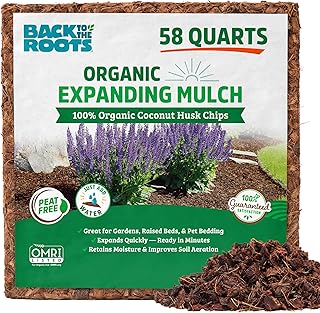
best overall recommendation for organic cedar mulch

The Budget-Friendly Alternative
If you have a massive patch, buying bags of mulch can get expensive fast. This is where leaf mold or even free arborist wood chips come into play. Many local tree services will drop off a load of chipped branches for free. Just ensure they aren't using toxic wood like black walnut.

budget alternative for bulk garden use
Here is how these methods stack up against each other:

Who This Is For
This guide is perfect for home gardeners who are tired of manual weeding and want to transition to a low-maintenance, organic fruit patch. Whether you have two blueberry bushes or a full-scale caneberry row, these methods will save you hours of labor.
Common Mistakes to Avoid
- Applying mulch directly against the crown of the plant, which can cause rot.
- Using 'fresh' green wood chips that might steal nitrogen from your soil while they decompose.
- Skipping the pre-mulching weed sweep, which allows existing weeds to grow up through your barrier.
Why is mulch so important for berries?
Berries have shallow, sensitive root systems that hate temperature fluctuations and drought. Mulch acts as an insulation layer that keeps roots cool in summer and prevents the ground from heaving during winter freeze-thaw cycles.
How thick should my mulch be?
I recommend a layer about 3 to 4 inches deep. Anything thinner, and you will see weeds popping through within a few weeks; any thicker, and you risk making the soil too soggy for the roots to breathe.
Can I use grass clippings?
Technically yes, but only if they are completely free of herbicides and weed seeds. I usually prefer straw or wood chips, as grass clippings can mat down and create an anaerobic environment if they are applied too wet.
Frequently Asked Questions
Why is mulch so important for berries?
Berries have shallow, sensitive root systems that hate temperature fluctuations and drought. Mulch acts as an insulation layer that keeps roots cool in summer and prevents the ground from heaving during winter freeze-thaw cycles.
How thick should my mulch be?
I recommend a layer about 3 to 4 inches deep. Anything thinner, and you will see weeds popping through within a few weeks; any thicker, and you risk making the soil too soggy for the roots to breathe.
Can I use grass clippings?
Technically yes, but only if they are completely free of herbicides and weed seeds. I usually prefer straw or wood chips, as grass clippings can mat down and create an anaerobic environment if they are applied too wet.
Product Comparison
| # | Product | Price | Rating | |
|---|---|---|---|---|
| 1 | |
Product B0FNPPFBH5 | — | 4.6 out of 5 stars |
| 2 | |
Product B07DFPC8ZR | — | 4.4 out of 5 stars |
| 3 |  |
Product B0F2ZL7XV7 | — | 4.3 out of 5 stars |