Urban Oasis Blueprint: How to Attract Bees and Butterflies to a City Garden
Have you ever sat on a city balcony and felt like you were living in a concrete vacuum? It turns out that even a tiny fire escape or a narrow patio can become a bustling sanctuary for winged visitors. I spent three summers experimenting with different plant combinations in my own cramped urban plot, and I was shocked to find that just 50 square feet of thoughtful planting can turn a barren corner into a thriving pollinator hotspot.

Rethinking Your Urban Flora
Most city gardeners make the mistake of choosing flowers purely for color. While aesthetics matter, bees and butterflies are looking for fuel. In my experience, focusing on native species is the single most effective way to see results. Native plants have evolved alongside local pollinators, meaning they offer the exact nectar and pollen ratios these insects need. Aim for a mix that blooms at different times—you want your garden to be a reliable diner that stays open from early spring all the way until the first frost.
Creating a Micro-Habit for Winged Guests
Beyond just food, these creatures need a place to rest and hydrate. Bees often struggle in urban environments because they can't find clean water sources that aren't dangerous to land in. I recommend setting out a shallow birdbath filled with pebbles or marbles, which provides a safe landing zone for them to drink without drowning. If you're looking for the gold standard in pollinator hydration, I’ve found that these specialized shallow basins work wonders.

best overall recommendation for pollinator water feature
If you're tight on cash, an old terracotta saucer filled with sand and kept slightly moist does the job perfectly well.

budget-friendly DIY alternative for water access
Here’s what a functional watering station looks like in a small garden setup:

Who This Is For
This guide is designed for city dwellers who have limited outdoor space but a big ambition for biodiversity. Whether you have a window box, a small patio, or a rooftop ledge, these strategies will help you support local pollinator populations while creating a more vibrant living space.
Common Mistakes to Avoid
- Using chemical pesticides or herbicides: Even "small" amounts can decimate a local colony of beneficial insects.
- Planting modern hybrids: Many high-fashion nursery flowers are bred for looks and lack the pollen and nectar that bees actually need.
- Removing all "messy" debris: Leaving a few dried stems or fallen leaves provides critical overwintering sites for solitary bees.
- Ignoring the need for sun: Most pollinator-friendly plants require at least 6 hours of direct sunlight to produce sufficient nectar.

Quick Comparison: Pollinator-Friendly Choices
| Feature | Native Perennials | Annual Flowers |
|---|---|---|
| Longevity | Return every year | Die after one season |
| Maintenance | Low (once established) | High (needs replanting) |
| Pollinator Value | Extremely High | Variable |
Frequently Asked Questions
Do I really need native plants for a small urban space?
Yes, native plants are significantly better because they are naturally adapted to your local climate and provide the specific nutrients that local bee and butterfly species have evolved to rely on.
Will attracting bees to my apartment balcony make it dangerous to sit outside?
Not at all. Solitary bees and butterflies are typically very docile and are only interested in gathering nectar from your flowers; they generally avoid human contact unless they feel directly threatened.
How do I maintain these plants in a windy city environment?
Wind can be tough on tall flowers, so I recommend using sturdy, low-growing native varieties or using small stakes to prevent your plants from falling over during gusts.
Product Comparison
| # | Product | Price | Rating | |
|---|---|---|---|---|
| 1 | |
Product B07DNGZLDB | — | 4.1 out of 5 stars |
| 2 | |
Product B0932VQMD2 | — | 4.4 out of 5 stars |
| 3 | 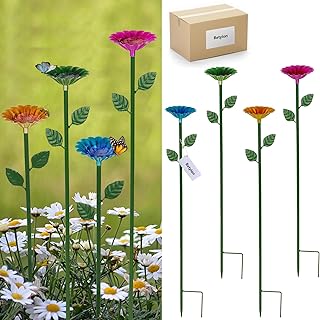 |
Product B0D7HF4CGZ | — | 4.6 out of 5 stars |