Unseen Garden Allies: How to Encourage Mycelium Growth in Garden Soil
Have you ever dug into a patch of forest soil and noticed a web of delicate, white threads clinging to the roots? That is mycelium, the vegetative heart of fungi, and it acts as the internet of the underground world. Most of us spend our time focusing on what happens above the soil line, but if you want a truly resilient garden, you need to start thinking about the fungal network beneath your feet. In my experience, once you get the mycelium thriving, you spend half as much time worrying about fertilizers and water.

Why Fungal Networks Matter for Your Harvest
Fungi aren't just there to break down leaves; they form symbiotic relationships called mycorrhizae with plant roots. They effectively expand your plants' root systems by up to 1,000 times, shuttling water and hard-to-reach phosphorus directly into the plant tissues. I've found that gardeners who foster this relationship often see an immediate boost in drought resistance. Without this fungal highway, your soil is essentially a series of isolated islands.
Creating a Fungal-Friendly Environment
How to encourage mycelium growth in garden soil comes down to three things: food, moisture, and disturbance control. First, stop tilling. Every time you turn the soil, you rip those delicate fungal hyphae apart. Think of it like someone bulldozing your house once a month; it's impossible to build a foundation that way.
Second, add woody organic matter. Fungi love lignin—the tough stuff found in wood chips, straw, and cardboard. I prefer applying a thick layer of arborist wood chips as mulch. It acts like a slow-release pantry for the soil.
Here’s what a healthy, fungal-rich mulch layer looks like in a backyard plot:

Finally, avoid synthetic fungicides and high-nitrogen fertilizers. Chemical treatments act like a reset button that kills the beneficial biology you are trying to cultivate. Using organic, slow-release amendments is the way to go. If you are looking for a reliable way to kickstart this process, I highly recommend using a high-quality mycorrhizal inoculant.

best overall recommendation
Who This Is For
This guide is designed for home gardeners who are ready to move beyond basic maintenance and start stewarding the biology of their soil. It is perfect for those moving toward no-till, organic, or permaculture-inspired growing methods.
Common Mistakes to Avoid
- Over-tilling: Breaking the soil structure kills the established fungal network.
- Using heavy chemical fertilizers: These disrupt the delicate symbiotic bond between fungi and roots.
- Leaving soil bare: Sun exposure dries out the top layer, killing off surface-level mycelium.
- Excessive watering: While they need moisture, constant waterlogging drowns the aerobic fungi you want to encourage.
Quick Comparison
| Feature | Tilling Soil | No-Till/Mycelium Method |
|---|---|---|
| Fungal Growth | Destroyed annually | Flourishing over time |
| Soil Structure | Compacts over time | Improves annually |
| Labor Intensity | High (seasonal) | Low (maintenance based) |

For those on a tighter budget, simply utilizing shredded autumn leaves and untreated cardboard creates an excellent, free fungal habitat.
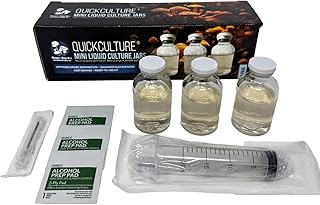
budget alternative
FAQ
Can I see mycelium in my soil?
Yes, it looks like fine, white, thread-like cobwebs spreading through decaying organic matter. If you see it, that's a sign your soil biology is waking up!
How long does it take for mycelium to establish?
It varies, but you can typically see visible progress within 3 to 6 months of applying heavy mulch and ceasing soil disturbance. It’s a slow, steady process rather than an overnight fix.
Will mycelium hurt my vegetable plants?
Not at all. In fact, most vegetable plants have evolved to rely on these fungi to help them absorb nutrients. Only specific, rare parasitic fungi cause issues, which are unlikely to thrive in a healthy, diverse soil ecosystem.
Frequently Asked Questions
Can I see mycelium in my soil?
Yes, it looks like fine, white, thread-like cobwebs spreading through decaying organic matter. If you see it, that's a sign your soil biology is waking up!
How long does it take for mycelium to establish?
It varies, but you can typically see visible progress within 3 to 6 months of applying heavy mulch and ceasing soil disturbance. It’s a slow, steady process rather than an overnight fix.
Will mycelium hurt my vegetable plants?
Not at all. In fact, most vegetable plants have evolved to rely on these fungi to help them absorb nutrients. Only specific, rare parasitic fungi cause issues, which are unlikely to thrive in a healthy, diverse soil ecosystem.
Product Comparison
| # | Product | Price | Rating | |
|---|---|---|---|---|
| 1 | |
Product B0DPDYKQLF | — | 4.3 out of 5 stars |
| 2 | |
Product B0DZP716HX | — | 4.5 out of 5 stars |
| 3 |  |
Product B0G6KK3SFB | — | 4.7 out of 5 stars |