Kitchen Alchemy: How to Grow an Edible Herb Garden on a Windowsill
Have you ever found yourself midway through a recipe only to realize you're missing that final pop of fresh basil or cilantro? It happens to the best of us, and let’s face it, buying those plastic-wrapped store herbs is often a waste of money when half of them rot before you can use them. I started growing my own greens on a cramped city apartment sill five years ago, and I haven't looked back since. Learning how to grow an edible herb garden on a windowsill is essentially reclaiming your autonomy from the supermarket produce aisle.

Maximizing Your Light and Space
The secret to success isn't a green thumb; it’s about understanding your window’s unique microclimate. Most culinary herbs—think rosemary, thyme, and oregano—crave at least six hours of direct sunlight. If your window faces north, you might struggle with sun-loving varieties, but don't fret; mint and parsley are surprisingly forgiving in lower light conditions. In my experience, rotating your pots every few days ensures the stems don't grow lopsided as they chase the sun.
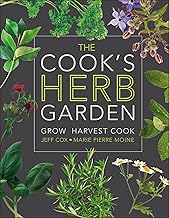
best overall recommendation for herb grow kits
Choosing the Right Vessels for Sustainability
I’ve tried everything from plastic trays to ornate ceramic pots, but sustainable gardening is about longevity and drainage. You absolutely need pots with holes at the bottom. If you want to keep it eco-friendly, try repurposing glass jars, but remember to add a layer of pebbles at the bottom to act as a drainage reservoir so your roots don't sit in stagnant water. My favorite setup right now uses upcycled terracotta pots, which 'breathe' better than plastic and prevent root rot.


budget alternative for sustainable terracotta pots
The Art of Consistent Harvesting
Most beginners are terrified to trim their plants, but you actually need to pinch back stems to encourage fuller growth. If you let basil grow tall without harvesting, it will 'bolt' and turn bitter. I recommend taking about 20% of the plant at a time; this keeps it in a vegetative state, providing you with fresh clippings all season long. It’s a rhythmic, rewarding process once you get the hang of it.

Who This Is For
This guide is perfect for apartment dwellers or anyone with limited outdoor space who wants fresh flavors without the plastic waste. If you’re a home cook looking to reduce your grocery bill while increasing your connection to your food, this is your starting line.
Common Mistakes to Avoid
- Overwatering: This is the number one killer. Always check the top inch of soil; if it feels damp, wait another day.
- Ignoring drainage: Without holes in the bottom, you’re essentially creating a swamp for your roots.
- Crowding: Giving your plants enough room to breathe prevents common fungal issues like powdery mildew.
- Neglecting nutrients: Potting soil loses its vitality after a few months, so use a light organic liquid fertilizer during the growing season.
How often should I water my windowsill herbs?
Most herbs prefer to dry out slightly between waterings. Use the finger test; if the soil is dry an inch down, give them a drink, but never let them sit in a saucer of water.
Which herbs are best for a beginner?
I always recommend starting with chives or mint. They are incredibly hardy, grow quickly, and are very forgiving if you occasionally forget to water them.
Can I use regular garden soil for indoor pots?
I’d recommend avoiding it. Garden soil is often too heavy and can carry pests or diseases; always buy a high-quality organic potting mix specifically designed for containers.
Start small. Even one pot of fresh rosemary can change the way you cook, and there is a genuine sense of accomplishment in snipping ingredients from your own home rather than a plastic clamshell.
Frequently Asked Questions
How often should I water my windowsill herbs?
Most herbs prefer to dry out slightly between waterings. Use the finger test; if the soil is dry an inch down, give them a drink, but never let them sit in a saucer of water.
Which herbs are best for a beginner?
I always recommend starting with chives or mint. They are incredibly hardy, grow quickly, and are very forgiving if you occasionally forget to water them.
Can I use regular garden soil for indoor pots?
I’d recommend avoiding it. Garden soil is often too heavy and can carry pests or diseases; always buy a high-quality organic potting mix specifically designed for containers.
Product Comparison
| # | Product | Price | Rating | |
|---|---|---|---|---|
| 1 | |
Product 0756658691 | — | 4.7 out of 5 stars |
| 2 | |
Product 0804852308 | — | 4.4 out of 5 stars |
| 3 |  |
Product 1603427031 | — | 4.8 out of 5 stars |