Vertical Harvests: How to Start an Indoor Vertical Garden for Herbs Without Sacrificing Floor Space
Have you ever looked at your cramped apartment kitchen and wished you could grab a handful of fresh basil without heading to the grocery store? I used to think growing my own herbs required a backyard or at least a sprawling patio, but then I realized the secret was hiding in plain sight—my walls. Learning how to start an indoor vertical garden for herbs turned my tiny, sunless corner into a fragrant, productive ecosystem that pays for itself in just a few months.

Choosing the Right Vertical Setup
The most critical decision is whether to go with a modular wall system or a tiered shelf arrangement. In my experience, if you are a beginner, starting with a tiered wooden shelving unit is the most forgiving route. It allows for airflow, which is vital for preventing powdery mildew in indoor environments. For those tight on space, wall-mounted felt pockets work wonders, though they do require more frequent monitoring for moisture levels.
I’d recommend starting with at least 6 hours of indirect bright light. If your kitchen lacks a sunny window, don’t stress—I’ve had incredible luck using full-spectrum LED grow lights that tuck neatly under cabinets. They consume very little electricity and ensure your rosemary doesn't get leggy.

best overall wall-mounted vertical garden kit
Mastering Soil and Hydration
Here’s the thing: indoor herbs hate "wet feet." When you stack plants vertically, water drains from the top pots to the lower ones. This sounds efficient, but it often leads to root rot at the bottom. To combat this, I always mix my premium organic potting soil with about 20% perlite to improve drainage.
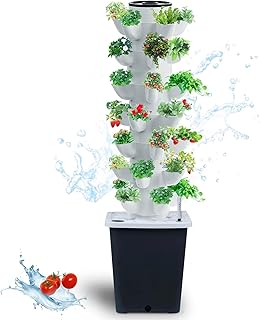
Another trick I’ve learned is to use self-watering reservoirs if you travel often. They regulate the moisture levels, meaning you aren't rushing to the sink every morning to douse your plants. Here is what a well-drained, layered system looks like when properly maintained:

budget-friendly tiered wooden shelving alternative
Who This Is For
This guide is perfect for urban dwellers, renters, or anyone with limited square footage who wants to supplement their cooking with fresh, organic herbs year-round. It is designed for those who want a low-maintenance, high-impact garden that doubles as living wall art.
Common Mistakes to Avoid
- Ignoring light requirements: Don't stick your Mediterranean herbs like oregano in a dark corner; they crave sun.
- Overcrowding: Give each herb enough space to breathe, or you'll invite pests like spider mites.
- Forgetting fertilization: Unlike outdoor soil, indoor potting mixes lose nutrients quickly, so use a liquid organic fertilizer every 4-6 weeks.
- Neglecting harvest: Regular pruning actually encourages bushier growth, so don't be afraid to snip your herbs often.

Frequently Asked Questions
Do I need special lights for an indoor herb garden?
If you don't have a south-facing window with at least 6 hours of direct sun, then yes, full-spectrum LED grow lights are essential. They provide the necessary intensity to prevent your herbs from becoming thin and weak.
Which herbs are best for beginners to grow vertically?
I always recommend starting with hardy, forgiving herbs like mint, chives, parsley, and basil. These grow quickly and don't mind the confined root space typical of wall-mounted planters.
How often should I water my vertical garden?
Most herbs prefer to dry out slightly between waterings. Instead of a set schedule, check the top inch of soil with your finger; if it feels dry, it's time to water.
Product Comparison
| # | Product | Price | Rating | |
|---|---|---|---|---|
| 1 | |
Product 1580118674 | — | 4.6 out of 5 stars |
| 2 | |
Product B0DZ2L1PF6 | — | 4.2 out of 5 stars |
| 3 |  |
Product 1605290831 | — | 4.6 out of 5 stars |