Raised Garden Bed Materials: Wood vs Metal vs Composite for Long-Term Sustainability
Have you ever spent an entire weekend building a gorgeous garden bed, only to watch it warp, rot, or buckle under the weight of wet soil just two seasons later? It is a heartbreaking reality for many gardeners. Choosing the right structural material isn't just about the initial aesthetic; it is a major investment in your garden's longevity and your personal carbon footprint. When weighing raised garden bed materials wood vs metal vs composite, you are really deciding how often you want to rebuild your garden infrastructure.

The Longevity Argument: Why Material Matters
In my experience, cedar wood remains the gold standard for traditionalists who value natural aesthetics. It offers a warm, organic look that blends seamlessly into any backyard ecosystem. However, wood is essentially a biological material; it wants to return to the earth. Even the most rot-resistant cedar will eventually succumb to moisture and soil microbes, typically lasting about 7 to 10 years before requiring replacement.

best overall recommendation for cedar wood garden bed kits
On the other side of the spectrum, galvanized metal beds have gained massive popularity recently, and for good reason. They are sleek, modern, and immune to the rot that plagues wooden options. Because they reflect sunlight, they stay cooler than dark wood, which can be a huge benefit for root health during a sweltering summer. I have found that a high-quality galvanized steel frame can last 20 years or more with minimal maintenance.
Evaluating Sustainability and Heat Transfer
If you lean toward the "forever" approach, composite beds are often the top contender. These are typically made from a blend of recycled plastic and wood fibers. They look like wood but act like plastic, meaning they do not rot, splinter, or require sealing. That said, consider the source: if you are strictly focused on sustainability, look for brands that guarantee a high percentage of post-consumer recycled content.
budget-friendly composite or recycled plastic garden bed kit
Heat management is the hidden factor people often forget. Metal beds can heat up quickly, which might actually be a bonus if you live in a cooler climate and want to extend your growing season. However, in scorching regions, you might find that thin metal sides dry out the edge of your soil faster than thick wood or insulated composite. 
Here is a quick look at how these materials stack up:
| Material | Lifespan | Maintenance | Heat Retention |
|---|---|---|---|
| Cedar Wood | 7-10 Years | Moderate | Low |
| Galvanized Metal | 20+ Years | Low | High |
| Composite | 15+ Years | Very Low | Moderate |

Who This Is For
This guide is for the intentional gardener who is tired of the "build-fail-repeat" cycle. Whether you are a beginner looking to set up your first backyard plot or a seasoned grower planning a permanent garden installation, this comparison will save you hours of labor down the road.
Common Mistakes to Avoid
- Using pressure-treated wood from older sources that may contain toxic chemicals.
- Underestimating the weight of wet soil, which causes cheaper metal beds to bow outward.
- Ignoring the drainage implications of bottomless beds on top of concrete patios vs. bare soil.
- Failing to account for local humidity levels which significantly speed up wood decomposition.
Ultimately, there is no single "perfect" choice, only the right choice for your local climate and personal aesthetic preferences. If you want a classic, rustic garden that feeds the soil as it decays, go with cedar. If you want a zero-hassle, permanent structure, metal or composite will be your best allies. Take the time to evaluate your soil needs, and your garden will reward you with seasons of effortless growth.
Frequently Asked Questions
Which material is best for preventing rot?
Galvanized metal and composite materials are the winners here. Because they are not organic or porous, they do not succumb to moisture-related decay like wood does.
Do metal beds get too hot for plants?
In extremely hot climates, metal can absorb heat and warm the soil edges. However, most plants handle this well, and you can mitigate it by mulching heavily along the inner edges of the bed.
Is wood always the most sustainable option?
It depends on your definition. If you choose rot-resistant cedar, it is a natural, carbon-sequestering material. However, if you have to replace it every 5 years, the long-term environmental impact of the frequent resource usage might be higher than a permanent metal bed.
Product Comparison
| # | Product | Price | Rating | |
|---|---|---|---|---|
| 1 | |
Product B0F83XBQ18 | — | 4.5 out of 5 stars |
| 2 | |
Product B07T3L3Z79 | — | 4.5 out of 5 stars |
| 3 | 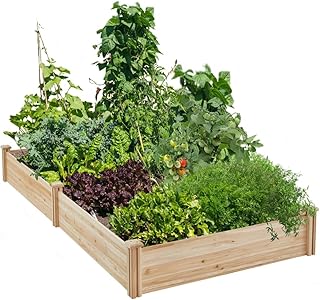 |
Product B0762LWK4W | — | 4.5 out of 5 stars |