Tools & gear
How to Choose Biodegradable Seed Starter Trays
A criteria-first guide to biodegradable seed starter trays: material tradeoffs, transplant timing, mold prevention, and two honest product picks for home gardeners.
On this page
- What “Biodegradable” Actually Means Here rn
- Five Criteria Before You Buy Anything rn
- Material Tradeoffs (Honest Version) rn
- Field Notes From a Spring Start Bench rn
- When Biodegradable Trays Are Not Worth It rn
- Step-by-Step: Starting Seeds in Fiber Trays rn
- Two Products That Match Real ASINs rn
- Common Mistakes (and Quick Fixes)
If you start more than a dozen plants indoors each spring, you have probably snapped a root ball while popping a seedling out of a rigid plastic cell. Biodegradable seed starter trays let you plant the whole container, which reduces root disturbance—but only when you match the material to your timeline and watering habits.
This guide is for home gardeners who want to cut disposable plastic without assuming every “eco” tray performs the same. I will walk through selection criteria first, then note where two specific products fit (and where cheaper DIY options work fine).
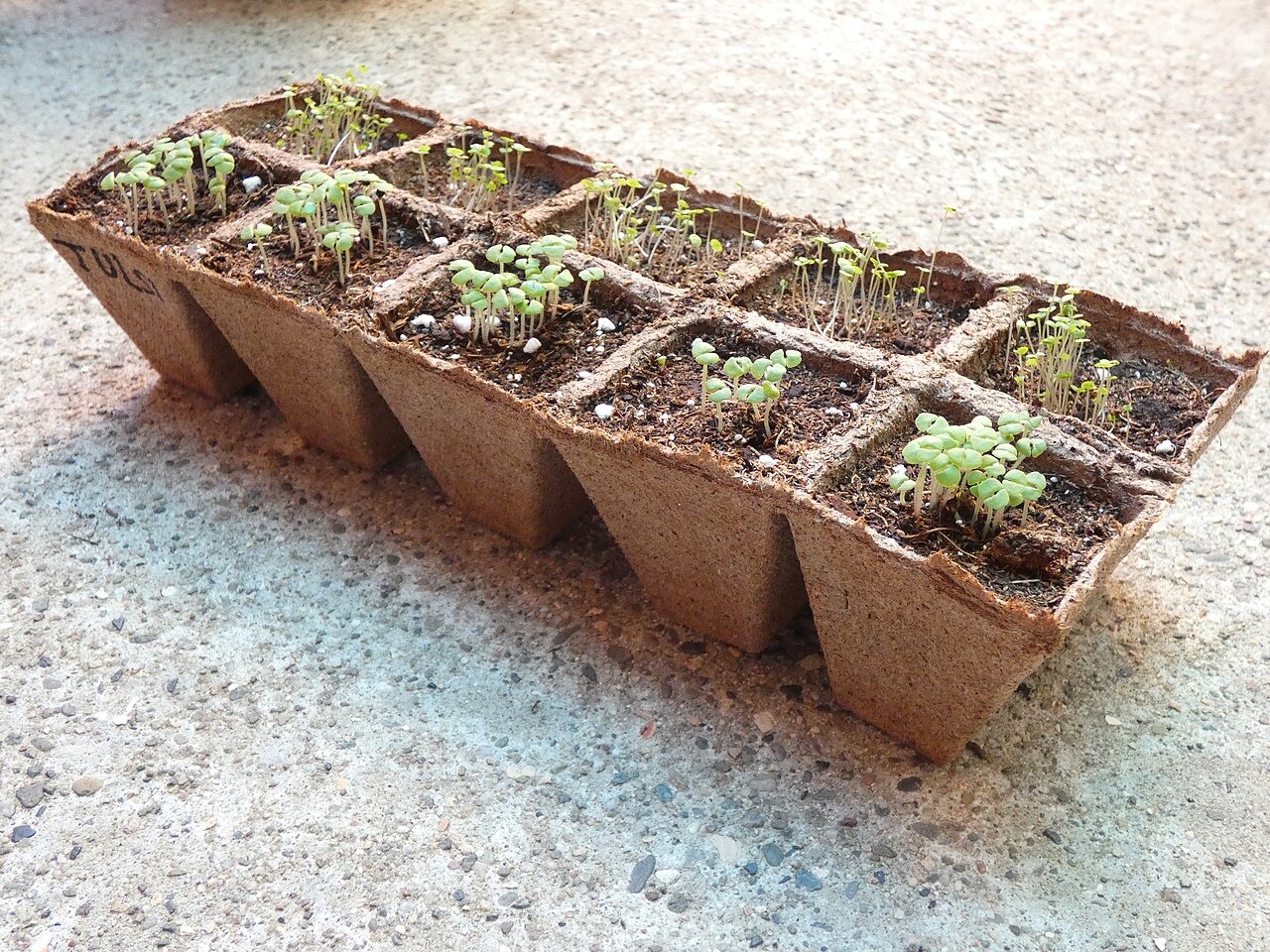
What “Biodegradable” Actually Means Here
Biodegradable seed starter trays are planting cells made from plant-based fibers (wood pulp, recycled paper, coco coir, or peat blends) that soften in moist soil so roots can grow through. They are not the same as “compostable” food packaging; breakdown speed depends on soil temperature, moisture, and wall thickness.
Marketing labels rarely mention that many trays still contain peat. Peat holds moisture well but comes from sensitive bog ecosystems—Cornell Cooperative Extension’s Orleans County office cites research linking peat harvest to released bog carbon, and rates coco coir and rice hulls as genuinely sustainable swaps. That said, coir’s slow decay is exactly why intact pots linger in beds; score the walls at planting regardless of material. If your goal is plastic reduction and peat avoidance, read the ingredient list—not the front-of-box green leaf icon.
Five Criteria Before You Buy Anything
Score any tray against these factors. A product that fails two or more is probably wrong for your setup.
- Indoor hold time. How many weeks will seedlings sit under lights before transplant? Quick greens (3–4 weeks) tolerate thin paper pulp. Tomatoes and peppers (6–8 weeks) need stiffer wood fiber or thicker coir.
- Cell depth. Shallow 1.5-inch cells suit lettuce and basil. Deep-rooted crops want 3-inch individual pots or deep cells; otherwise you transplant twice, which defeats the purpose.
- Watering method. Fiber trays wick aggressively. Bottom-watering in a solid tray is almost mandatory. Top-spraying daily invites surface mold.
- Air-pruning gap. Leave roughly ½ inch between pots so roots do not grow from one cell into the next. Tight packs fuse trays together by week five.
- Plant-out prep. Even “plant whole pot” trays need the rim torn off and side slits if walls are still stiff at transplant. Coir in particular can persist months if buried intact.
Timing is the criterion gardeners skip most. Cornell horticulture chair Steve Reiners calls starting transplants too early one of the biggest seed-starting mistakes—heat lovers like squash, melons, and gourds need only about three weeks of head start indoors. Work backward from your last frost date before ordering trays at all; a paper-pulp strip that collapses in week four is a feature for three-week crops and a flaw for eight-week tomatoes.
Material Tradeoffs (Honest Version)
| Material | Typical indoor life | Soil breakdown | Main limitation |
|---|---|---|---|
| Recycled paper pulp | 2–4 weeks | Fast (2–3 weeks in warm soil) | Sags when overwatered; poor for long-season crops |
| Wood / spruce fiber | 4–8 weeks | Moderate (3–6 weeks) | Costs more per cell than paper; may still include peat binder |
| Coco coir | 6–12 weeks | Slow (can exceed 8 weeks) | Lignin resists decay—score walls before planting |
| Peat blends | 4–6 weeks | Moderate | Environmental cost of peat harvest; lowers local pH slightly as it decays |
Advertisement
Field Notes From a Spring Start Bench
Last March I ran side-by-side trays on a 4-foot wire shelf: 24 tomato cells in 3-inch fiber pots and 48 lettuce cells in pressed-paper strips. Both sat 14 inches under LED shop lights on a 16-hour timer, bottom-watered every other day from a 10×20-inch leakproof tray.
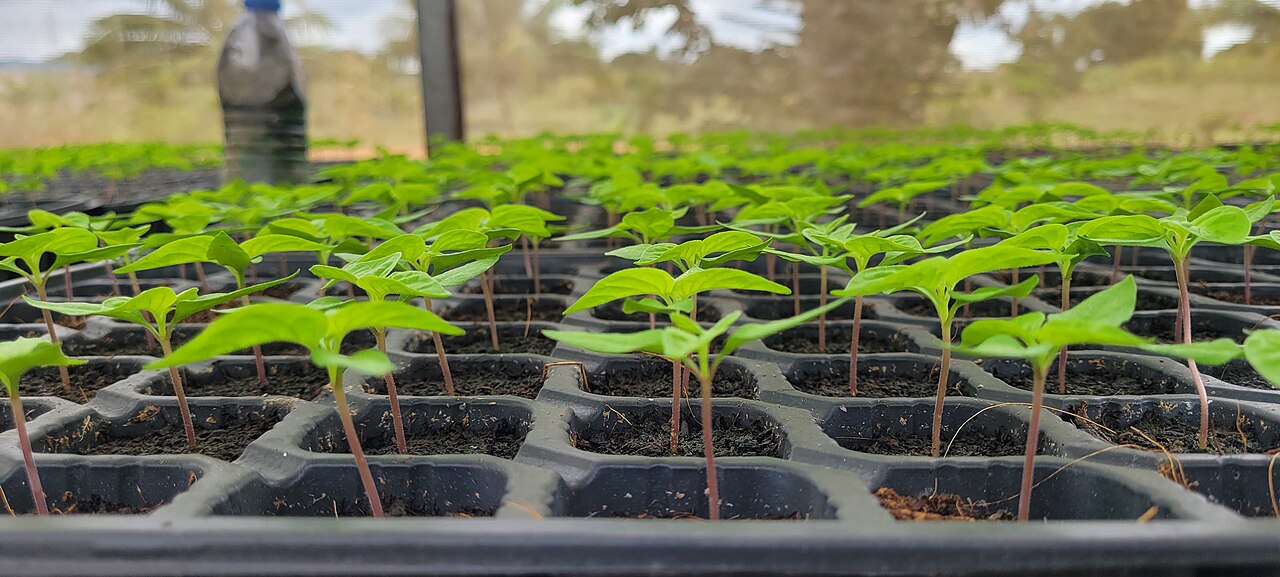
What we measured
Reconstructed from my bench notebook, here is how each material actually held up under identical light and watering:
| Tray type (crop) | Cells started | Condition at week 3 | Outcome |
|---|---|---|---|
| Pressed-paper strips (lettuce) | 48 | Soft enough that lifting one tray flexed the whole strip | Moved on a rigid board; transplanted on schedule by week 4 |
| 3-inch fiber pots (tomato) | 24 | Walls rigid; no sagging under daily bottom-watering | Held structure through the full indoor stretch |
| Coir pots (prior-season burial test) | 2 | — | Still visibly intact six weeks after planting out; shreds pulled out by hand |
Author’s own records; personal garden observation, not a controlled trial.
The tomatoes were fine, but those two coir pots from a prior season test were still visibly intact six weeks after I buried them in a raised bed—that is when I started scoring coir and thick fiber walls with a utility knife at transplant, regardless of what the package claims.
Surface mold showed up on the paper strips during a humid spell (outside dew point in the high 60s°F with the heat mat still on). A $12 clip-on fan set on low cleared it within four days without any fungicide. The lesson: biodegradable trays need the same airflow discipline as any seed bench, maybe more.
When Biodegradable Trays Are Not Worth It
- You start seeds once a year in volume. Reusable plastic 72-cell flats amortize over many seasons. Wash with a 1:9 bleach rinse, air-dry, and store flat.
- You use capillary mat watering. Soft fiber bottoms can disintegrate against constantly wet mats.
- Your timeline exceeds eight weeks indoors. Pot up into larger containers instead of fighting collapsing walls.
- You only need six plants. Plain cardboard egg cartons (uncoated, drainage hole poked) work for herbs and greens. Save purchased trays for crops where transplant shock actually costs you time.
Step-by-Step: Starting Seeds in Fiber Trays
- Pre-moisten mix. In a bucket, stir seed-starting mix with warm water until it clumps like a wrung-out sponge—roughly 1 cup water per 4 cups dry mix, adjusted for peat content. A standard sterile soilless mix is fine here; special finer seedling mixes only earn their price for extremely small seeds. Some gardeners blend finished screened compost at about one part compost to two parts soilless media.
- Fill and firm lightly. Pack cells to ¼ inch below the rim. Do not compress paper cells as hard as plastic; they tear when tamped.
- Sow and label. Two seeds per cell for tomatoes (thin later); one for large seeds like squash. Write variety and date on a wooden tag—ink bleeds on fiber.
- Bottom-water only. Pour ½ inch of water into the solid tray, wait 15 minutes, pour off excess. Repeat when the top quarter-inch feels dry.
- Harden off, then plant. Tear the rim flush with soil, slit sides and bottom, bury so the seedling stem base is at grade. Water in with 1 quart per plant for the first three days.
Two Products That Match Real ASINs
We keep affiliate links to two trays we have actually cross-checked against Amazon listings. Names below match those listings. Skip them if your criteria point elsewhere—no tray is universal.
For longer-season crops: individual fiber pots
The Cherry Juilt 50-pack ships as separate 3.15-inch pots rather than a connected tray. That spacing helps air-pruning and makes it easier to remove one plant without disturbing neighbors. Tradeoff: peat and wood-fiber blend (not peat-free), and you supply your own carrying tray for bottom-watering.

Best when you need 4–6 weeks indoors for tomatoes, peppers, or eggplant. Pair with a rigid 10×20 flat for watering.
For mass starts: connected cell trays
The FlamingoCasa 240-cell kit (sold as a 20-pack of 12-cell trays) suits lettuce, brassicas, and flowers you will transplant young. Cells are shallow—about 2 inches—so plan to move or plant by week four. Advantage: low cost per seedling if you start dozens of plants.
Economical for quick crops. Not ideal for deep-rooted seedlings that need more than a month indoors.
Common Mistakes (and Quick Fixes)
- Exposed rim after transplant. Tears off moisture from roots. Bury rim or remove it.
- Overwatering paper trays. Cells collapse. Water less often; improve drainage holes in the carrying tray.
- Skipping hardening off. Fiber does not protect tender leaves from sunburn. Give 5–7 days of increasing outdoor time.
- Assuming “biodegradable” means “invisible in soil.” Thick walls persist. Slit them.
Sources & further reading
- Cornell University CALS, Horticulture Section — “Starting Plants Indoors.” cals.cornell.edu
- University of Maryland Extension — “Containers and Potting Soil for Indoor Seed Starting.” extension.umd.edu
- Cornell Cooperative Extension, Orleans County — “Peat Moss and Sustainability.” cce.cornell.edu
- Penn State Extension — “Potting Media and Plant Propagation.” extension.psu.edu
Sources verified August 2026.
Frequently Asked Questions
Should I peel biodegradable pots off before transplanting?
Usually no. Tear off any rim above the soil line and slit stiff bottoms and sides so roots are not trapped behind intact fiber.
Are peat-based biodegradable trays bad for the environment?
Peat harvest damages carbon-storing bogs. Many trays blend peat with wood fiber. For peat-free starts, choose labeled spruce or cellulose trays, or use egg cartons for small batches.
How long can seedlings stay in biodegradable trays indoors?
Paper pulp: about three to four weeks. Wood fiber: up to six to eight weeks. Coir: longest indoors, but slowest to decay in soil—plan to score walls at planting.
Why do my fiber trays grow white fuzz on top?
Harmless fungi on wet organic matter. Bottom-water, add airflow, and ease off the heat mat once seeds germinate.
When is plastic still the better choice?
When you start seeds annually at scale, need rigid flats for automation, or keep seedlings indoors more than two months. Reusable plastic wins on cost per use.
Product Summary
| Pick | Product | Best for | |
|---|---|---|---|
| Longer season | |
Cherry Juilt 50Pcs 3.15 inch Peat Pots Seed Starter Trays | Tomatoes, peppers (4–6 weeks indoors) |
| Mass starts | |
240 Cells Seed Starter Tray: Biodegradable Peat Pots – 20 Pack | Lettuce, brassicas (3–4 weeks indoors) |
Advertisement