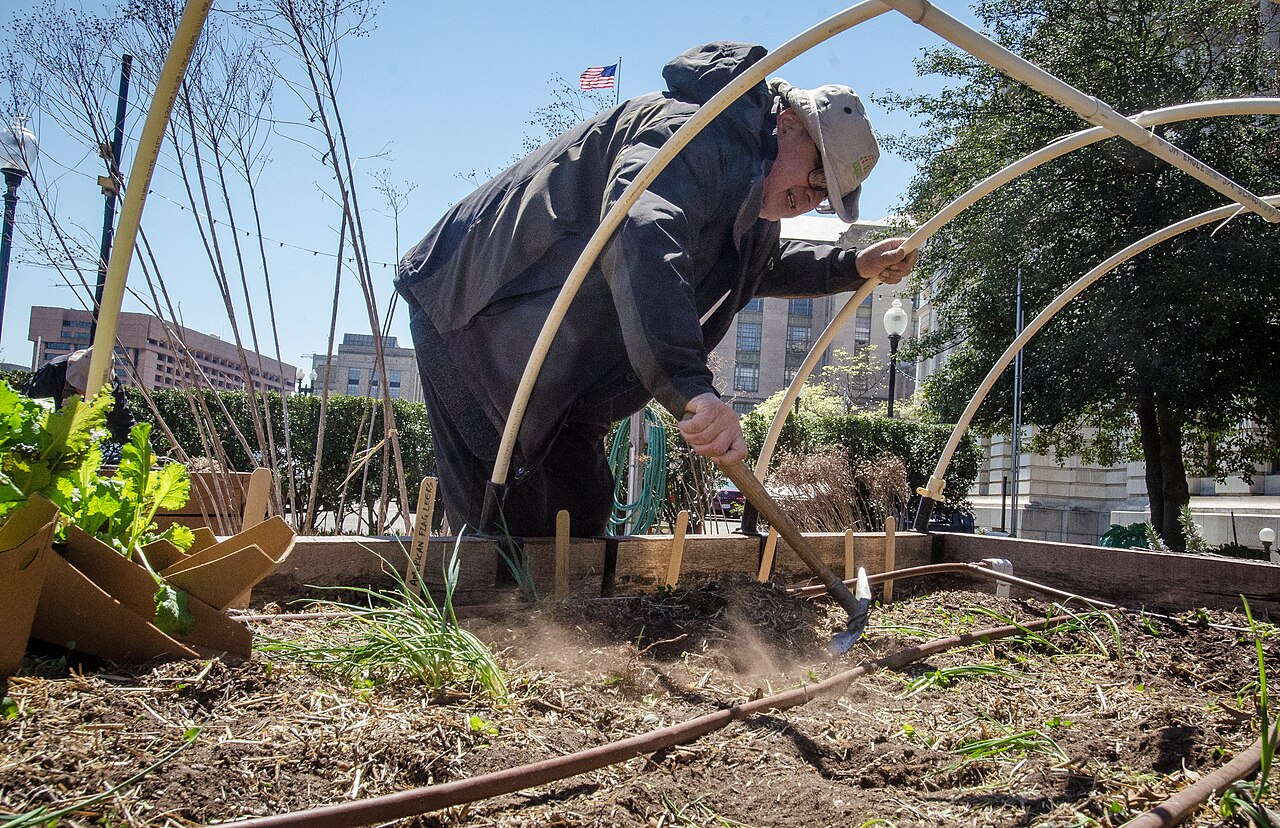
Getting started
How to Start a Sustainable Garden
A practical first-year plan: site mapping, compost, native plants, drip irrigation, and the common beginner mistakes worth skipping.
Read the guide →Earthbloom Garden
Field-tested guides on composting, soil building, and water-wise planting — written by two working gardeners who document pile temperatures, bin sizes, planting timelines, and the mistakes that cost a season.
Map sun and water, build soil without tilling, and plant only what your site can support.
Read the starter guide →Greens-to-browns ratios you can eyeball, plus fixes for piles that go cold, wet, or smelly.
Start a compost pile →Hydrozones, establishment schedules, and plant picks that survive dry summers unattended.
Plan a dry garden →
Getting started
A practical first-year plan: site mapping, compost, native plants, drip irrigation, and the common beginner mistakes worth skipping.
Read the guide →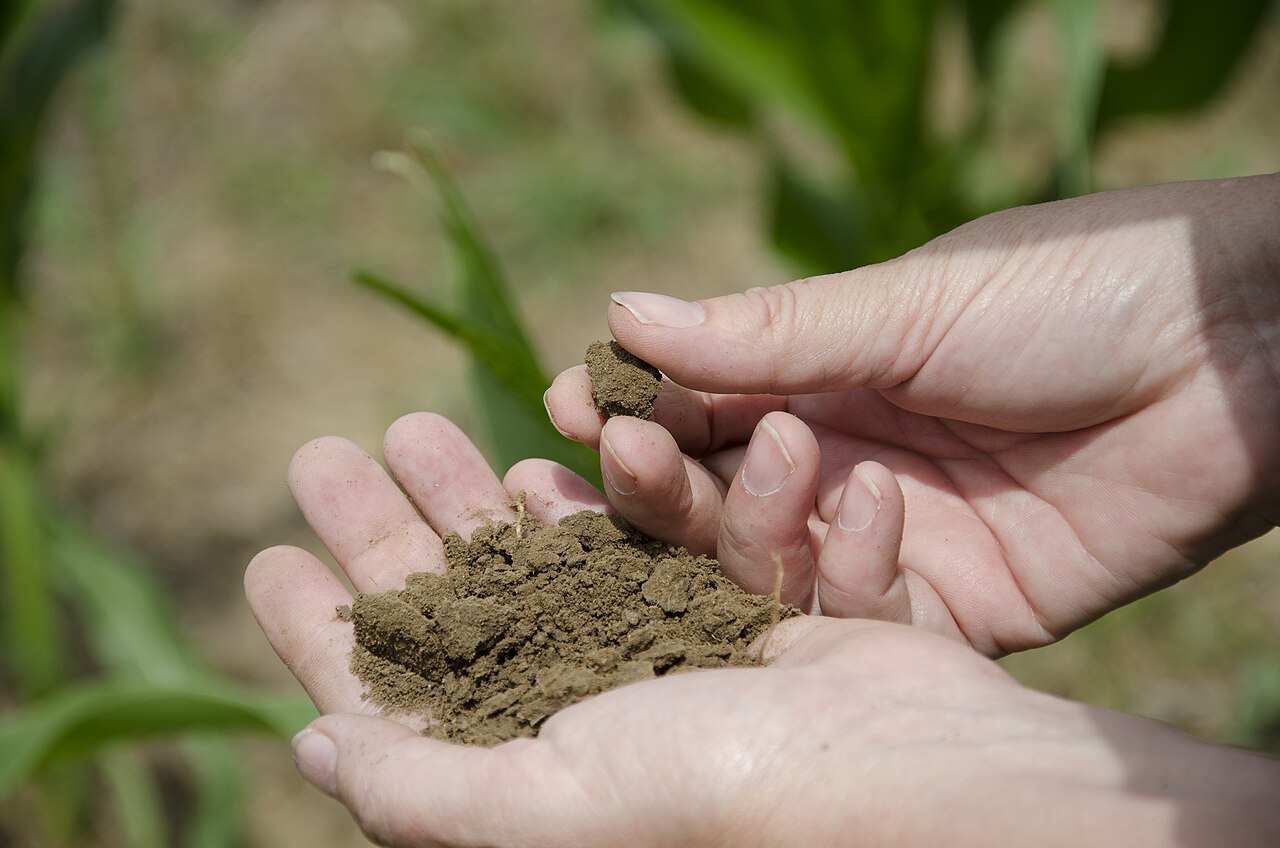
Greens and browns ratios, pile setup, moisture checks, and realistic timelines for finished compost.
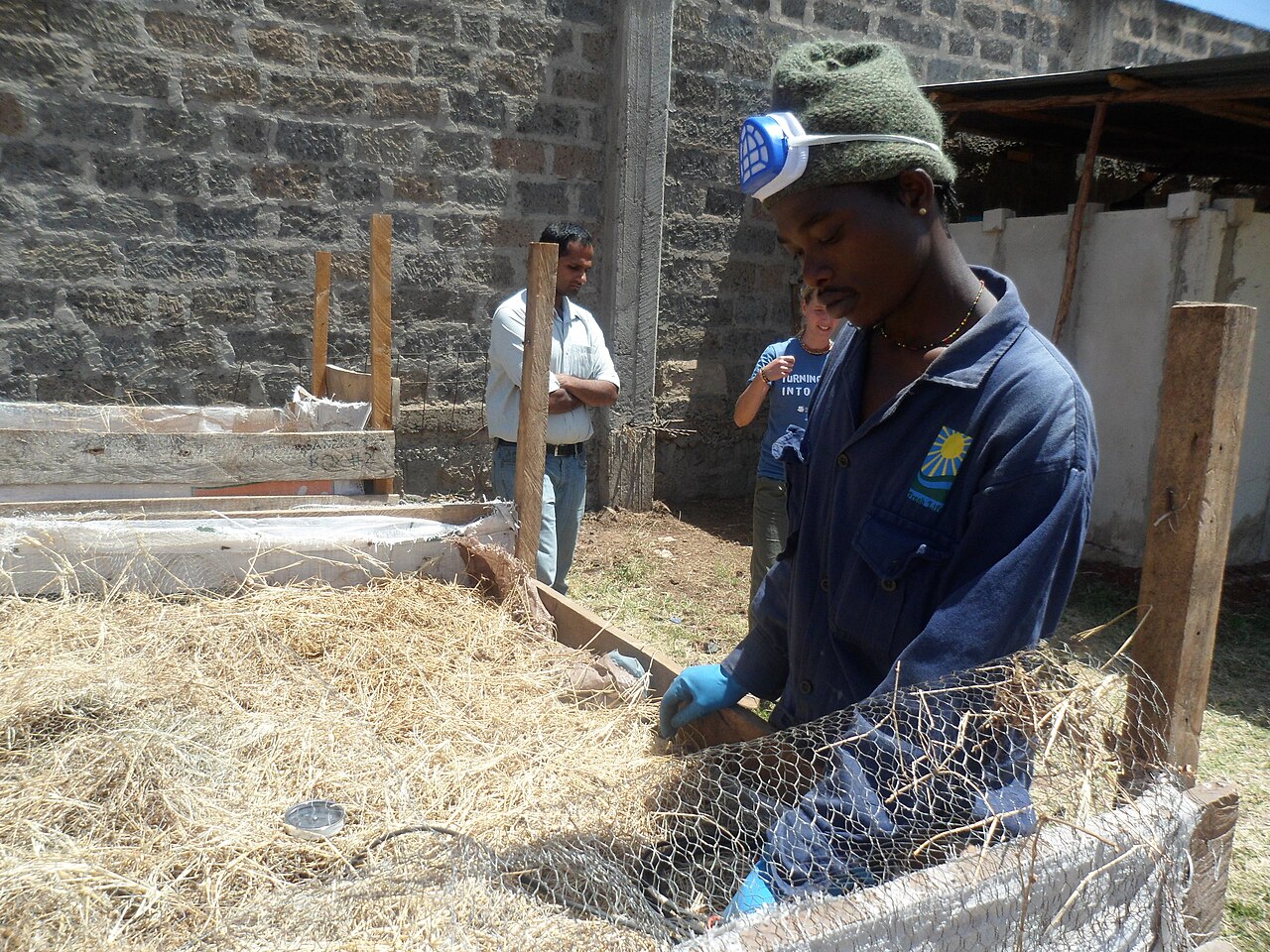
Diagnose odor, slow breakdown, pests, and temperature problems in backyard piles.
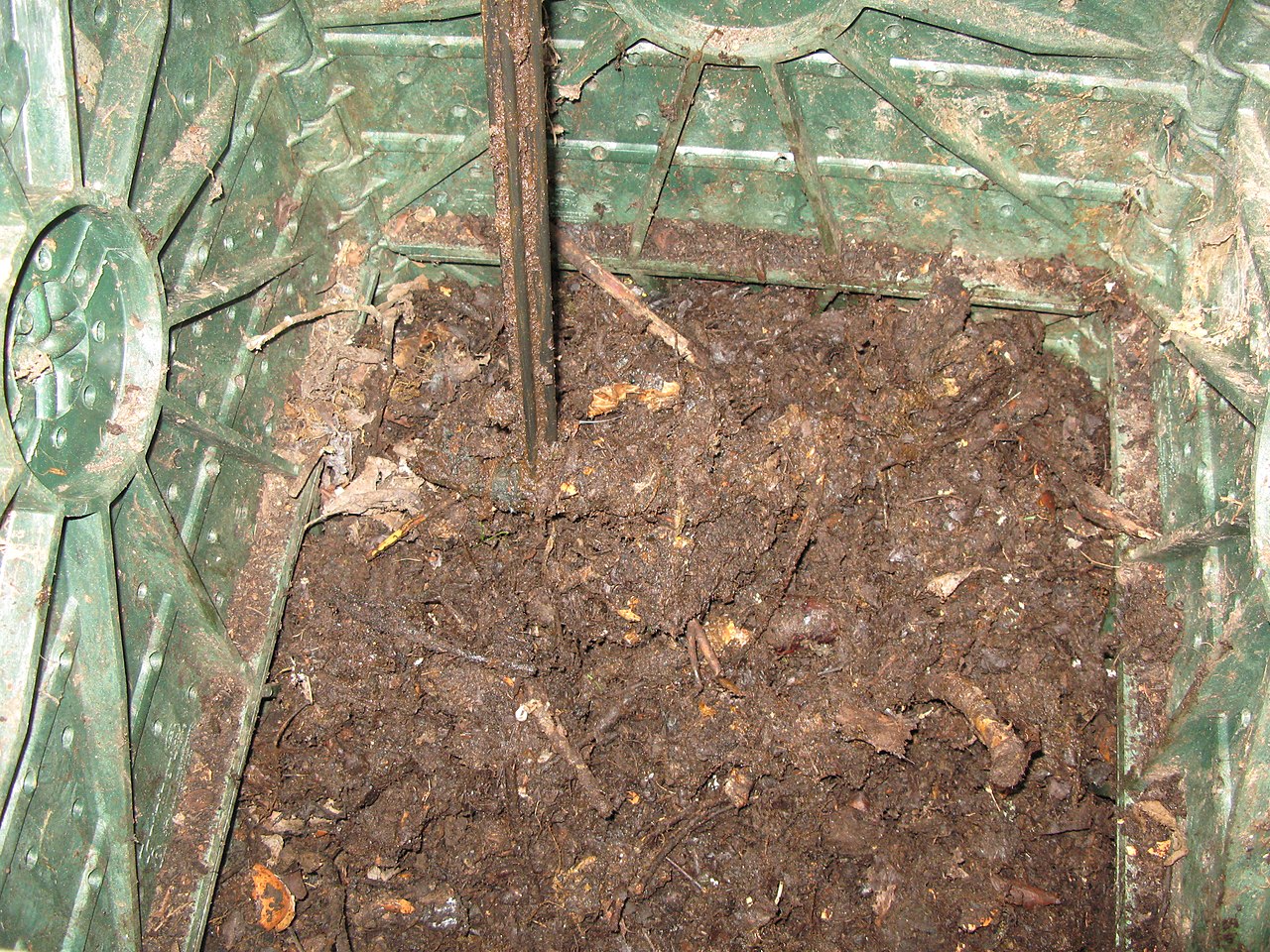
Match the odor to the cause, add browns or air, restore aerobic breakdown in 24–48 hours.
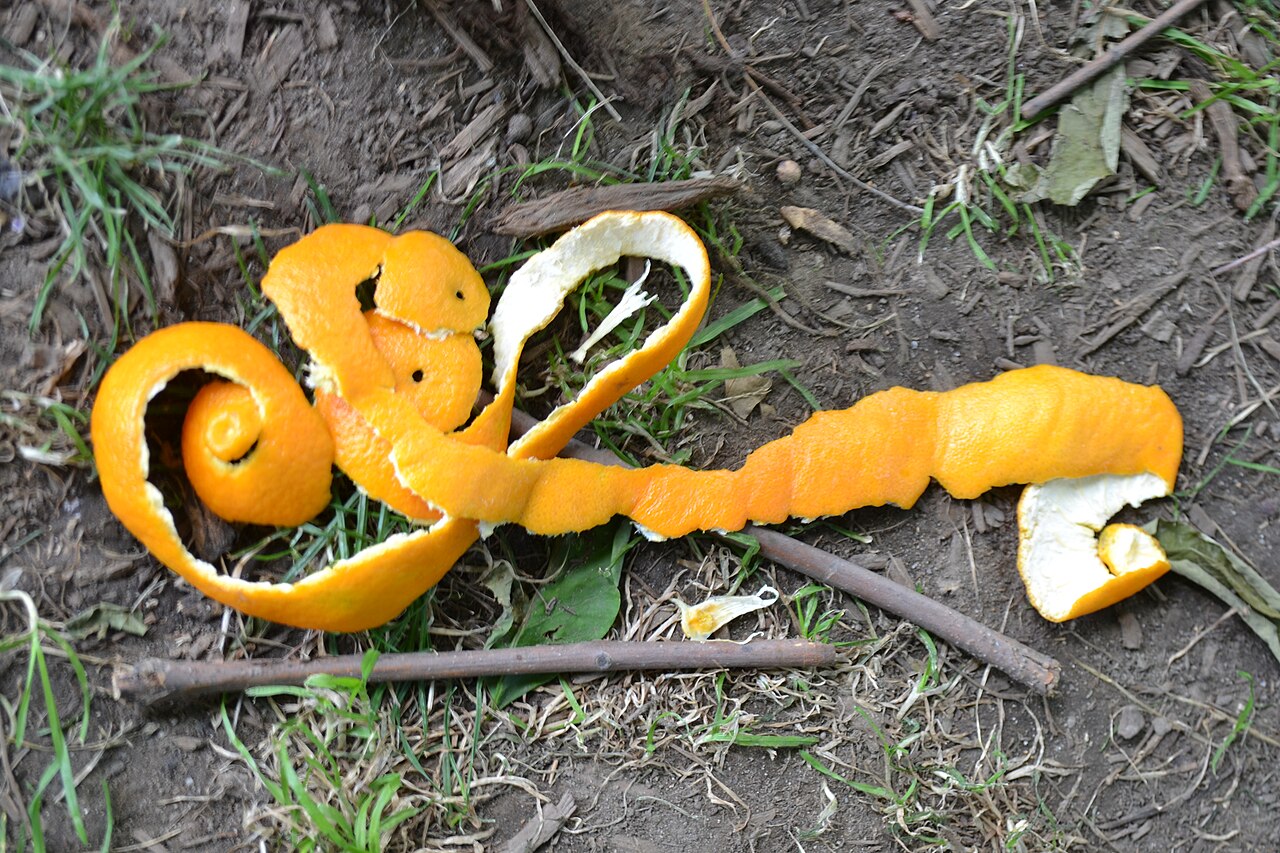
Yes, in moderation. How d-limonene affects breakdown, safe quantities, and chopping tips.
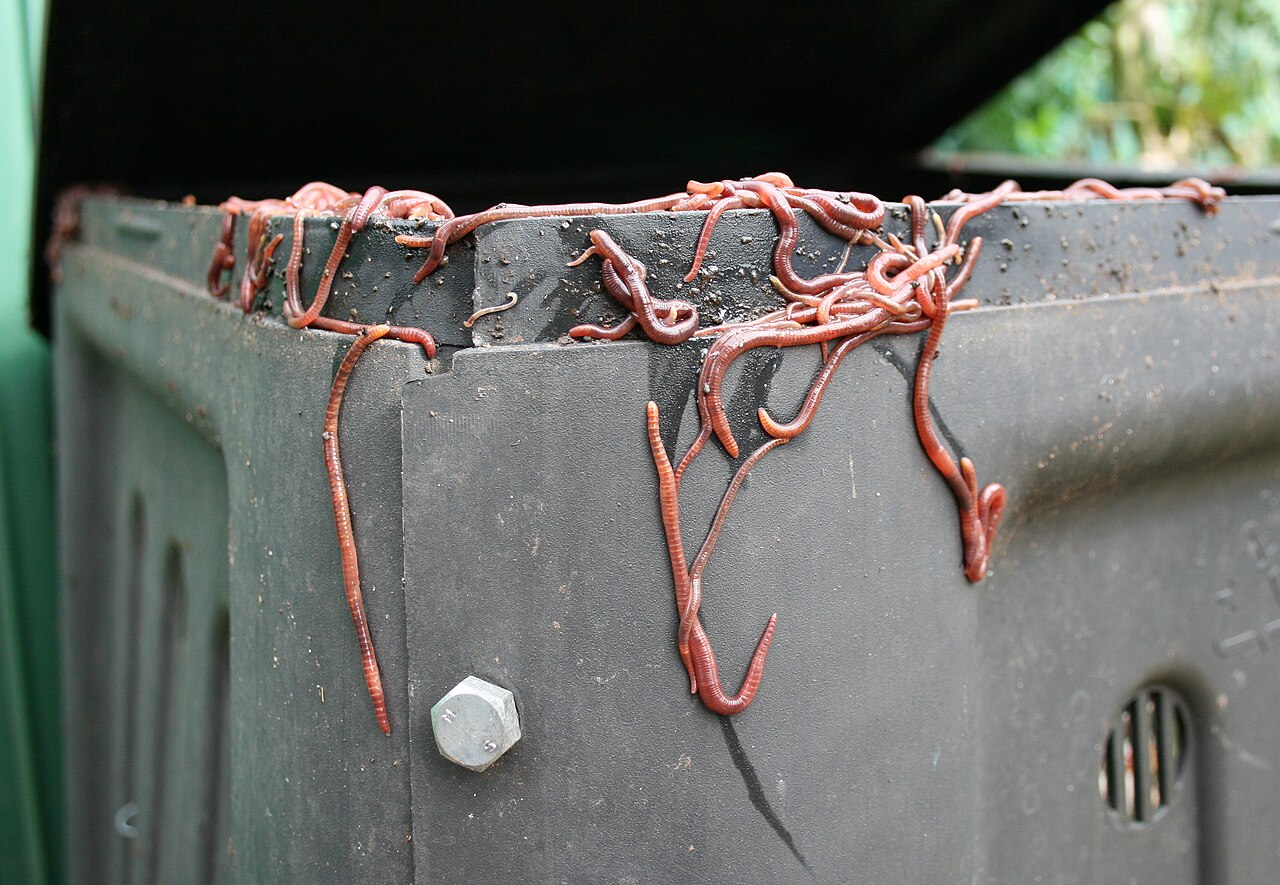
Setup, odors, what you can add, and where the finished product goes for kitchen waste.
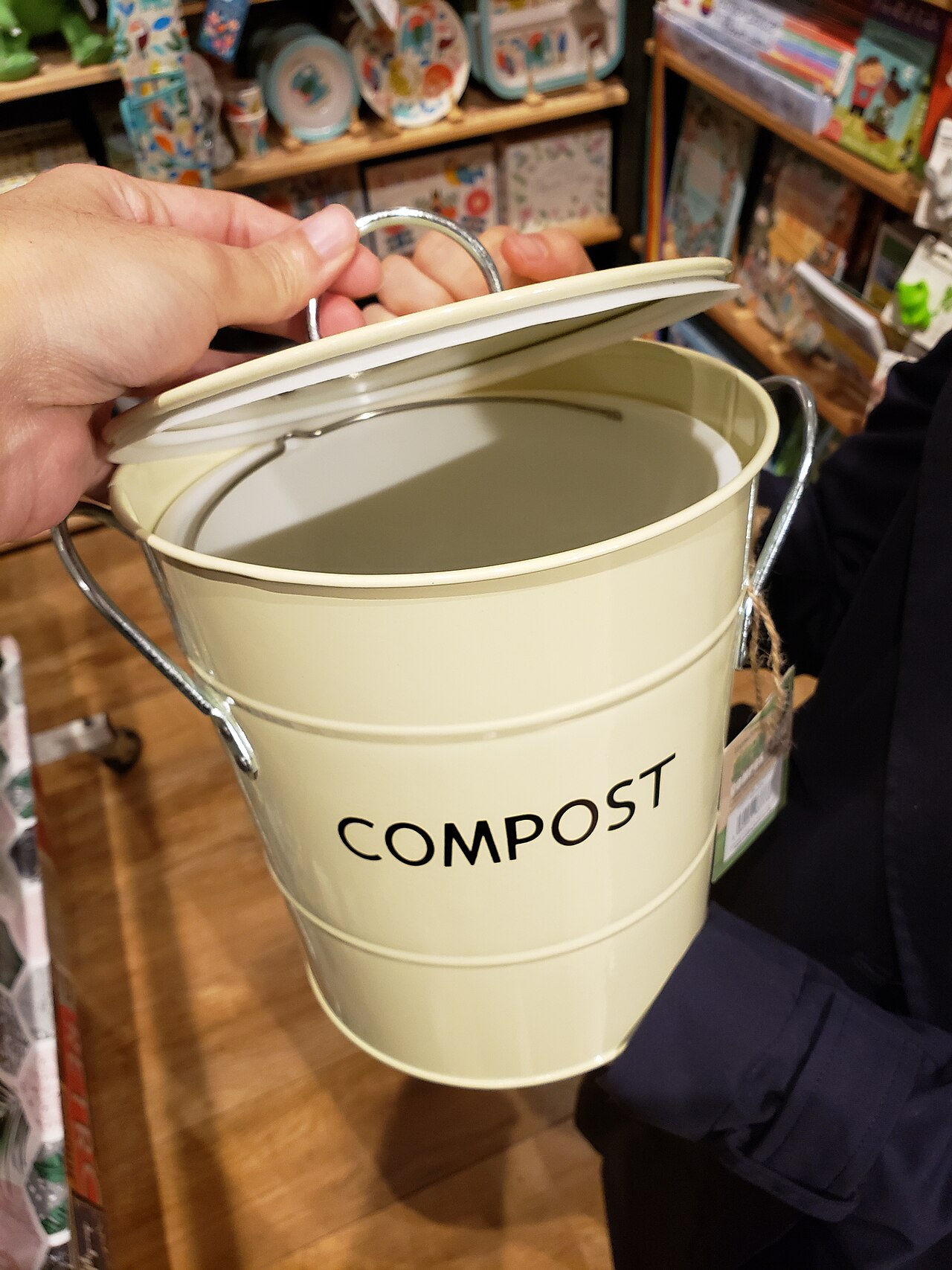
Caddies, bokashi fermenters, worm bins, and dehydrators—with tradeoffs for small kitchens.
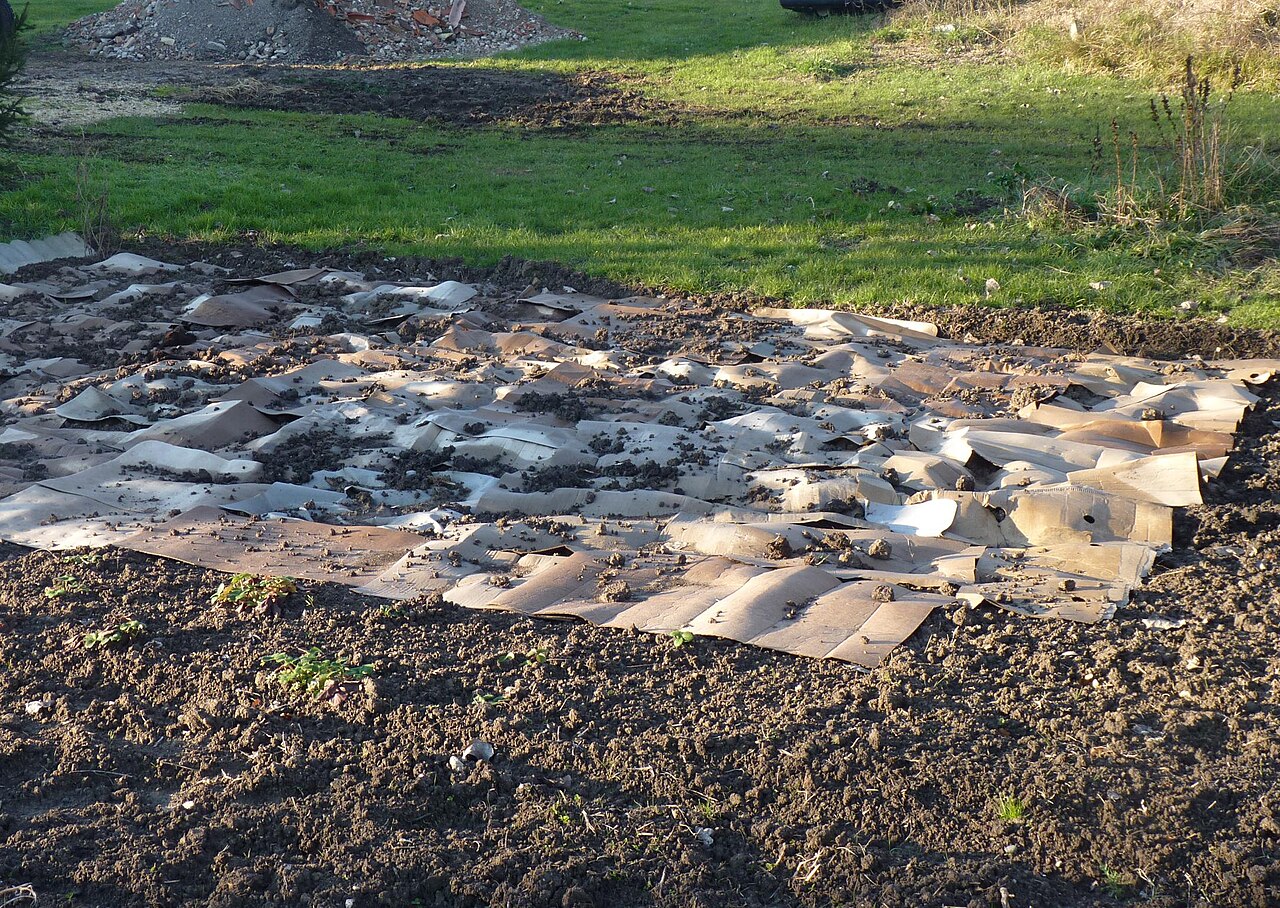
Cardboard base, brown and green layers, watering schedule, and planting timelines.
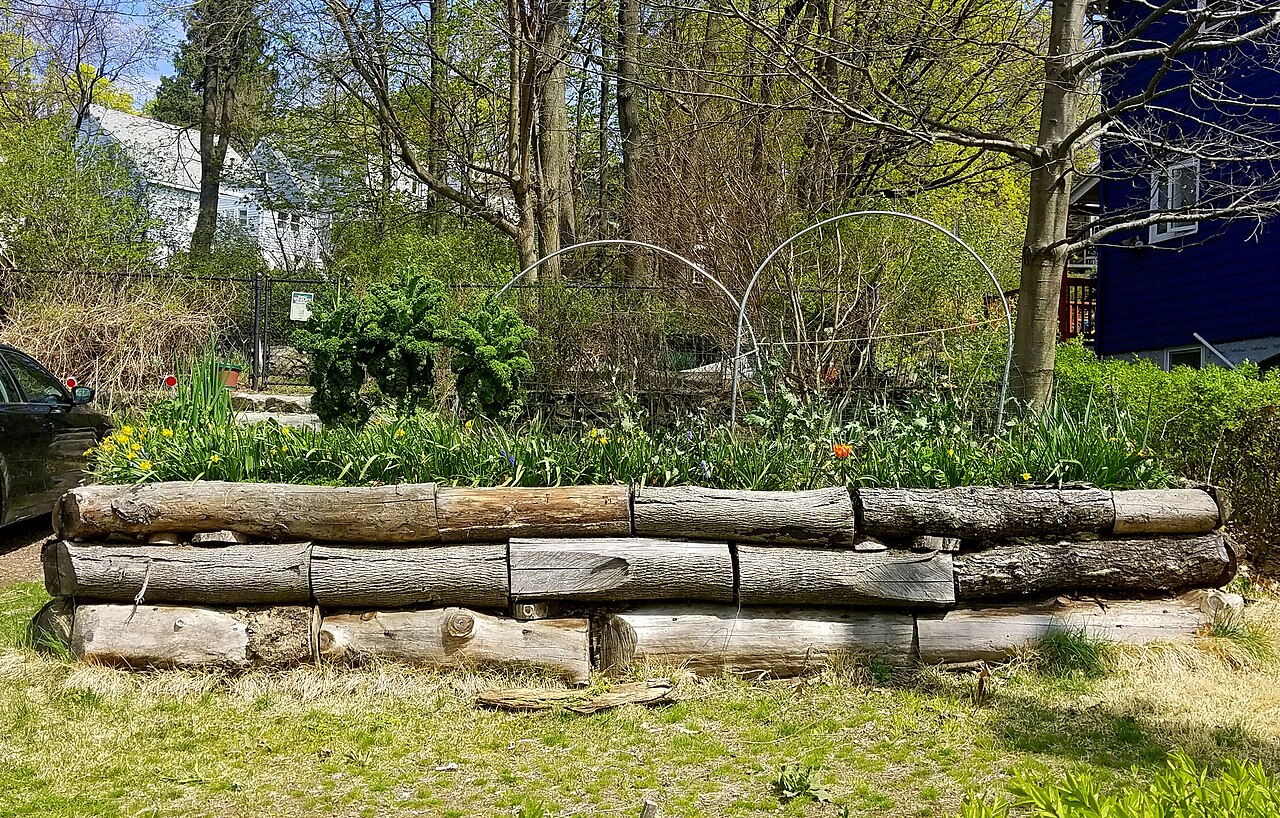
The right wood, layer order, nitrogen balance, and planting timeline for buried-wood beds.
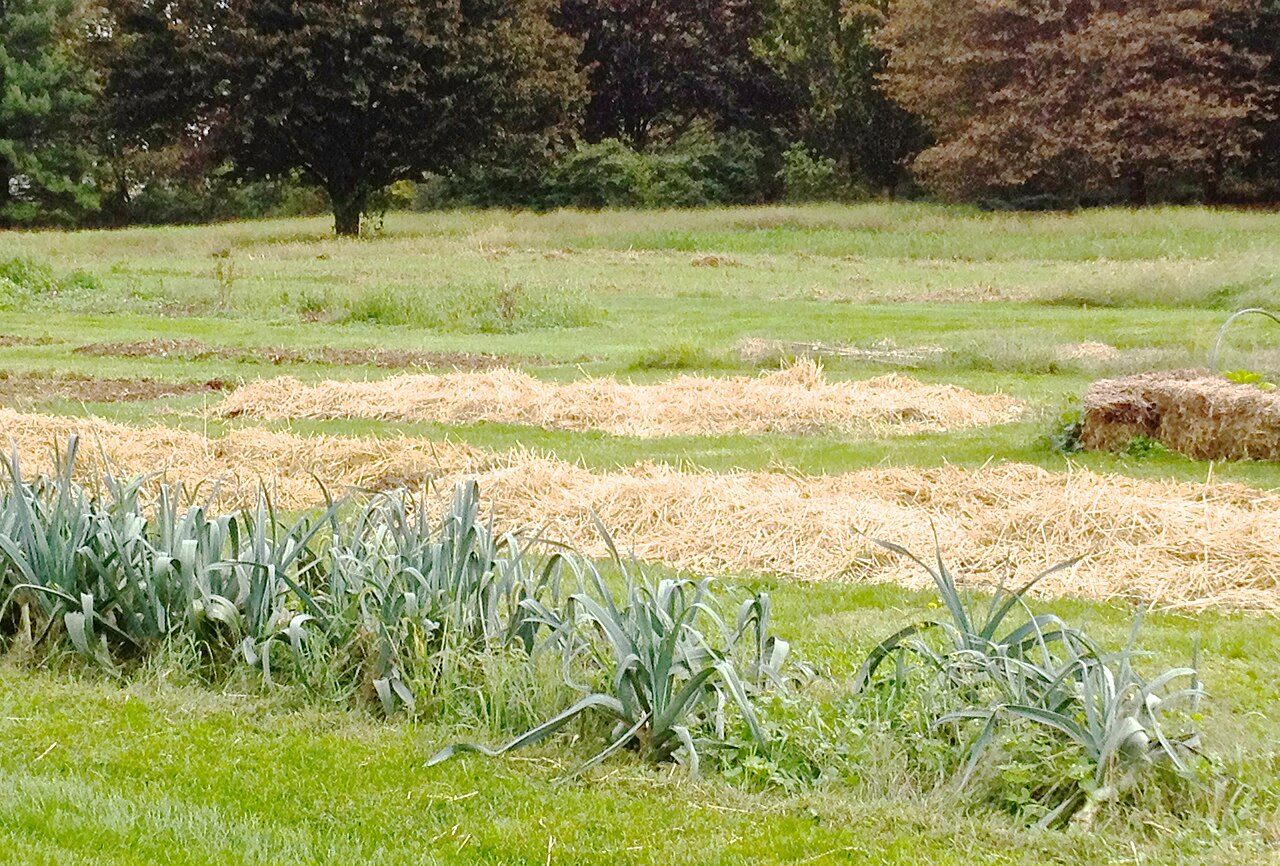
Soil health, weeds, water use, and labor compared—with a step-by-step transition plan.
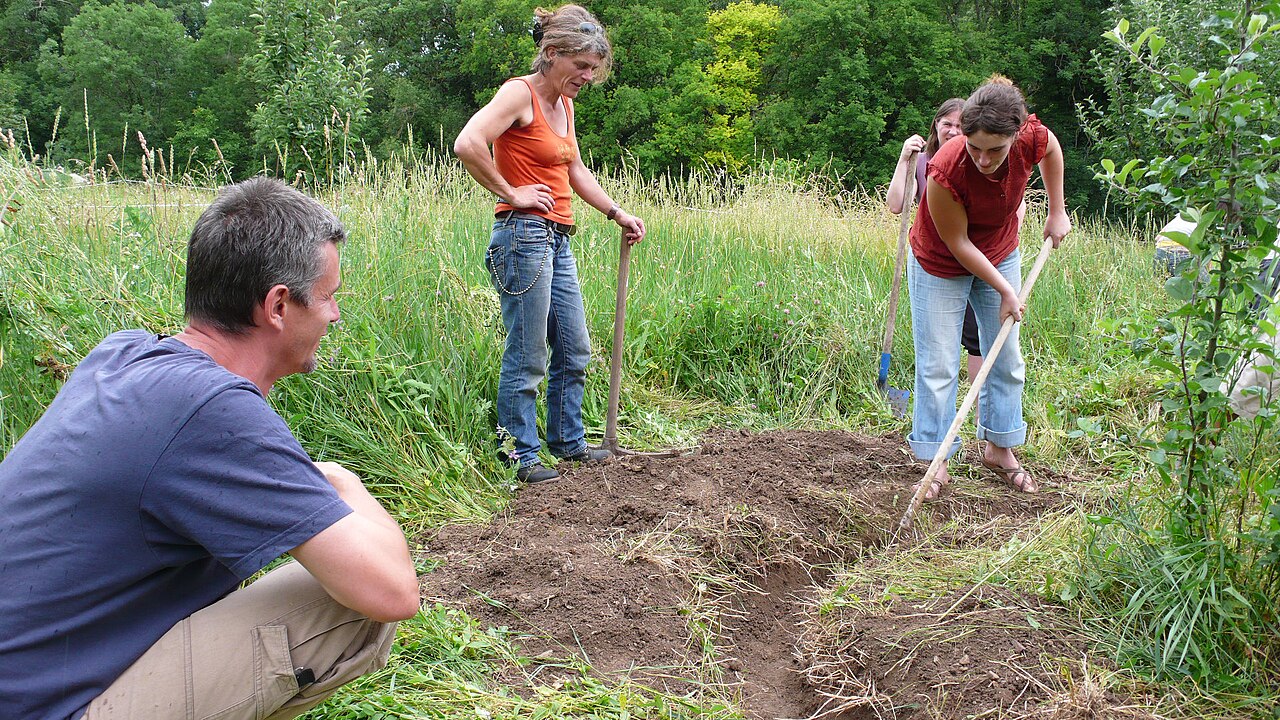
Laundry-to-landscape basics: materials, mulch basins, detergent rules, and legal requirements.
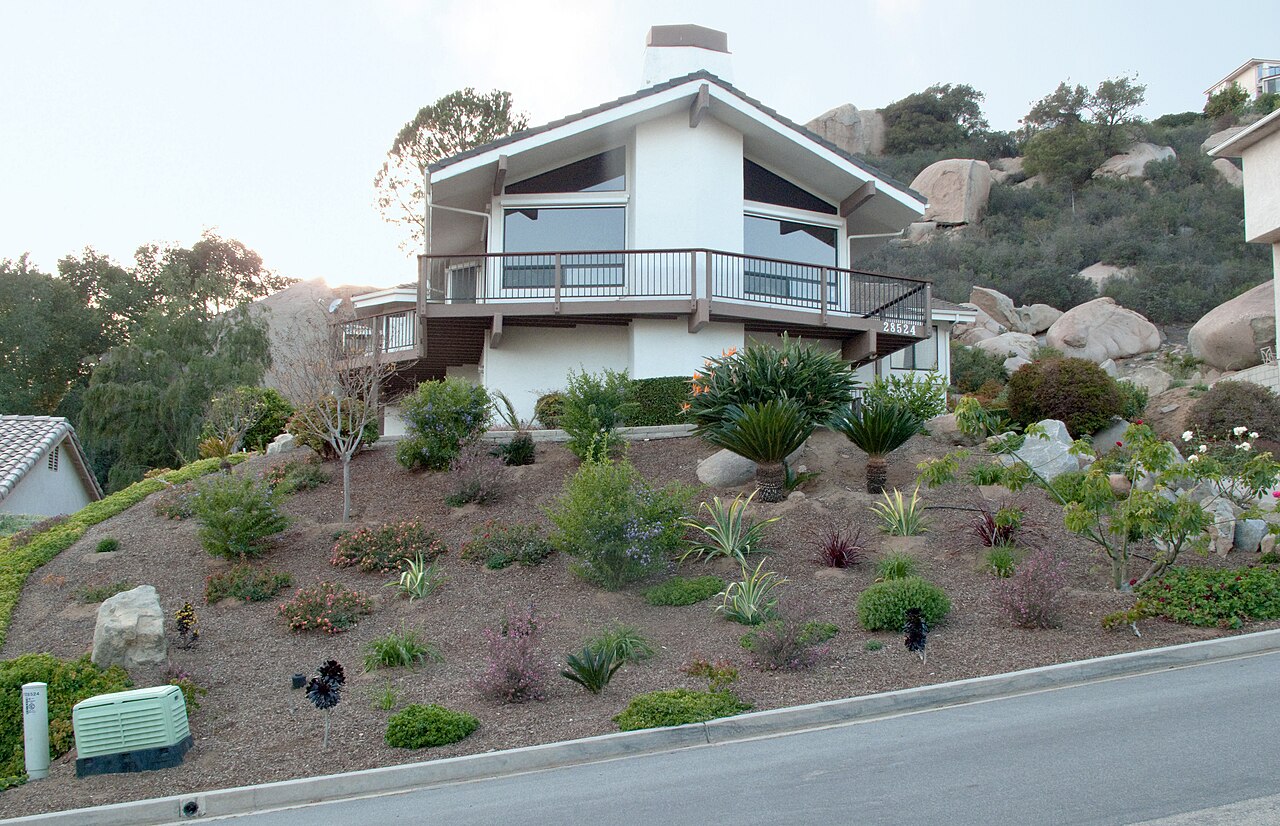
Hydrozones and a 12–24 month establishment schedule that cuts outdoor water use.
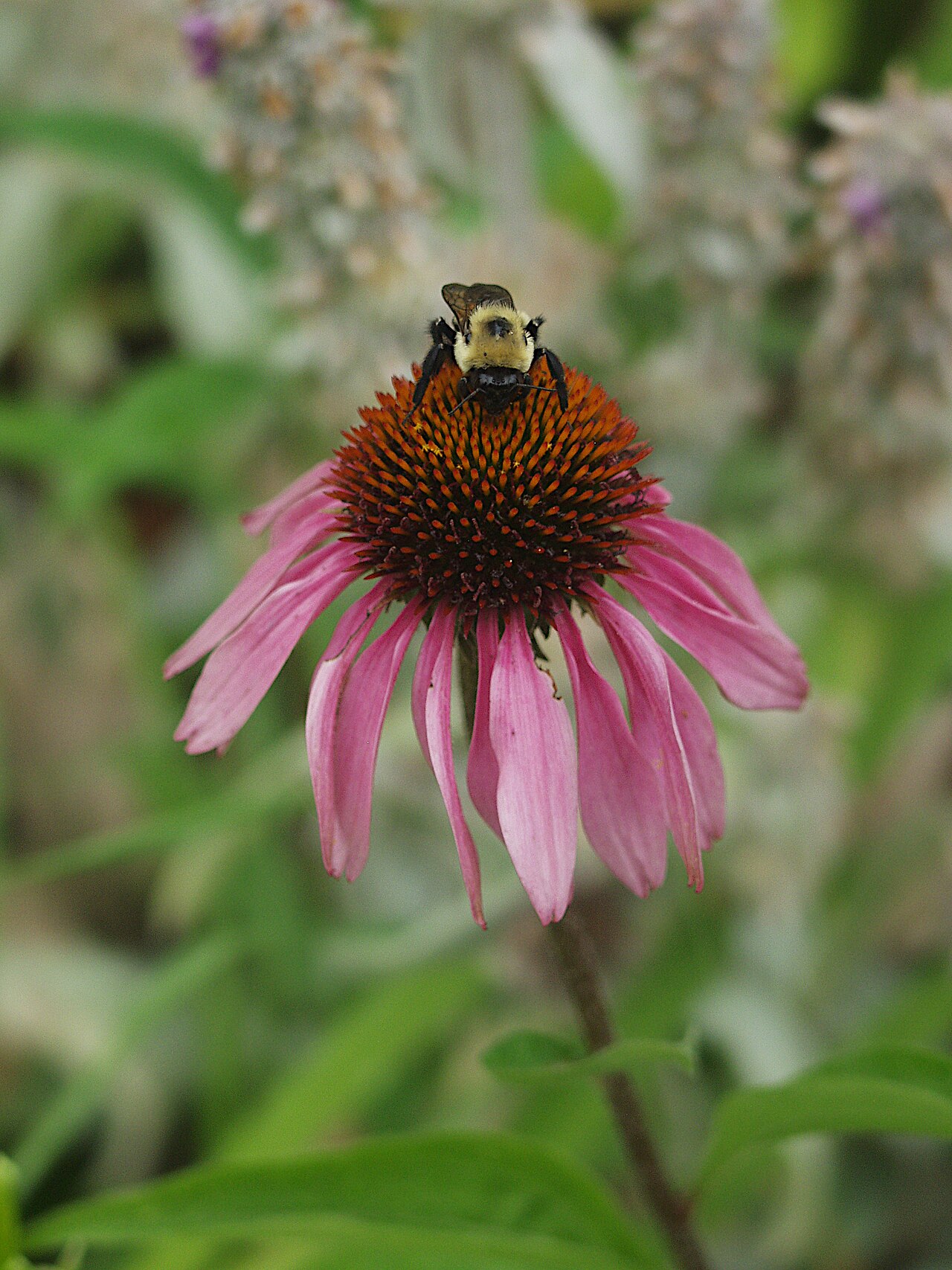
When to choose natives, when adaptive exotics help, and how to support wildlife without fighting your soil.
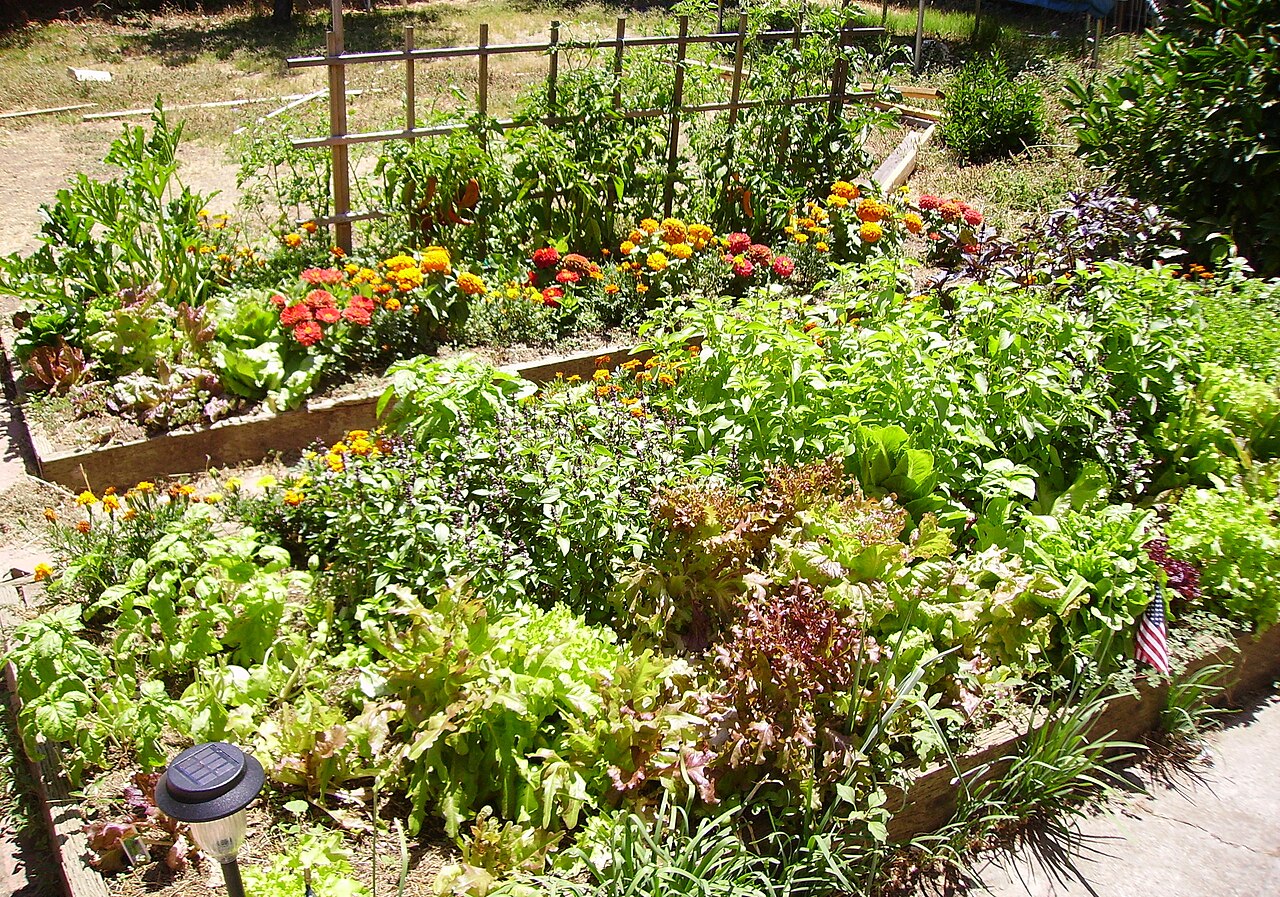
Which pairs to try, spacing tips, regional caveats, and pairings to avoid.
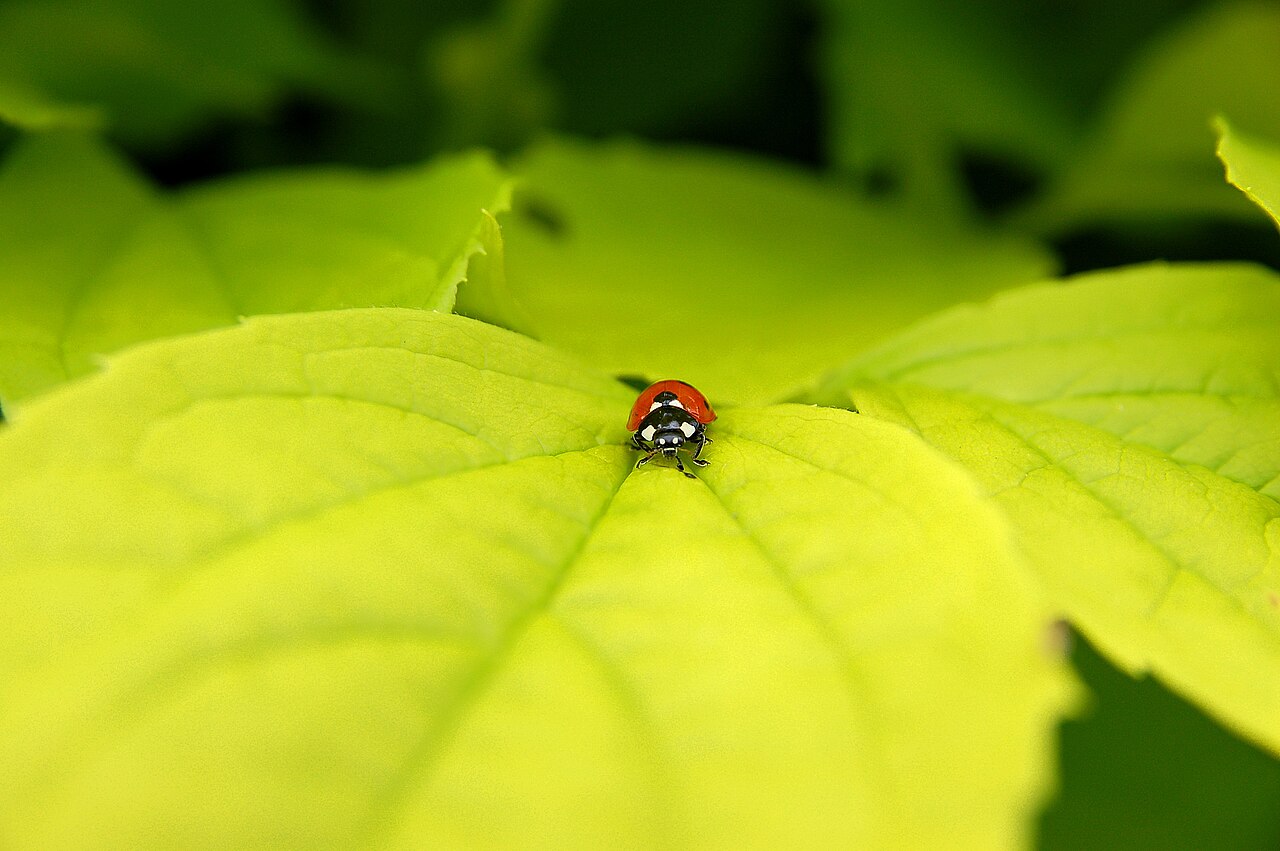
Build habitat for ladybugs, lacewings, and parasitic wasps—no commercial releases needed.

An IPM walkthrough: scouting, barriers, beneficial insects, and when sprays earn their place.
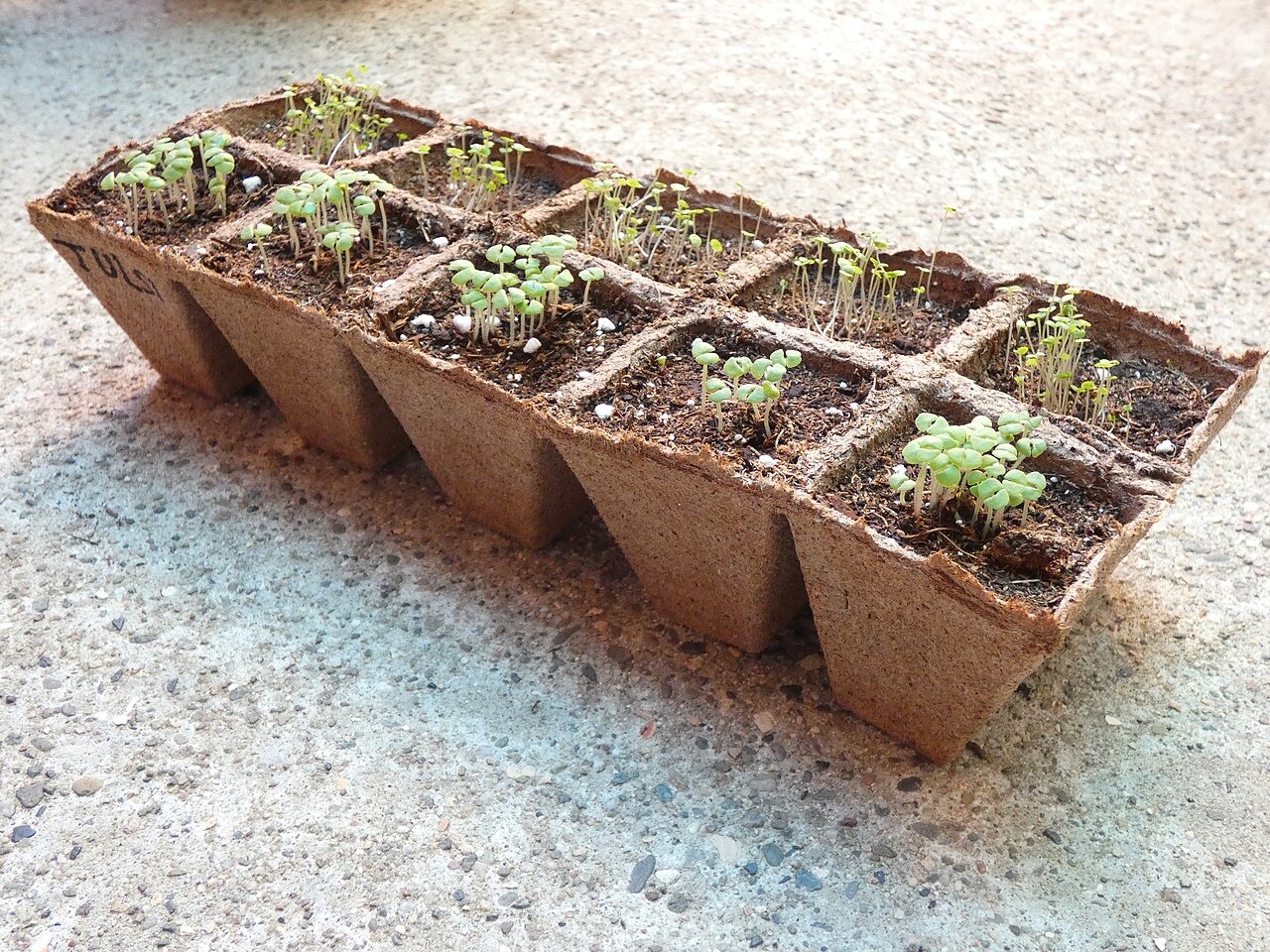
Material tradeoffs, transplant timing, mold prevention, and two honest product picks.
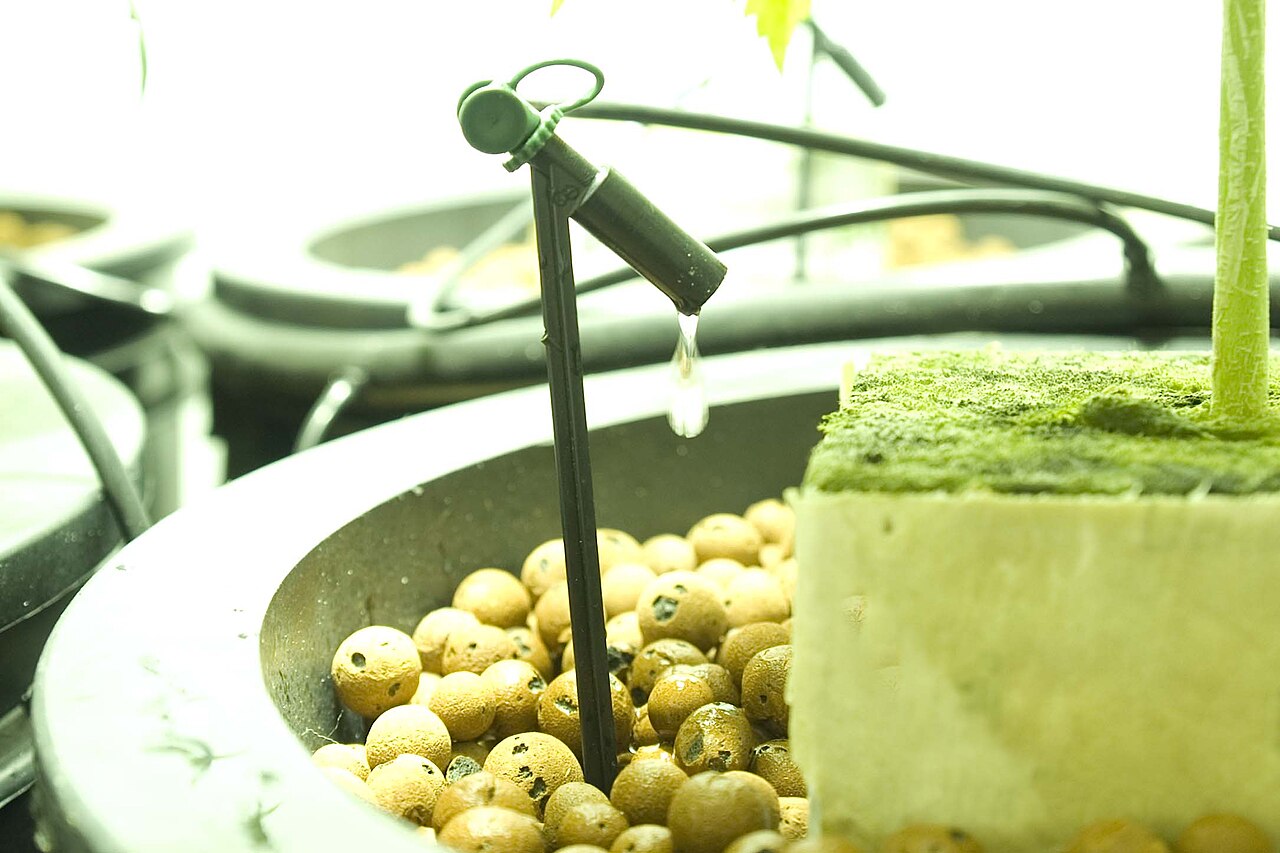
Lift height, battery backup, anti-siphon design, and honest limits before you buy.
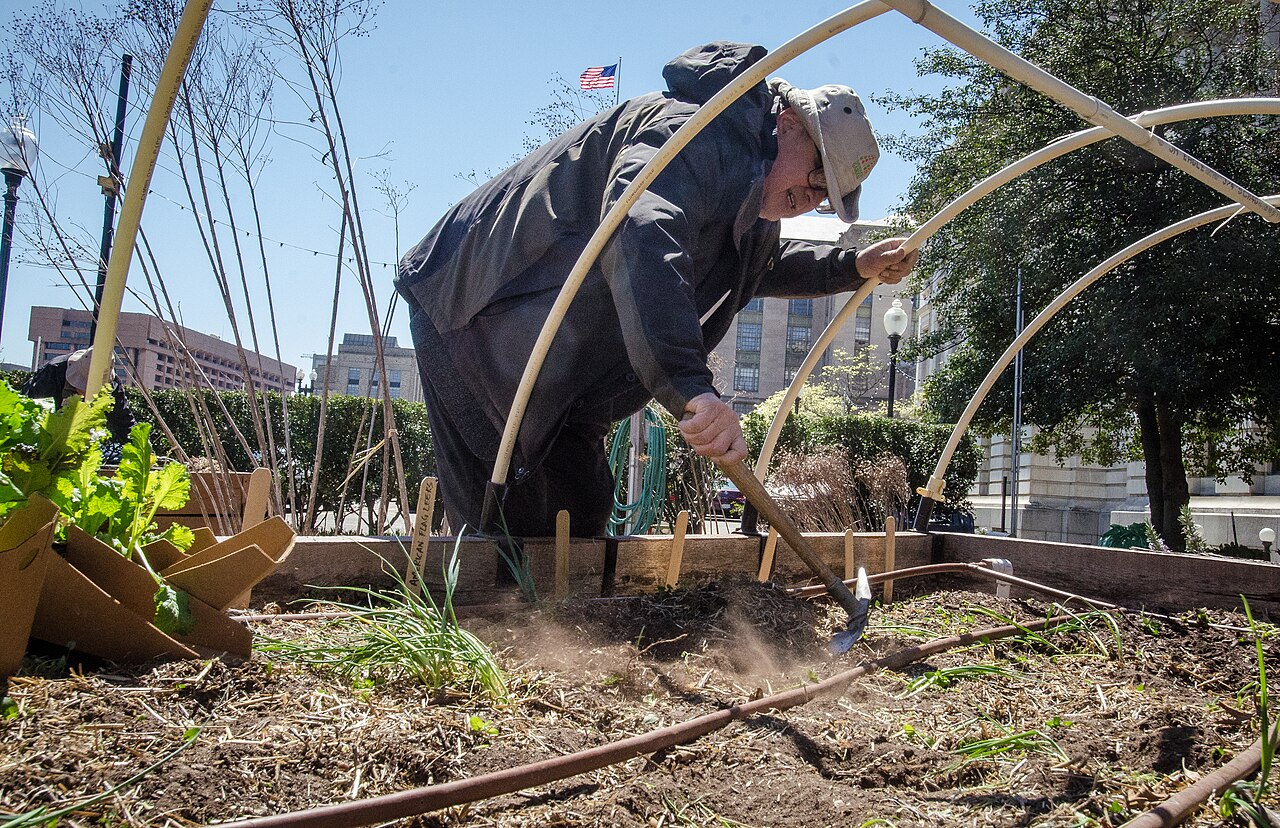
Audit soil health, water use, compost, pests, and biodiversity—season by season.
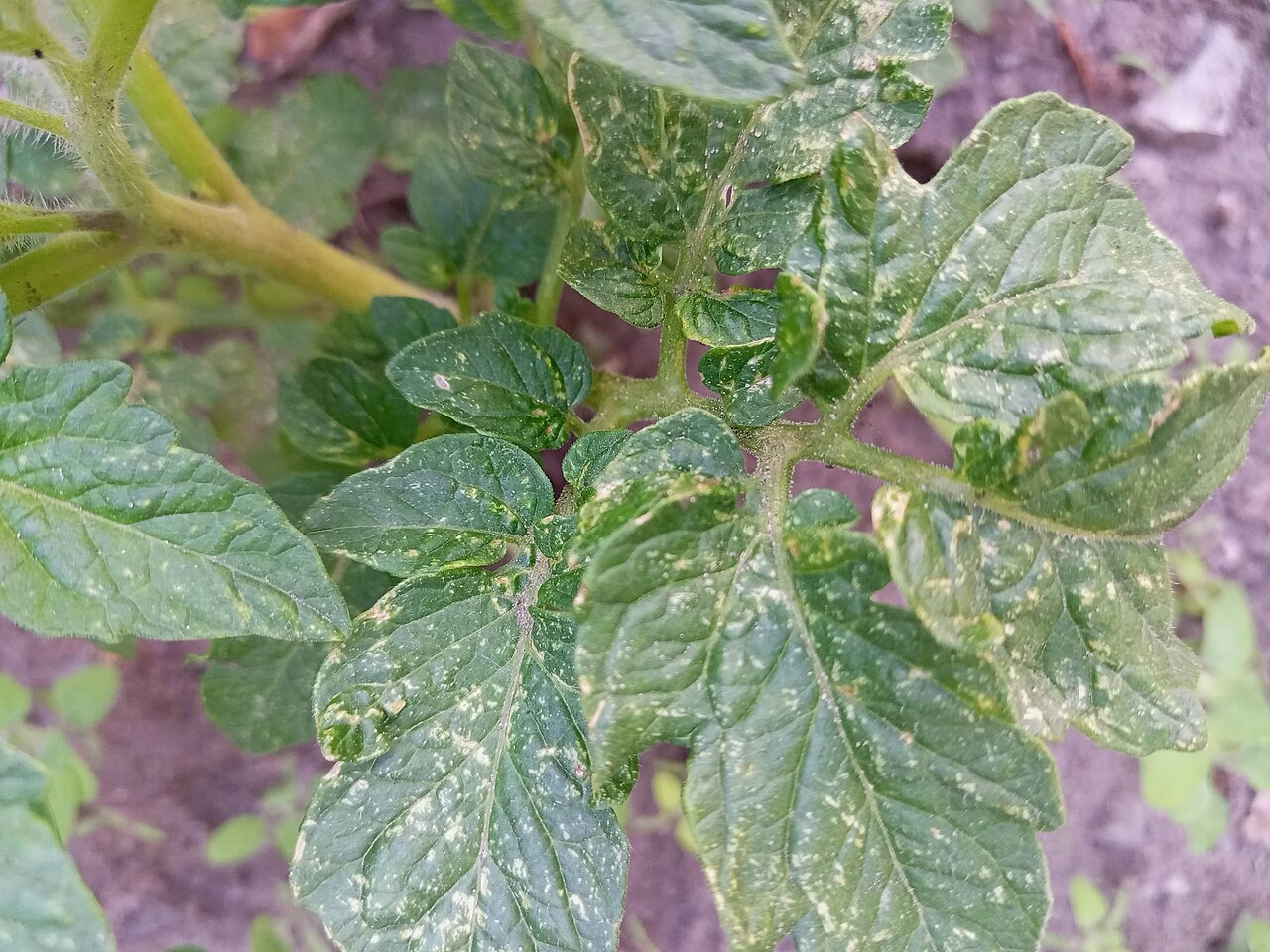
Well-meaning habits that backfire: over-spraying, over-mulching, skipped establishment watering.