Tools & gear
How to Choose a Solar Drip Irrigation Kit
Criteria for solar drip irrigation kits: lift height, battery backup, anti-siphon design, and honest limits. Two verified kit picks for patio and raised-bed gardeners.
On this page
You are leaving town for a week and your patio tomatoes are entering their thirstiest stage. A solar drip irrigation kit can keep containers alive from a rain barrel or 5-gallon bucket—no outdoor faucet, no extension cord—but only if you size it for lift height, emitter count, and the cloudy weeks that always seem to line up with your vacation.
This guide is for balcony gardeners, renters without hose bibs, and small raised-bed growers who need scheduled watering, not a whole-yard sprinkler retrofit. I will cover selection criteria first, then two kits whose Amazon listing names match their ASINs.
What These Kits Actually Do
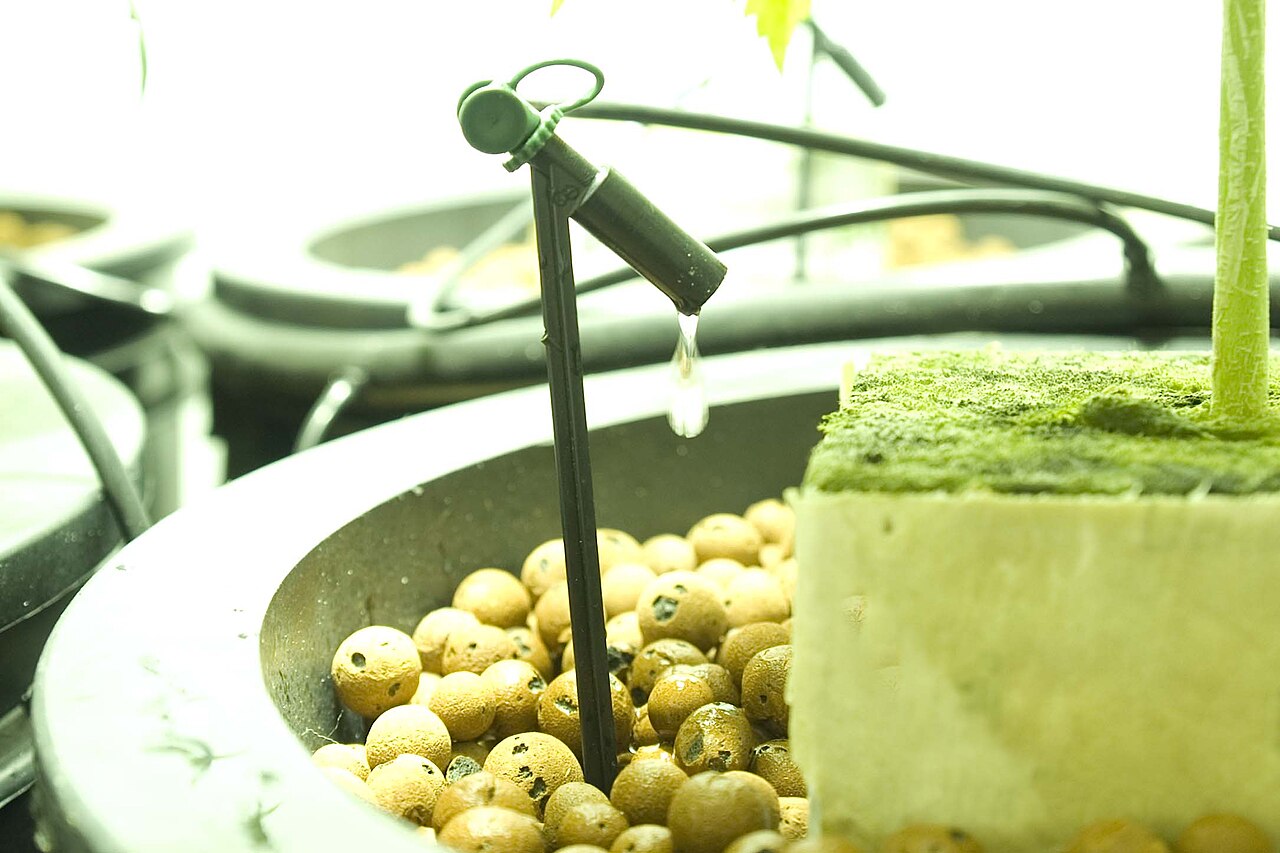
A solar drip irrigation kit combines a small solar panel, rechargeable battery, programmable pump controller, and ¼-inch tubing with drip emitters. The pump draws water from an open reservoir and pushes it to individual plants on a timer. It is low-pressure drip—not a sprinkler system.
That distinction matters. If you need to water 200 square feet of lawn or run overhead sprinklers, you want a mains-powered or high-flow pump on a hose bib. Solar drip kits target 10–30 containers or a compact raised bed where each emitter delivers roughly 0.5–2 gallons per hour. The EPA’s WaterSense program describes microirrigation as applying water slowly and directly to the roots where it is needed most—which is exactly the regime these low-pressure kits are built for.
Why pressure regulation is non-negotiable
Drip hardware is designed around much lower pressure than a household spigot delivers. Colorado State University Extension notes that typical household water pressure runs 50 to 60 psi while drip systems are designed to operate at around 20 to 30 psi depending on the manufacturer—the reason every kit worth buying includes a pressure regulator or pressure-reducing washer in-line.
Six Criteria Worth Checking Before You Buy
- Vertical lift. Measure from water surface to the highest emitter. Most residential solar pumps handle 4–6 feet of lift; a few reach 10–13 feet on paper. Add 1 foot of safety margin—flow drops sharply near the rated maximum.
- Battery capacity. Look for 2200 mAh or higher lithium cells. Smaller batteries may skip cycles after two overcast days.
- Anti-siphon hardware. Without a check valve or anti-siphon clip, water can gravity-drain from the reservoir when the pump stops—emptying a barrel overnight.
- Dry-run protection. A water-level sensor or idle alarm prevents motor burnout when the barrel runs dry during a heat wave.
- Emitter count vs. flow. Dividing pump output across too many drippers starves the last pot in line. Start with fewer emitters than the box maximum; add lines only after a successful test week.
- Winter storage. Controllers are not freeze-proof. Plan to bring the pump unit indoors before hard frost—tubing can stay buried or drained.
Honest Limitations
- Not truly “set and forget.” Check reservoir level weekly in summer. A 50-gallon barrel feeding 15 thirsty tomatoes may need refilling every four to six days.
- Cloudy stretches reduce runtime. Batteries bridge short gaps, not a rainy fortnight. Have a human backup or reduce watering frequency during extended overcast weather.
- Algae and mosquitoes in open barrels. Use a tight lid with a screened inlet, or add mosquito dunks labeled safe for irrigation water.
- Clogging from hard water or fertilizer. Flush lines monthly; filter reservoir water if it carries sediment.
- Cheap kits mislabeled as “solar.” Verify the listing includes both panel and battery-powered timer pump—not a passive gravity bag with a solar accent light.
| Your situation | Solar drip likely fits? | Consider instead |
|---|---|---|
| 15 patio pots, barrel on ground, emitters at bench height | Yes | — |
| Raised beds 3 feet above rain barrel | Maybe—check lift rating | Elevate barrel on blocks |
| Whole backyard lawn | No | Hose-timer + existing spigot |
| Apartment with no outdoor water storage | No | Self-watering pots or neighbor help |
Advertisement
Field Notes From a Balcony Test Rig
In July I set up a 27-gallon rain barrel on my apartment patio (third floor, no hose bib) feeding eight container tomatoes and four basil pots. The barrel sat on the deck; emitters ran up into 14-inch tall pots on a bench—about 2.5 feet of lift total. I programmed two runs daily, five minutes each.
What we measured
Numbers below come from my watering log and a cup held under one emitter for a full cycle:
| What I tracked | July observation |
|---|---|
| Delivered per pot | Roughly 1.5 liters per pot per day across two 5-minute runs |
| Total lift | About 2.5 feet from barrel water line to bench-level emitters |
| Battery vs. clouds | After four consecutive overcast days, morning cycles still ran but evening runs were skipped |
| Plant response | Slight wilt on the sunniest corner pot on day five until sun returned |
| Siphon check | Before the fix, water crept through overnight; after remounting the pump above the water line and fitting the check valve, barrel level did not drop between cycles over 24 hours |
Author’s own records; personal garden observation, not a controlled trial.
After that cloudy stretch I stopped assuming the timer covers a two-week trip—I now leave a 5-gallon backup bucket with a manual watering can next to the barrel.
Siphoning was my other lesson: the first layout had the pump body clipped to the barrel rim below the water line while emitters sat on the floor. Water crept through the line overnight until I remounted the controller on a scrap of 2×4 so the pump intake sat above the max fill line and installed the kit check valve on the outlet. Twenty-four hours later the barrel level had not dropped between cycles.
Install Checklist (About 45–60 Minutes)
- Place the reservoir in partial shade if possible—cooler water grows less algae. Full sun on a black barrel is fine but plan to scrub it each season. To stretch household water savings further, some gardeners top up reservoirs with recycled water—read our greywater system guide for the safety and legality basics before trying it.
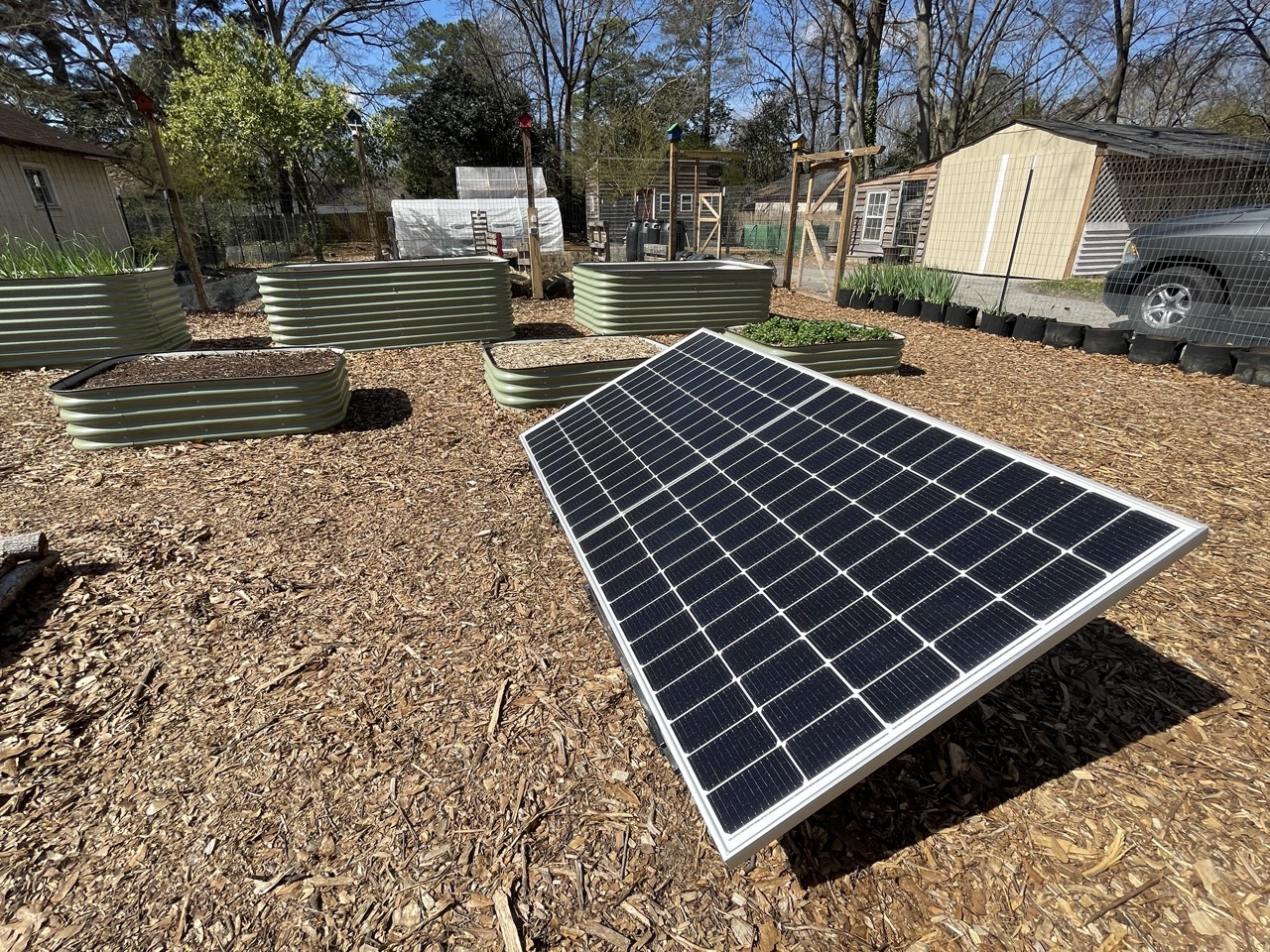
- Mount the solar panel south-facing (Northern Hemisphere) with 6+ hours of direct sun. Shade from a wall at 4 p.m. is acceptable if morning sun is strong.
- Position the pump above the water line and route the intake hose through the filter sock included in most kits.
- Lay ¼-inch tubing along the pot row. Dip tube ends in hot (not boiling) water for 10 seconds before pushing on barbed fittings—they seat easier.
- Install one emitter per pot at the soil surface, not against the stem. Stake drippers so they do not shift in wind.
- Prime and test. Run a manual 2-minute cycle, check each emitter, tighten leaks, then set your real schedule. Log the date on tape stuck to the barrel.
Two Kits With Verified Listing Names
Previous versions of this page linked to unrelated ASINs (standard drip kits without solar pumps). The two products below match their Amazon titles as of this update. Both suit small container gardens; neither replaces whole-yard irrigation.
More scheduling flexibility: RAINPOINT
The RAINPOINT Solar Drip Irrigation System Outdoor bundles a 5W panel, 2600 mAh battery, anti-siphon valve, and programmable timer with durations from 15 seconds up to 30 minutes. Rain-delay modes help if a storm arrives while you are away. Tradeoff: rated for about 15 pots—expanding beyond that reduces pressure at the far end of the line.

Good fit when you want granular timer control and built-in anti-siphon hardware for barrel-on-deck setups.
Simpler programming: RISINGUP
The RISINGUP Solar Drip Irrigation System for 15 Potted Plants includes a 2200 mAh battery, anti-siphoning device, and about 49 feet of tubing. Timer modes are coarser (often 5–20 minute blocks on 12- or 24-hour intervals), which is enough for uniform container beds but less precise for mixed drought-tolerant and thirsty plants on one line. Tradeoff: fewer advanced options, usually lower price.
Choose this for straightforward patio layouts where every pot needs similar water on a simple schedule.
Maintenance Rhythm
- Weekly: Glance at reservoir level and emitter flow (should drip, not spray).
- Monthly: Flush lines 2 minutes without emitters attached; brush algae from barrel walls.
- Each season: Replace cracked tubing; test battery by running two manual cycles after an overnight charge.
- Before frost: Drain lines, bring controller and pump indoors, cap barrel outlets.
Sources & further reading
- Colorado State University Extension — “Drip Irrigation for Home Gardens.” extension.colostate.edu
- Utah State University Extension — “The Do-It-Yourself Guide to Backyard Drip Irrigation.” extension.usu.edu
- US EPA WaterSense — “Watering Tips.” epa.gov
- Colorado State University Extension — “Watering Efficiently.” extension.colostate.edu
Sources verified August 2026.
Frequently Asked Questions
Can a solar drip kit replace my garden hose for lawn irrigation?
No. These kits target individual emitters at low flow. Lawns and large zones need higher pressure and volume than a barrel pump provides.
How many cloudy days can the battery cover?
Typically one to three days of scheduled watering if the battery started full. Plan manual backup or a larger reservoir for longer cloudy stretches.
Do I need a pressurized outdoor faucet?
No—that is the main appeal. Water comes from any open container the pump can draw from.
Why does water keep dripping after the pump shuts off?
Siphoning. Mount the pump intake above the water line and use the anti-siphon or check valve included with quality kits.
Can I add liquid fertilizer to the reservoir?
Only fully soluble products, through a filter. Sediment clogs emitters. Flush the system after heavy feeding weeks.
Product Summary
| Pick | Product | Best for | |
|---|---|---|---|
| Flexible timer | |
RAINPOINT Solar Drip Irrigation System Outdoor | Mixed pots needing custom run times |
| Simple setup | |
RISINGUP Solar Drip Irrigation System for 15 Potted Plants | Uniform balcony containers on one schedule |
Advertisement