Composting
DIY Organic Composting for Beginners: Start Your First Pile
A hands-on guide to DIY organic composting for beginners: greens and browns ratios, pile setup, moisture checks, and realistic timelines for finished compost.
On this page
- What you need before you start
- Greens vs. browns: the ratio that actually matters
- Build your first pile step by step
- Hot composting vs. cold composting
- Signs your pile is working
- Common beginner mistakes
- Using finished compost
- Choosing a bin or open heap
- What to collect in the kitchen
- Adjusting for your climate
- FAQ
If you have a corner of yard—or even a patio bin—and a steady stream of kitchen scraps, you can make compost without buying expensive starters or memorizing soil science. This guide is for first-time composters who want a pile that smells earthy, breaks down predictably, and produces usable soil amendment in a season or two.
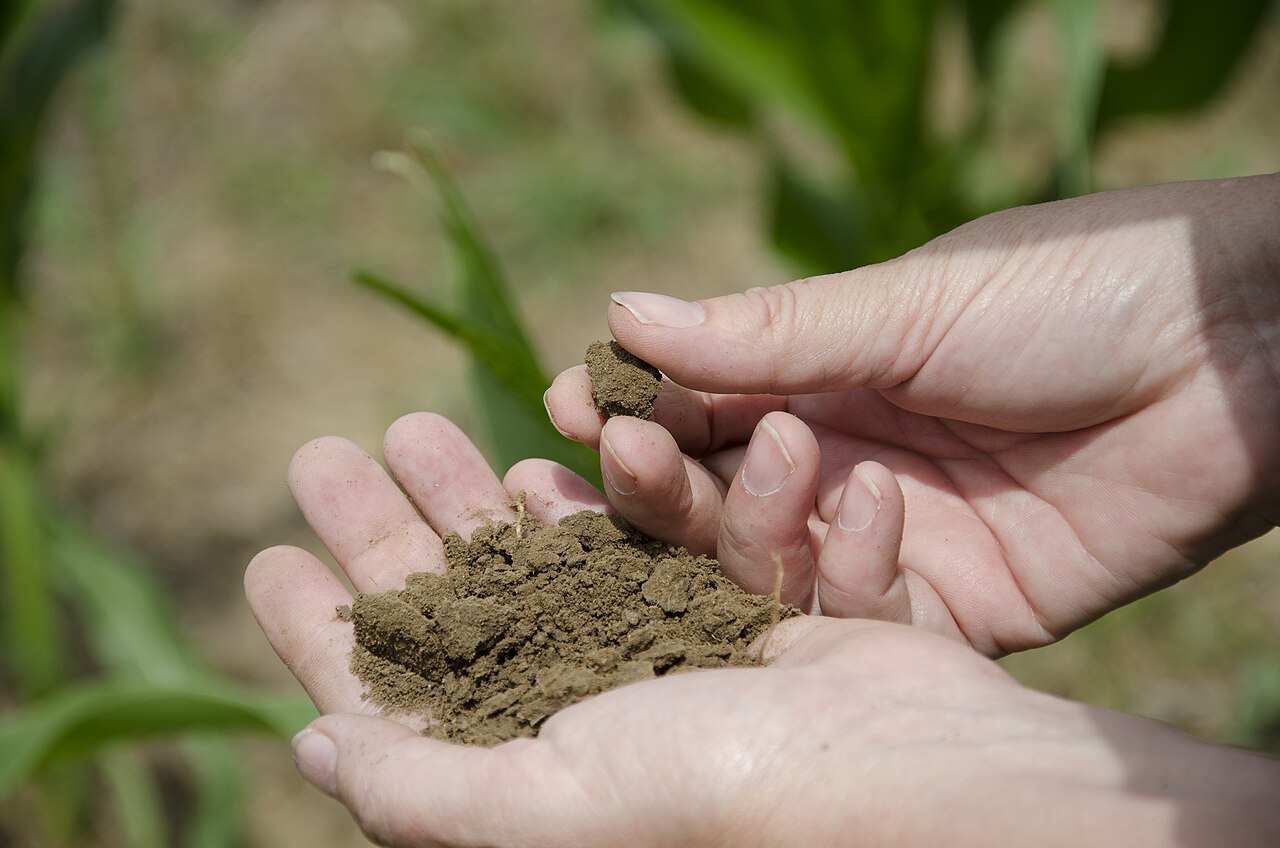
DIY organic composting is the controlled breakdown of plant-based waste into humus-rich material you can mix into beds and containers. You balance nitrogen-rich greens with carbon-rich browns, keep moisture in the damp-sponge range, and turn the pile often enough to stay aerobic. Do that and most beginner piles finish in roughly two to six months, depending on how actively you manage them.
What you need before you start
Gather these basics before building your first pile:
- A site on bare soil (or a bin with an open bottom) so worms and microbes can move in from below.
- Browns: dry leaves, shredded cardboard, straw, or wood chips—enough to cover each batch of kitchen scraps.
- Greens: fruit and vegetable trimmings, coffee grounds, tea leaves, fresh grass clippings in moderation.
- A pitchfork or compost tool for turning.
- Optional: a kitchen caddy to collect scraps between trips to the pile.
Skip meat, dairy, cooked oily foods, pet waste, and diseased plants in a standard backyard pile. Those invite odors and pests. If you need to compost meat scraps indoors, look at bokashi or worm systems instead.
Greens vs. browns: the ratio that actually matters
Compost microbes need carbon for energy and nitrogen to build proteins. In practice, aim for about three parts browns to one part greens by volume—not weight. A bucket of kitchen scraps needs roughly three buckets of dry leaves or shredded cardboard mixed in. The EPA recommends adding at least two to three times as much brown material (such as dry leaves) as green food scraps by volume, and keeping the pile "as moist as a wrung-out sponge."
| Category | Good additions | Leave out |
|---|---|---|
| Greens | Veggie scraps, coffee grounds, green weeds (no seeds), grass clippings (thin layers) | Meat, dairy, fats, pet waste |
| Browns | Dry leaves, shredded paper, straw, small twigs | Glossy paper, treated lumber, invasive weed seeds |
What we measured
Last fall I logged core temperatures in my 4-by-4-foot bin for one week after overloading it with two gallons of kitchen scraps and too few browns:
| Day | Core temperature | Observation |
|---|---|---|
| Day 1 | 128°F | Healthy active pile before the scrap overload |
| Day 5 | About 82°F | Faint ammonia smell at the surface; greens stacked up without enough carbon cover |
| Day 6 | Climbing | Mixed in one paper yard-waste bag of shredded leaves and turned once; smell faded overnight |
| Day 7 | Above 110°F | Thermophilic heat restored within 48 hours of rebalancing |
Author's own records; single-pile observation, not a controlled trial.
Advertisement
Build your first pile step by step
- Start with drainage: Lay 4 to 6 inches of coarse twigs or straw on soil so water does not pool at the base.
- Add greens in thin layers: Spread 2 to 3 inches of kitchen scraps; never dump a deep block of wet material.
- Cover with browns: Top each green layer with 6 to 9 inches of dry carbon material.
- Inoculate lightly: Sprinkle a shovelful of garden soil or old compost between layers to introduce microbes—no commercial starter required.
- Moisten as you go: Spray layers until the pile feels like a wrung-out sponge.
- Turn weekly (active method): Move outer cool material to the center. Rest for passive composting and turn only when soggy or smelly.
For renters or anyone who wants a contained system, a dual-chamber tumbler keeps scraps off the ground and makes turning easier on your back. I have used tumblers on patios where open piles were not allowed.

Affiliate recommendation: dual-chamber tumbler for small yards and patios. Fill one side while the other cures.
Hot composting vs. cold composting
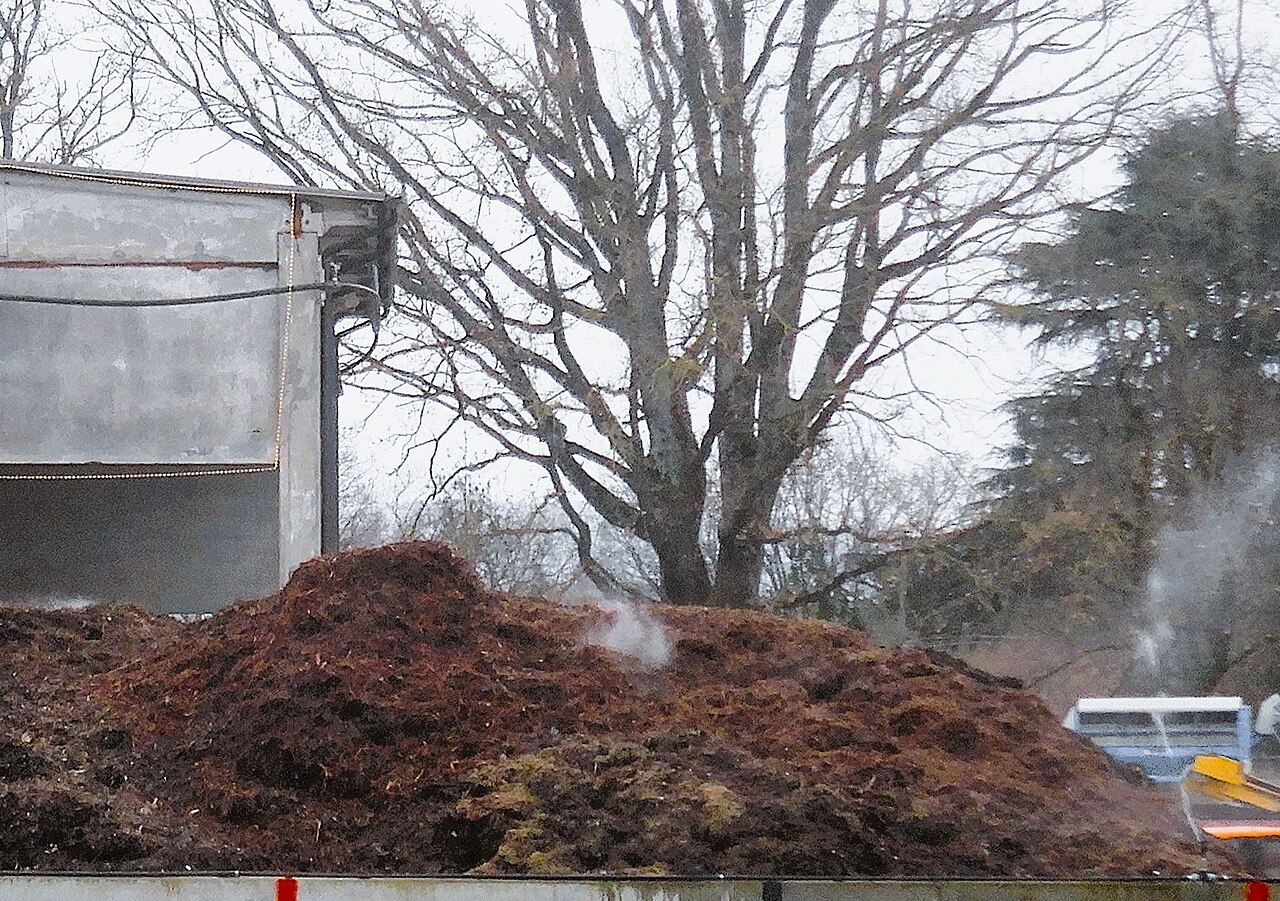
Hot (active) composting targets internal temperatures of 130°F to 150°F through regular turning and balanced inputs. At that range, many weed seeds and pathogens break down faster—according to the EPA, piles held at 131–160°F destroy pathogens and weed seeds, and temperatures must stay at or above 131°F for several days to meet pathogen-reduction standards. Expect finished compost in about one to three months in warm weather if you turn weekly and maintain moisture.
Cold (passive) composting means adding material and letting nature take its time. It can take nine to eighteen months, but it requires far less labor. Both methods work; choose based on how much attention you want to give the pile.
Size matters more than most beginners expect. University extension services, including UNH Extension, recommend a minimum one-cubic-yard pile (roughly 3×3×3 feet); anything smaller will not generate enough heat to break materials down quickly.
Field note: A passive pile I left unturned through one winter in a 3-by-3-foot wire bin still produced usable compost by late June—about eight months total—but identifiable eggshell fragments remained. Sifting before use solved that.
Signs your pile is working
- Internal warmth when you plunge your hand into the center (or use a thermometer).
- Earthy smell—not rotten eggs, vinegar, or sharp ammonia.
- Visible shrinkage: the pile settles as material breaks down.
- Dark, crumbly texture when you rub finished sections between your fingers.
If something smells off, see our compost troubleshooting guide or smelly pile fix walkthrough.
Common beginner mistakes
- Only adding kitchen scraps without browns—leads to slime and odor.
- Letting the pile dry out in summer; decomposition stalls when microbes lack moisture.
- Leaving food exposed on top; always bury scraps under browns.
- Chopping nothing; pieces larger than 2 inches take much longer to break down.
Using finished compost
Work 1 to 2 inches into vegetable beds before planting, or mix one part compost to three parts potting soil for containers. Compost improves water retention and feeds soil biology gradually—it is a soil builder, not a fast-release fertilizer. If you still see recognizable food, give it more time or screen it and return chunky bits to an active pile.
Choosing a bin or open heap
Beginners often overbuy gear. Start with what your space allows:
- Open heap: Free, best airflow, needs yard space.
- Wire or plastic bin: Neater, slightly slower airflow—turn more often.
- Tumbler: Easier turning, limited volume, good on patios.
In HOA neighborhoods, a enclosed bin with a lid may be required even if an open pile would work biologically.
What to collect in the kitchen
Keep a small caddy on the counter. Good daily additions: coffee grounds, tea leaves, egg shells (crushed), vegetable peels, fruit cores, houseplant trimmings. Tear cardboard boxes into strips as browns storage. Avoid cooking oil, meat, and cheese in standard piles.
Adjusting for your climate
The same recipe behaves differently depending on where you garden, so tune moisture and timing rather than ratios:
- Hot-arid regions (Southwest, high desert): Evaporation is the enemy. Site the pile in afternoon shade, water in thin layers two to three times per week in summer, and cap fresh additions with an extra-thick brown layer to slow drying. Piles here often stall from dryness long before they smell.
- Humid regions (Southeast, Pacific Northwest winters): Rain saturates open piles and pushes them anaerobic. Cover the top with a tarp or lid during wet stretches, favor coarse browns like straw and twigs for airflow, and expect slower spring warm-up because soils and inputs stay cold and wet.
- Cold-winter regions (Midwest, Northeast, mountain West): Build piles large in early fall—mass holds heat—and insulate with straw bales or extra leaves around the sides. Freezing pauses decomposition but does not kill it; material added all winter softens and breaks down fast once cores thaw in March or April.
- Mild coastal climates: Compost year-round but watch summer drought on exposed heaps and salt-laden wind desiccation near shorelines.
Wherever you live, seasonal timing matters: start piles in spring or early fall when temperatures sit between 50°F and 90°F, and avoid launching a first pile in midsummer heat or deep winter unless you can commit to watering or insulating it weekly.
Sources & further reading
- U.S. Environmental Protection Agency — “Composting At Home.” epa.gov
- U.S. Environmental Protection Agency — “Approaches to Composting.” epa.gov
- University of Nevada, Reno Extension — “Composting Yard and Vegetable Wastes.” extension.unr.edu
- UNH Extension — “Composting for the Home Gardener [fact sheet].” extension.unh.edu
Sources verified August 2026.
FAQ
What size should my first compost pile be?
At least 3 feet in each dimension. Smaller heaps cool quickly. A bin with similar internal volume counts.
Do I need a compost bin to start?
No—a heap on soil works. Bins help in tight spaces and reduce pest access.
How often should beginners turn compost?
Every 7 to 10 days for active piles. Turn immediately if you smell sour or ammonia odors.
Can I compost in winter?
Yes. Activity slows when frozen. Insulate with straw and keep adding to the center.
When is compost ready to use?
When it is dark, crumbly, earthy-smelling, and near air temperature throughout.