Composting
Bokashi vs. Worm Farming for Kitchen Waste
Compare bokashi composting and worm farming for apartment kitchen waste: setup, odors, what you can add, and where the finished product goes.
On this page
If you cook at home and lack a backyard pile, you still have two proven paths for kitchen scraps: bokashi fermentation (anaerobic, airtight bucket) and worm farming (vermicomposting with red wigglers). Neither is universally better—they solve different problems. This comparison is based on systems I have run side by side in a small apartment kitchen.
At a glance
| Factor | Bokashi | Worm farming |
|---|---|---|
| Accepts meat/dairy | Yes | No |
| Finished product | Pre-compost; must bury or soil-factory | Ready castings in bin |
| Time to harvest | 2 weeks ferment + 2–4 weeks soil contact | 3–6 months for castings |
| Smell when managed | Sweet-sour pickle | Earthy (bad if anaerobic) |
| Pet/livestock | None | Live worms to maintain |
| Best for | All food scraps, minimal daily care | Plant-based scraps, direct fertilizer |
Bokashi: how it works
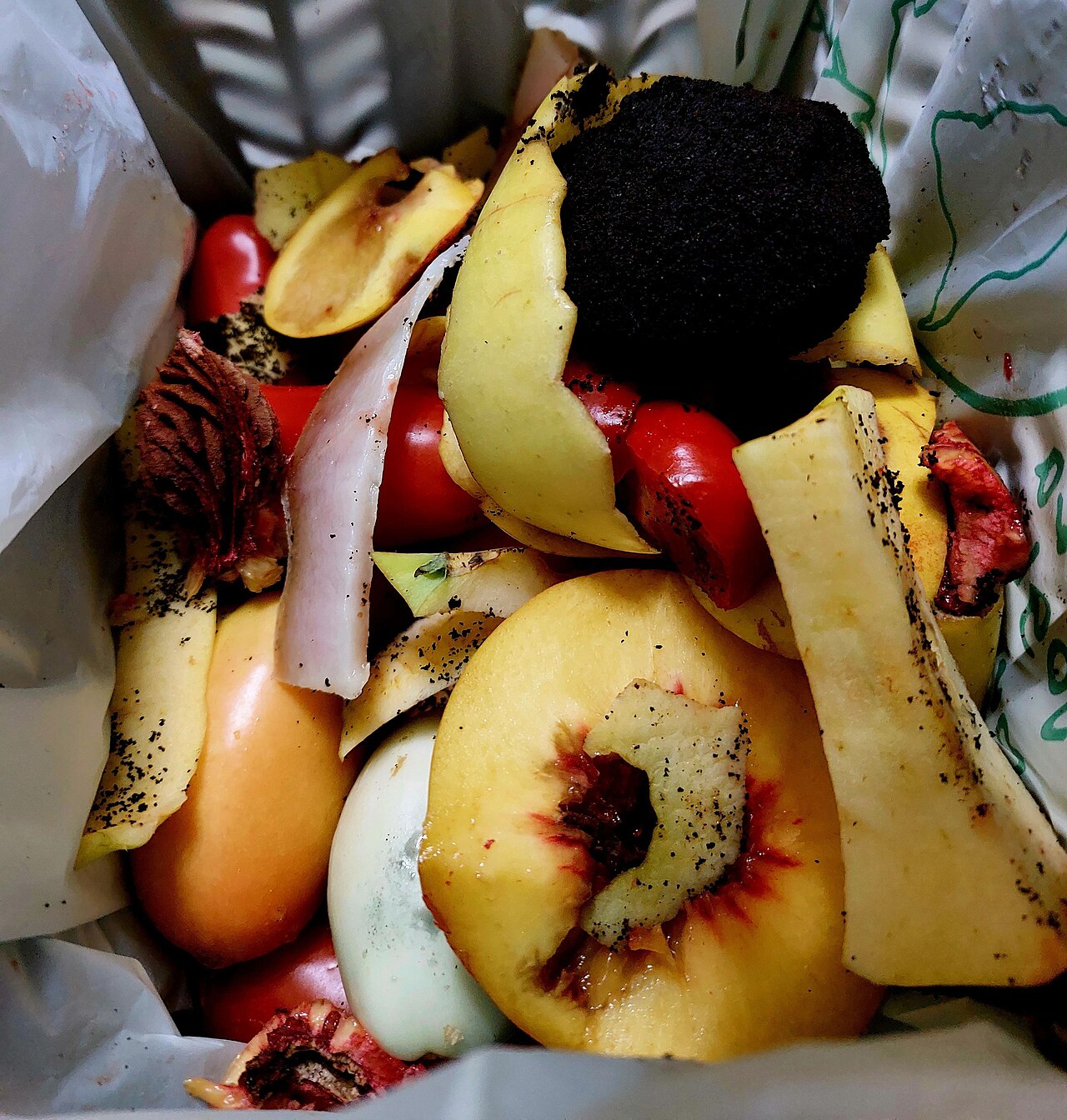
Bokashi is fermentation, not traditional composting. You layer kitchen waste in an airtight bucket, press out air, sprinkle bokashi bran (inoculated with effective microorganisms), and seal the lid. Microbes pickle the waste over about two weeks. WSU Extension describes it precisely: an anaerobic fermentation system using a sealed container and an inoculated bran of beneficial bacteria and yeast, fermenting quickly (about 10–14 days after filling) and working year-round. NC State Extension notes bokashi was originally developed in Japan and offers an odor-free way to handle nearly all kitchen waste—including meat and dairy—right in your home.
Drain the liquid (bokashi tea) every two to three days from the spigot—this is critical. Undrained liquid causes foul smells. Diluted 1:100, the tea can feed houseplants.
When the bucket is full, you bury the fermented mass in soil, a raised bed, or a "soil factory" tote with potting mix. It finishes breaking down in contact with soil organisms. NC State recommends burying at least eight inches deep, where the material fully decomposes within two to four weeks; WSU suggests digging 8–12 inches down and mixing the ferment with at least two to three times its volume in soil.

Affiliate recommendation: 5-gallon kit with spigot and starter bran—good entry point for apartments.
Advertisement
Worm farming: how it works
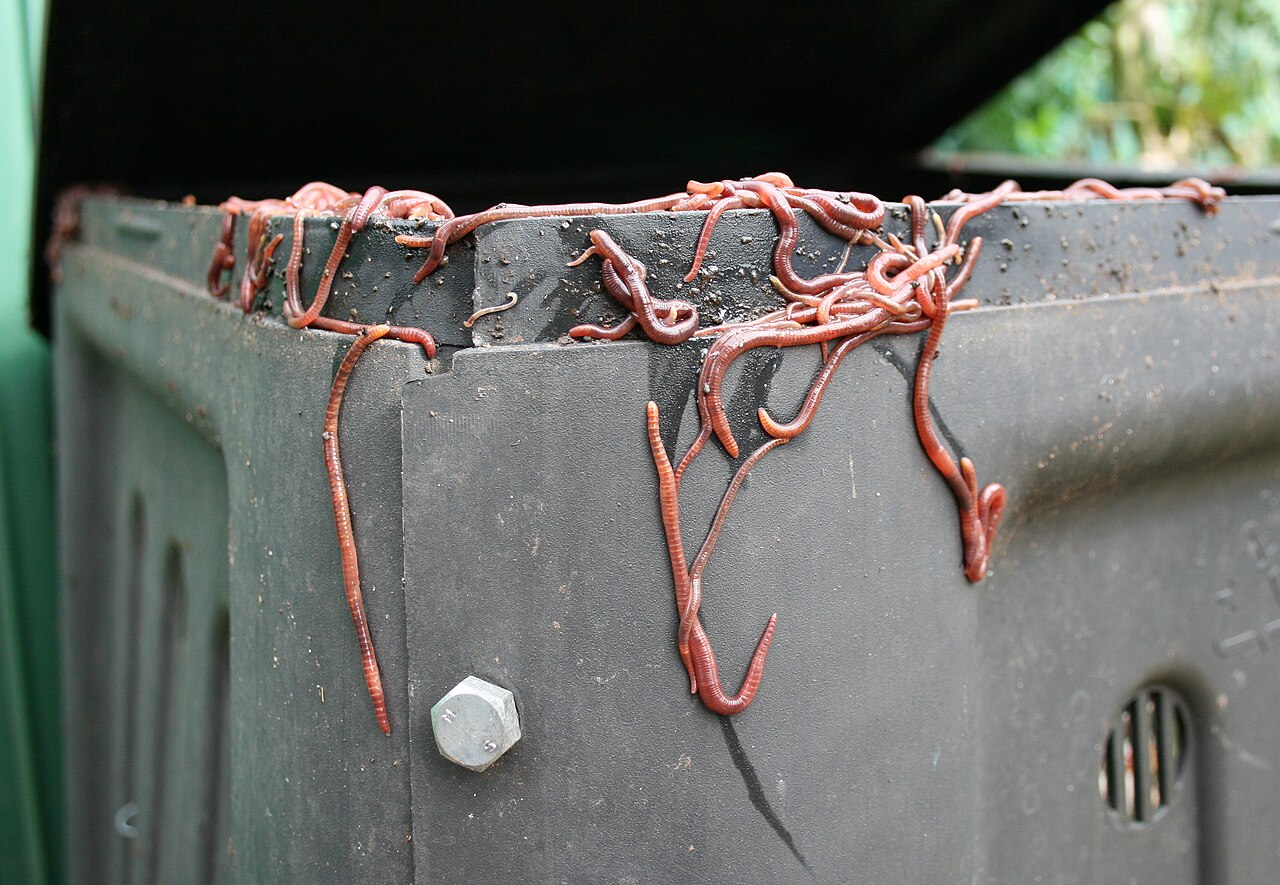
A worm bin uses Eisenia fetida (red wigglers) to eat plant-based scraps and produce castings—fine, odorless fertilizer you can mix directly into potting soil. Worms need bedding (shredded paper, coconut coir), steady moisture, and temperatures roughly between 55°F and 77°F. The EPA puts the ideal vermicomposting range at 55–80°F and confirms that a properly maintained worm bin produces no odors and attracts no pests. NC State Extension specialist Rhonda Sherman recommends starting with one pound of Eisenia fetida (about 1,000 worms) from a worm grower, kept near 70°F with around 80 percent moisture—under those conditions the worms consume roughly a quarter of their body weight per day.
Do not add meat, dairy, oils, or large citrus loads. Overfeeding is the most common beginner mistake: if food sits uneaten more than a few days, the bin goes anaerobic and smells sour.
What we measured
I have run both systems side by side for over a year. My own records:
| System | What I tracked | My record |
|---|---|---|
| Worm bin (10-gal stackable) | Castings harvest rate | About 2 gallons every four months from two adults' plant-based kitchen waste |
| Worm bin | Heat tolerance | In a heat wave above 95°F, worms clustered at the bottom and stopped eating until temperatures dropped; I moved the bin indoors |
| Bokashi bucket | Recovery after a missed drain (ten days skipped) | Sharp vinegary smell—not rotten; stabilized within 48 hours of draining and adding fresh bran |
| Soil factory (27-gallon tote on casters) | Burial cadence | One full bucket buried per month under 6 inches of soil; no odor on the balcony |
Author's own records; single-system observations, not a controlled trial.
Which should you choose?
Choose bokashi if: you want to compost all food types including cooked leftovers and dairy; you have access to soil somewhere to bury finished ferment (community garden, friend’s yard, soil factory tote); you travel and want low daily maintenance.
Choose worms if: you eat mostly plant-based scraps; you want finished fertilizer without a burial step; you enjoy tending a living system and have stable indoor temperatures.
Run both if: you have the space. I keep bokashi for meat bones and cheese rinds and worms for coffee filters and vegetable trimmings.
Setup checklist
Bokashi starter list
- 5-gallon bucket with tight lid and drain spigot
- Bokashi bran (plan roughly 1 tbsp per cup of scraps)
- Plate or press to compact layers
- Outdoor or soil-factory destination for finished ferment
Worm bin starter list
- Bin with drainage and ventilation (stackable trays or tote with holes)
- 1 lb red wigglers to start
- Bedding: moist shredded newspaper or coir
- Small amount of grit (fine sand or eggshell powder)
Cost and ongoing supplies
Bokashi requires bran purchases (roughly $15–25 per few months for average kitchens) and occasional bucket replacement if cracks develop. No electricity.
Worm farming needs bedding replenishment and maybe extra worms after a die-off. Startup: bin plus 1 lb worms ($30–50 combined for basic setups).
Both beat municipal waste fees only indirectly—the value is soil improvement and diversion, not cash savings in year one.
Odor management compared
Bokashi smells like fermentation when you open the lid—normal. Worms smell earthy when balanced; sour or ammonia means overfeeding or too much moisture. Neither should smell like garbage in a closed kitchen if managed correctly.
Drain bokashi tea every 48–72 hours. For worms, hold feeding until prior food disappears.
What to do with output in apartments
- Bokashi bury: 12-inch trench in a community plot, or soil factory tote (18-gal storage bin half-filled with potting soil on a balcony).
- Worm castings: Mix 10% into houseplant repotting mix; top-dress balcony containers monthly at ¼ inch.
- Donation: Many community gardens accept fermented bokashi or bagged castings if labeled.
Common failure modes
| System | Failure | Fix |
|---|---|---|
| Bokashi | White mold + putrid smell | Drain liquid; add bran; ensure airtight seal |
| Bokashi | Bucket won't open easily | Gas buildup—burp lid carefully; press layers tighter next fill |
| Worms | Worms climbing walls | Too wet, too acidic, or bin overheating—add dry bedding |
| Worms | Food rotting before eaten | Feed half as much; chop smaller; wait longer between feeds |
Timeline comparison week by week
Bokashi weeks 1–2: Fill bucket, press, bran, drain. No visible volume loss yet.
Bokashi weeks 3–4: Bucket full; begin burial in soil factory. Material looks pickled, not soil-like.
Bokashi weeks 5–6: Buried ferment mostly unrecognizable; soil factory ready for planting after curing.
Worm months 1–2: Worms acclimate; feed lightly; bedding dominates bin.
Worm months 3–6: Bottom tray fills with castings; harvest and restart top feeding layer.
Climate and placement notes for indoor systems
Indoor systems mostly dodge weather, but placement still matters by region. In hot climates, keep bokashi buckets out of sun-heated rooms—fermentation sours faster above roughly 85°F—and never leave a worm bin near west-facing glass. In cold-winter regions, a balcony worm bin needs insulation or indoor relocation once nights approach freezing; bokashi tolerates cold fine but fermentation slows, so allow extra time before burial. Humid climates favor bokashi for people who empty rarely, because sealed buckets do not absorb ambient moisture the way open bedding does. Wherever you are, worms want stable temperatures more than perfect ones—the EPA notes they survive 32–95°F with at least four inches of bedding, but survival is not the same as steady eating.
Sources & further reading
- U.S. Environmental Protection Agency — “Approaches to Composting.” epa.gov
- NC State Extension (Rhonda Sherman) — “Vermicomposting for Households.” composting.ces.ncsu.edu
- Washington State University Kitsap County Extension — “Bokashi Composting.” extension.wsu.edu
- NC State Extension, Beaufort County Center — “Bokashi Composting: A Faster, Easier Way to Turn Kitchen Scraps Into Garden Gold.” beaufort.ces.ncsu.edu
Sources verified August 2026.
FAQ
Does bokashi smell bad?
Properly managed bokashi smells like pickle brine. Foul odors mean air leaks or a full drain tray.
Can I put meat in a worm farm?
No. Meat, dairy, and oils attract pests and rot slowly in worm bins.
How long until I get usable compost?
Bokashi: 2 weeks ferment plus 2–4 weeks in soil. Worms: 3–6 months for a harvestable casting layer.
What if I have no garden for bokashi?
Use a soil factory (tote filled with potting soil on a balcony) or donate ferment to a community garden.
Can worms stay outside in winter?
Only above freezing. Below 40°F for extended periods, move the bin indoors or insulate heavily.
Advertisement