Composting
Can You Put Citrus Peels in a Compost Bin?
Yes, you can compost citrus peels in moderation. Learn how d-limonene affects breakdown, safe quantities, and chopping tips for home bins.
On this page
- Short answer
- Why the myth persists
- How to add citrus without problems
- Citrus in different compost systems
- Onions, limes, and moldy fruit
- When to keep citrus out
- How much citrus is too much?
- pH myths vs. finished compost reality
- Composting grapefruit and thick rinds
- Citrus in municipal green bins
- Pairing citrus with other "problem" scraps
- Reader scenarios: quick answers
- Testing citrus in your own pile
- Climate changes the timeline, not the rules
Orange, lemon, and grapefruit peels show up in almost every kitchen scrap bucket—and many beginners hesitate to add them, worried that acidity or essential oils will kill compost microbes or harm garden soil. You can compost citrus peels in a typical home pile. The keys are moderation, chopping, and balancing with enough brown material.
Short answer
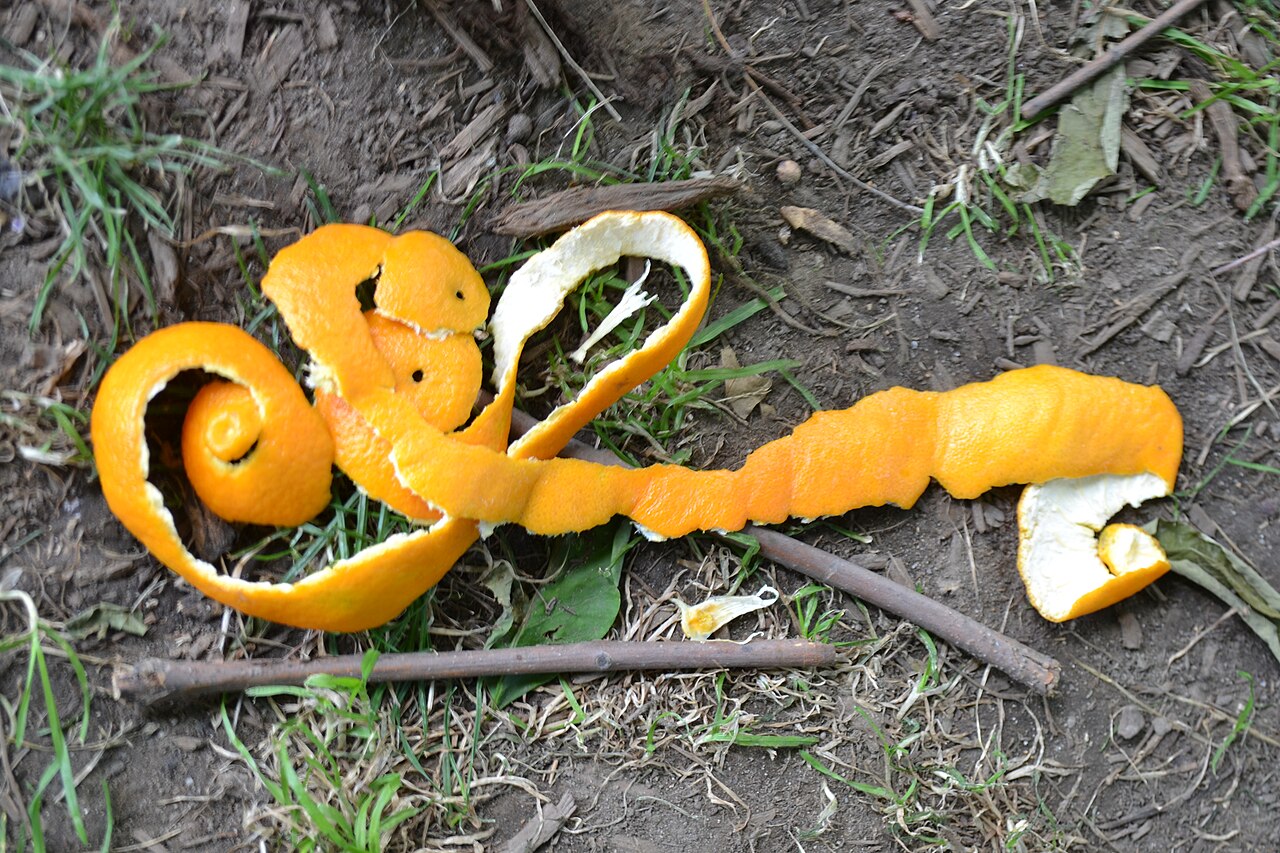
Yes—citrus peels belong in compost when you add them in thin layers mixed with browns, not in thick mats. Finished compost from a balanced pile tests near neutral pH regardless of citrus inputs. Citrus peels don't appear anywhere on the EPA's backyard-compost avoid list—they count as ordinary "green" fruit scraps—though the same agency does tell worm-bin keepers to skip citrus, which is where most of the confusion starts.
Why the myth persists
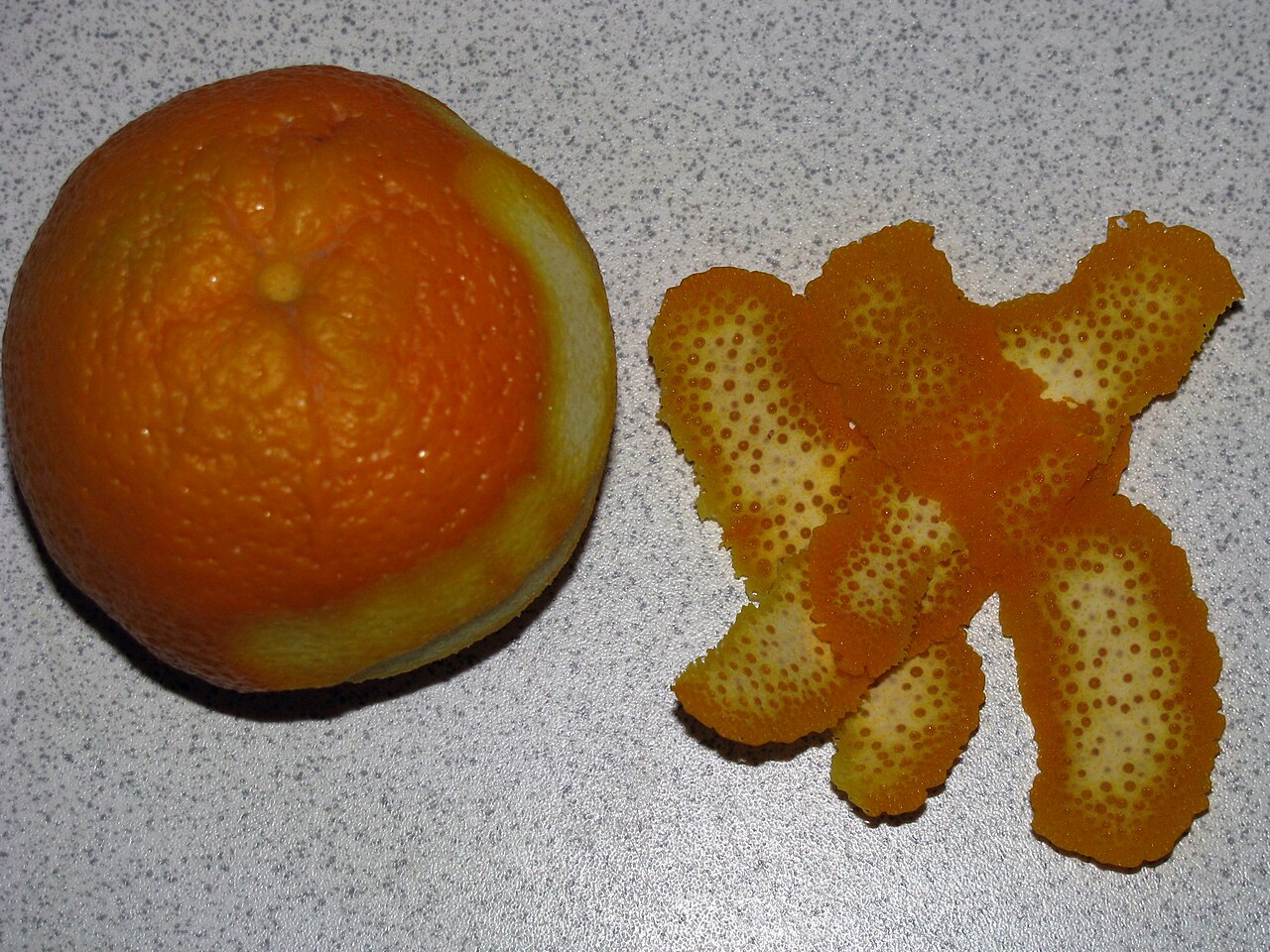
Citrus contains d-limonene, the oil that gives peels their scent. In high concentration it can repel some insects and slow breakdown at the surface. In a diverse, active pile, microbes and fungi break down d-limonene along with the rest of the peel.
Whole peels also take longer to decompose because of their waxy skin. That is a timeline issue, not a safety issue. Extension educators put numbers on "slow": Ask Extension notes peels are fully compostable but break down very slowly, and UW–Madison Extension's composting table classifies citrus rinds as nitrogen-rich material that is simply slow to decompose—the fix being to chop them into small pieces.
How to add citrus without problems
- Chop peels to roughly ½-inch pieces or smaller.
- Limit volume to no more than one part citrus per ten parts total greens in a given week.
- Mix with browns immediately—do not leave peels exposed on top.
- Keep the pile active with weekly turning in warm months so peels stay in the hot core.
The moderation advice has a chemical basis: extension educators note that some compounds (terpenes) in citrus peels can suppress populations of certain soil organisms, so adding a lot of fresh peel at once is not recommended—but burying small quantities is fine.
What we measured
I ran a side-by-side test in two 5-gallon buckets during one spring, checking weekly:
| Batch | Preparation | Result |
|---|---|---|
| Bucket A | Peels chopped in a food processor | Broke down to unrecognizable fragments within five weeks |
| Bucket B | Whole orange halves | Visible rind still present at eight weeks |
| 4-ft hot pile (holiday baking season) | Roughly two pounds of lemon zest scraps over two weeks, buried at the 130°F core under shredded leaves | No odor issues or slow spots observed |
Author's own records; single-pile observations, not a controlled trial.
Advertisement
Citrus in different compost systems
- Open backyard pile: Fine with chopping and browns.
- Tumbler: Works well—enclosed heat speeds peel breakdown.
- Worm bin: Avoid large amounts; worms can be sensitive to acidic fresh citrus. Small quantities mixed with bedding are usually fine.
- Bokashi: Citrus ferments safely; acidic smell is normal during fermentation.
One principle ties these systems together: concentrated acidity needs dilution before plants and worms meet it. Washington State University Extension makes the same point about bokashi pre-compost—it is acidic, biologically active, and must be mixed with soil to complete decomposition—so treat a big load of citrus the same way: mixed into an active pile, never dumped in one spot.
Onions, limes, and moldy fruit
Onions and limes follow the same rules as oranges: chop, mix, moderate volume. Moldy citrus is acceptable—the mold is part of natural decomposition. Skip produce coated in wax or stickers; remove labels before composting.
Field note: After holiday baking season, I added roughly two pounds of lemon zest scraps over two weeks to a 4-foot hot pile with no issues, because each addition went to the 130°F core under a layer of shredded leaves.
When to keep citrus out
- Vermicompost bins showing worm die-off or avoidance at the surface.
- Very small indoor worm farms where peels cannot be buried in bedding.
- Piles that are already anaerobic and smelly—fix odor problems first, then resume citrus.
How much citrus is too much?
There is no single peel limit that applies to every pile, but these volume guidelines work for home composters:
- Small pile (under 3 ft): No more than 1–2 orange equivalents per week.
- Active 4-ft pile: Up to 4–5 oranges worth weekly if chopped and mixed into the hot core.
- Worm bin: A few tablespoons of chopped peel monthly, buried in bedding.
Problems show up as slow spots where peels remain recognizable after the rest of the pile has darkened, or a localized sour smell at the peel layer. Pull those pieces back into the center with fresh browns.
pH myths vs. finished compost reality
Fresh citrus is acidic. During composting, organic acids are metabolized and pH drifts toward neutral as humus forms. Extension services commonly report finished compost in the 6.5–7.5 range regardless of modest citrus inputs.
Do not add lime to "balance" citrus—the compost process self-regulates when carbon and air are adequate. Lime can drive off nitrogen as ammonia gas.
Composting grapefruit and thick rinds
Grapefruit and thick-skinned citrus take longer than thin mandarin peels. Cut rinds into strips, or run them through a food processor pulse. The white pith composts faster than the colored zest layer—both are fine to include.
Seeds inside citrus usually break down in hot piles; cold piles may leave a few sprouted seedlings that are harmless but should be turned under.
Citrus in municipal green bins
Most curbside compost programs accept citrus without restriction because industrial windrow systems run hotter and larger than backyard piles. If you use municipal pickup, local rules still apply—check whether liners or stickers are allowed.
Pairing citrus with other "problem" scraps
Onion skins, garlic peels, and citrus together are fine in a balanced pile. The same rules apply: chop, mix, moderate volume. If you process a lot of alliums and citrus from meal prep, increase browns proportionally that week rather than spreading additions across multiple days without carbon cover.
Reader scenarios: quick answers
Daily orange juice habit? Fine—chop peels, balance with a handful of leaves per orange.
Limoncello zest piles? Small zest volumes compost quickly; avoid dumping cups of oily zest without browns.
Citrus in worm bin only? Start with one peel per week, buried. Increase only if worms consume it before mold spreads.
Testing citrus in your own pile
Run a simple check before committing peel volume: add one chopped orange worth of peels to the center of your pile with a double handful of dry leaves. Turn in seven days. If peels are softening and no localized sour smell appears, your pile can handle modest weekly citrus. If peels stay rock-hard and dry, increase moisture slightly and chop finer next time.
Document what you add for two weeks—most odor and slowdown issues trace back to a single oversized dump, not occasional peels from breakfast.
Climate changes the timeline, not the rules
Where you live mostly affects how long peels take—not whether to add them. In cold-winter regions and unheated bins, expect whole peels to persist for months; chop everything and shift citrus volume toward late spring through fall when piles run warm. In hot climates (Southeast, Southwest summers), an actively managed pile can process chopped peel in a few weeks, but dried-out peels can mummify instead—moisten additions as you bury them. Humid coastal gardens fall in between; the limonene concern fades faster where microbial activity stays high year-round. Apartment worm-bin keepers everywhere should follow the same conservative path regardless of climate: small, buried, occasional.
If you compost year-round indoors (bokashi or worms), outdoor seasons matter less—just respect each system's own limits described above.
Sources & further reading
- U.S. Environmental Protection Agency — “Composting At Home.” epa.gov
- Ask Extension — “Can peels from lemons and oranges be composted?” ask.extension.org
- UW–Madison Division of Extension, Dane County — “Table 3: Compostable Materials Requiring Special Handling.” dane.extension.wisc.edu
- Washington State University Kitsap County Extension — “Bokashi Composting.” extension.wsu.edu
Sources verified August 2026.
FAQ
Can you compost citrus in a tumbler?
Yes. Heat and regular turning help peels break down faster than in a cold open heap.
Do citrus peels kill compost worms?
Large amounts of fresh peel can irritate worms. Use small quantities well mixed into bedding.
How long do citrus peels take to decompose?
About 3 to 6 weeks in a hot, chopped pile; up to several months if whole and cold.
Can I compost moldy citrus?
Yes. Mold is a normal decomposer.
Will citrus compost harm acid-sensitive plants?
Finished compost is near neutral. Citrus in the input does not make the output acidic.
Advertisement