Planning
Sustainable Gardening Checklist
Use this printable sustainable gardening checklist to audit soil health, water use, compost, pest management, and biodiversity-right on the page, season by season.
On this page
This checklist helps you audit your garden in about 15 minutes at the start of each season. Work through the sections below—check off what you already do, note gaps, and pick one improvement per season rather than trying to fix everything at once.
Tip: Use your browser’s Print function (Ctrl+P or Cmd+P) to save this page as a PDF. Checkboxes print as empty squares you can mark by hand.
How to Use This Checklist
- Walk your garden with this page on a phone or printed copy.
- Check items that are already true for your yard right now.
- Circle one unchecked item per section to tackle this season.
- Revisit in three months; sustainable gardens improve incrementally.
When I first ran this audit on my own 0.15-acre plot, I scored 11 of 28 items. Two years later—after adding a rain barrel, switching one bed to no-dig, and cutting back neem sprays—the score was 22. Progress, not perfection.
| Audit round | Score | Changes that moved the needle |
|---|---|---|
| First audit (year one) | 11 of 28 | Baseline—no rain capture, tilled beds, sprays as the default response |
| Two years later | 22 of 28 | Rain barrel installed, one bed converted to no-dig, neem cut back to last-resort use |
Author’s own records; personal garden observation, not a controlled trial.
The soil section is not arbitrary, either: it mirrors the four soil-health principles USDA NRCS promotes—maximize living roots, minimize disturbance, maximize soil cover, and maximize biodiversity. A passing soil score here means your beds meet roughly the same standard federal conservationists apply to working farmland, at backyard scale.
Soil Health
Water Conservation
Advertisement
Compost & Waste Loop
Pest & Pollinator Balance
Biodiversity & Plant Choice
Tools, Inputs & Footprint
Scoring guide: 22–28 checked = strong sustainable baseline. 14–21 = good progress; pick one section to improve. Below 14 = normal for year one; start with soil + compost items, then water.
Seasonal Priorities: Running the Full Audit, Season by Season
The checklist reads top to bottom, but each seasonal pass has its own rhythm. Here is how I spread all 28 items across a year on my own plot—use it as a template and adjust for your climate and frost dates.
Spring audit (about two weeks before your last frost date)
- Soil first. If your last lab test is more than three years old, order one before amending anything—results take weeks, and spring decisions should follow numbers, not habit.
- Compost top-dress. Once beds are workable, spread finished compost at 1–2 inches and stop there. Repeated heavy applications push phosphorus upward without raising yields, so restraint is the sustainable move.
- Irrigation shakedown. Pressurize drip lines, check every emitter for clogs, and confirm the early-morning timer schedule survived winter storage.
- New beds. Build them with sheet mulch now so layers break down while you plant elsewhere.
- Seed orders. Verify region-appropriate varieties against your journal notes from last season before clicking buy.
Summer audit (one quick midseason pass, around July)
- Mulch depth. Probe with a finger at several spots: roughly 3–4 inches on beds—the depth EPA WaterSense recommends for cutting evaporation—and always pulled back from stems and trunks so moisture never sits against bark.
- Water timing and runoff. Run one manual cycle and walk the edges; water reaching pavement is a layout problem, not a plant problem. Early-morning schedules beat evening ones for disease pressure too.
- Pest thresholds. Scout weekly and write down damage levels before touching any product—most outbreaks peak and collapse without intervention, and the record tells you which pests actually cost yield.
- Thirst map. Log which crops needed the most irrigation this month. That map drives next year’s bed placement and lets you group similar-water plants together so no zone gets someone else’s schedule.
Fall audit (after harvest winds down)
- Cover crops. Sow empty beds within days of clearing them—living roots through winter feed soil biology better than bare rest.
- Leaf harvest. Collect leaves for compost browns and a dedicated leaf-mold bin; fall supplies your next two years of soil conditioner free.
- Habitat. Leave standing stems and a patch of bare ground for overwintering native bees, and delay cutback until late winter when they have emerged.
- Winterization. Drain drip lines, bring timers and pressure regulators indoors, and note cracked tubing to replace over the off-season.
- Journal review. While memory is fresh, log wins and losses from the season—this becomes the evidence base for next spring’s seed order.
A real 15-minute walkthrough
Wondering what an audit actually looks like in practice? Here is my standard walking route:
| Stop on the walk | What I check | What “passing” looks like |
|---|---|---|
| Compost corner | Smell, moisture, recent brown-to-green balance | Earthy smell; no ammonia or rotten-egg odor |
| Vegetable beds | Tilled-or-not, bare spots, worm count in one 12-inch cube of soil | Unturned surface, soil covered, 10+ worms |
| Drip line & timer | Emitter flow, schedule, leaks at fittings | Even dripping, no pooling, timer matches plan |
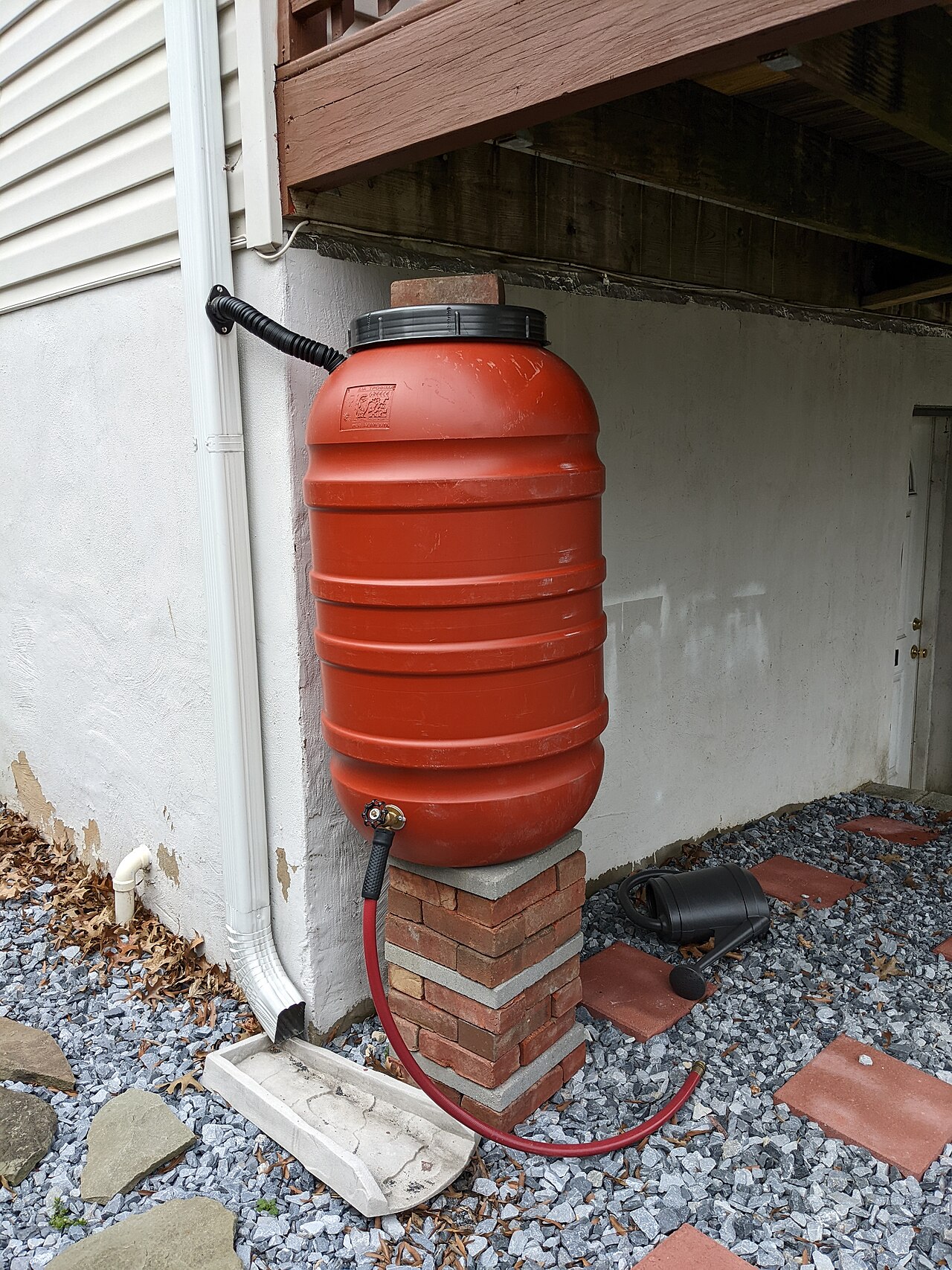
| Rain barrel | Water level, screened inlet, overflow direction | Screen intact; overflow routed to a bed, not pavement |
| Pollinator strip | Blooms present, spray residue, nesting habitat | Something flowering; stems and bare patches left alone |
Author’s own routine; personal garden observation, not a controlled trial.
What to Do With Your Results
If soil items scored low, read DIY composting and no-dig basics. If pest items scored low, review common eco mistakes before buying more sprays. If you are starting from scratch, follow how to start a sustainable garden.
Sources & further reading
- USDA Natural Resources Conservation Service — “Soil Health.” nrcs.usda.gov
- US EPA WaterSense — “Landscaping Tips.” epa.gov
- US Environmental Protection Agency — “Integrated Pest Management (IPM) Principles.” epa.gov
- Penn State Extension — “Less is More: How to Apply Compost in Your Vegetable Garden.” extension.psu.edu
Sources verified August 2026.
Frequently Asked Questions
How often should I audit?
At the start of each growing season—spring, summer, and fall.
Home soil tests without a lab?
Worm counts and jar texture tests give quick signals; lab tests every few years are still worth it.
Balcony gardens?
Use the compost, water, pest, and biodiversity sections; skip lawn items.
Fastest soil improvement?
Sheet mulch plus ongoing compost production.
Why harvest rainwater?
Less treated municipal water use and gentler water for plants.
Advertisement