Planning
Common Eco-Friendly Gardening Mistakes to Avoid
Well-meaning sustainable gardening habits that backfire: over-spraying organic pesticides, over-mulching, skipping establishment watering, and compost overload.
On this page
- Mistake 1: Spraying Organic Pesticides Like They Are Harmless rn
- Mistake 2: Mulching Too Deep or Against Stems rn
- Mistake 3: Stopping Water on “Drought-Tolerant” Plants Too Soon rn
- Mistake 4: Adding Compost Without Testing rn
- Mistake 5: Buying “Wildflower Mix” Without Reading the Label rn
- Mistake 6: Tilling Every Spring rn
- Mistake 7: Letting Compost Go Anaerobic rn
- Mulch Type Comparison rn
- 10-Minute Garden Eco-Audit
You bought organic fertilizer, planted native flowers, and stopped using glyphosate—yet your pollinator counts dropped and your soil smells sour. Eco-friendly gardening fails when good intentions outrun observation. This article covers the mistakes I see most often on client sites and in my own early experiments, plus concrete fixes you can apply this week.
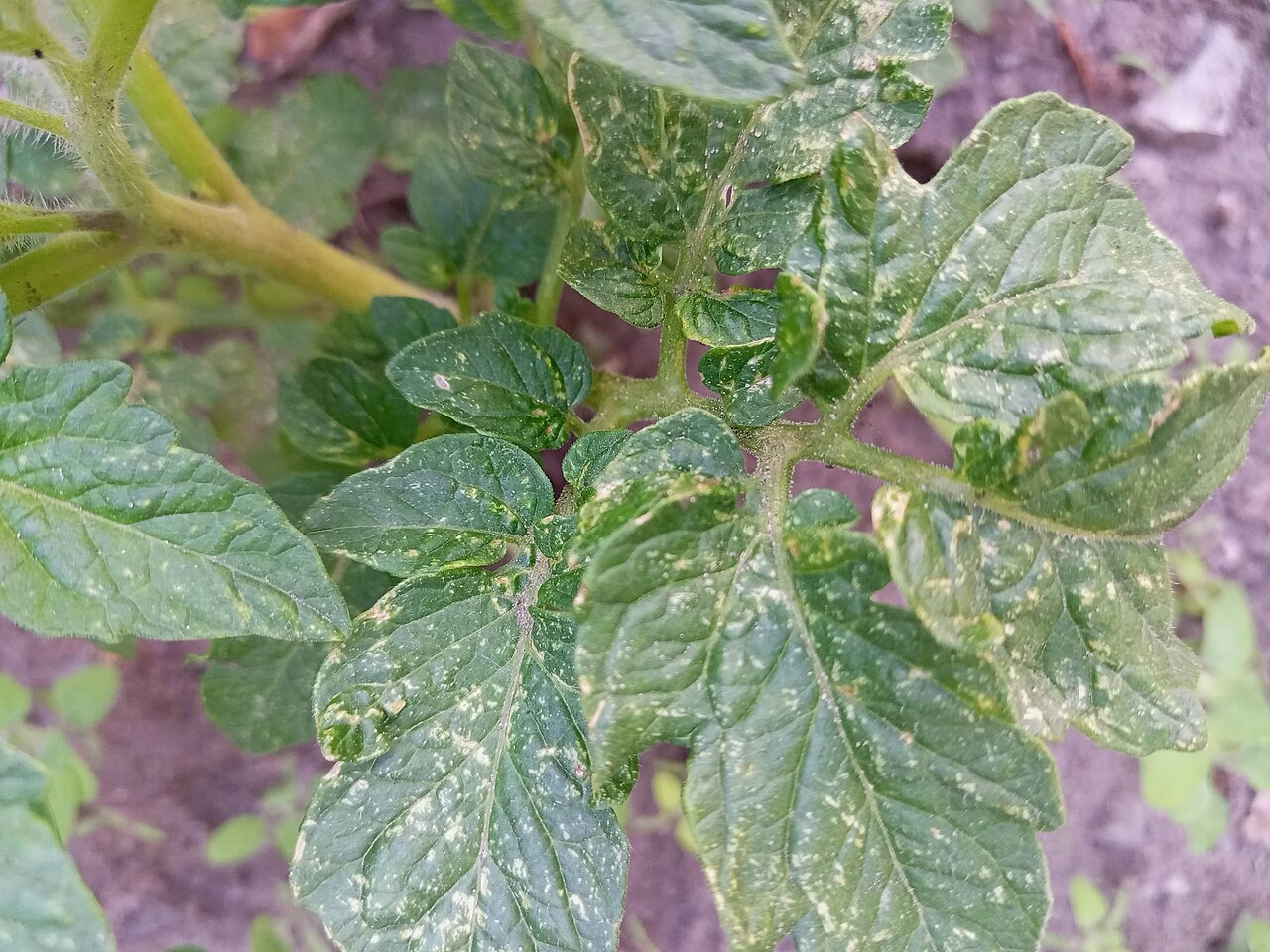
Mistake 1: Spraying Organic Pesticides Like They Are Harmless
Neem oil, pyrethrins, and insecticidal soap kill on contact. They do not distinguish aphids from ladybug larvae or native bees visiting open blooms. Combination products can be especially toxic to beneficial insects, and “organic approved” says nothing about dose or timing—only origin.
On a 200-square-foot native border I managed in 2023, a single midday neem application after a thrip outbreak reduced visible bee visits for about ten days—long enough to matter for early-blooming species.
What we measured
| Observation | 2023 record |
|---|---|
| Bed treated | 200-square-foot native plant border |
| Trigger | Thrip outbreak on new growth |
| Application | One midday neem oil spray |
| Pollinator activity afterward | Visibly reduced bee visits for about ten days |
Author’s own records; personal garden observation, not a controlled trial.
Fix: Spray only at dusk when pollinators are inactive. Target the undersides of affected leaves with a narrow stream, not a broadcast mist. Try hand-squishing, water blasts, or row covers first. See organic pest control methods for a full IPM sequence.
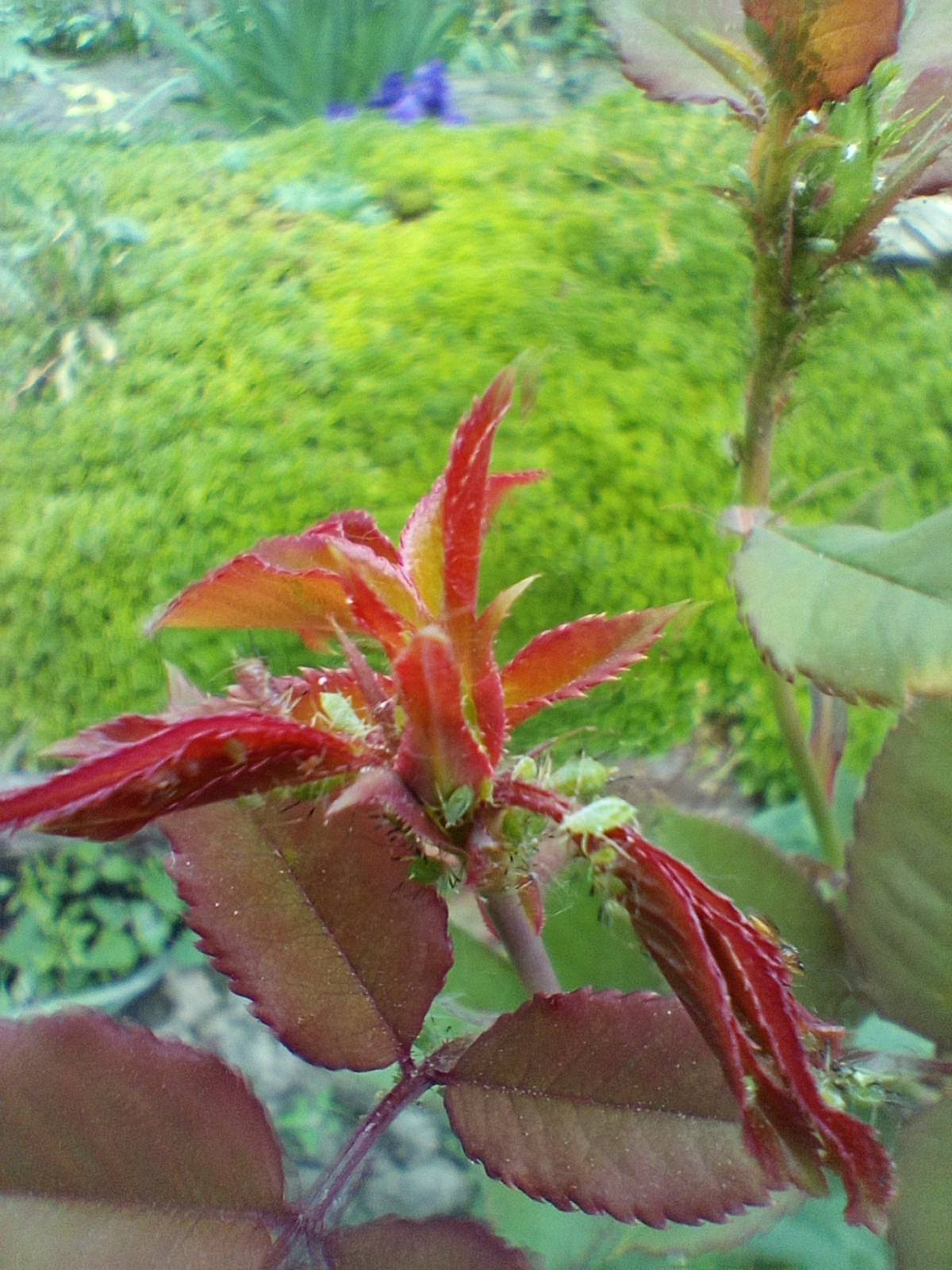
Mistake 2: Mulching Too Deep or Against Stems
Mulch deeper than 3 inches can block oxygen exchange at the soil surface. Piling mulch in a “volcano” around tree trunks traps moisture against bark and invites rot.
The damage chain is well documented. Wet mulch held against a trunk keeps bark constantly damp, softening tissue and opening entry points for insects and disease; decomposing mulch can even generate enough heat to injure underlying vascular tissue. The trunk often responds by sprouting adventitious roots that later circle and girdle the tree, quietly restricting water transport. Penn State Extension documented a dogwood “literally mulched to death” under a volcano pile after borer infestation moved in.
Depth causes its own failures even when mulch stays off the trunk. Roots grow up into a thick mulch layer and die when it dries out, deep piles can turn hydrophobic and shed water instead of soaking it in, and excess depth shelters voles that gnaw bark through winter. Extension guidance caps total mulch at three inches and says to pull it back so it never touches bark—mulch belongs in a doughnut, not a cone.
Fix: Keep mulch 2 to 3 inches deep, pulled back 2 inches from stems and trunks. Use arborist wood chips on paths and perennials; finer leaf mold works well in vegetable rows.
Advertisement
Mistake 3: Stopping Water on “Drought-Tolerant” Plants Too Soon
Native and drought-adapted plants still need establishment watering. Roots must reach deep moisture before you cut back. New trees and shrubs normally need steady irrigation through an establishment period before rainfall alone suffices—per EPA WaterSense, once plants are established, watering should taper off rather than continue on autopilot, because irrigating drought-adapted picks past their need wastes water and invites crown rot.
The reverse error shows up in sunny non-arid beds: decorative rock mulch radiates heat, scorches foliage, and drives water loss—the opposite of the water-wise look it advertises.
Fix: Water deeply once or twice a week (about 1 inch equivalent) through the first full summer and often the second. Transition gradually. Our drought-tolerant plant guide lists species-specific notes.
Mistake 4: Adding Compost Without Testing
More compost is not always better. Excess phosphorus from repeated manure or compost applications can accumulate and run off into storm drains.
This is not a fringe worry. Researchers at Oregon State University sampled 27 urban gardens over two years and found soil organic matter averaging 13 percent—roughly triple the 3-to-5-percent range usually recommended. One bed tested at 30 percent organic matter; the gardener had used nothing but compost, and the pepper plants in it burned and died by season’s end. Phosphorus builds under repeated manure-based composts the same way, and it can reach waterways when that enriched soil erodes.
When I soil-tested a client bed that had received 4 inches of chicken manure compost annually, phosphorus measured roughly three times the level recommended for vegetables—without any yield benefit.
What we measured
| Client bed record | Value |
|---|---|
| Annual amendment | 4 inches of chicken-manure compost, repeated yearly |
| Soil phosphorus | Roughly 3× the level recommended for vegetables |
| Yield benefit observed | None |
Author’s own records from a consulting visit; personal garden observation, not a controlled trial.
Fix: Soil test every 2 to 3 years through your local extension office or a mail-in lab. Aim for 1 to 2 inches of compost top-dress per year unless tests show a specific deficiency—and if organic matter already sits at 3 to 5 percent, hold off entirely.
Mistake 5: Buying “Wildflower Mix” Without Reading the Label
Generic mixes sometimes include invasive species or annuals that do not return. “Pollinator friendly” on packaging is not regulated.
Fix: Choose region-specific native seed from reputable nurseries or extension programs. Read native vs. adaptive plants before replacing lawn.
Mistake 6: Tilling Every Spring
Annual rototilling destroys fungal networks and brings weed seeds up. It fights the soil biology you are trying to build.
Fix: Switch one bed to no-dig or sheet mulch and compare results for a season.
Mistake 7: Letting Compost Go Anaerobic
A wet, unturned pile smells like rotten eggs and releases methane. That usually means too much green material and not enough air.
Fix: Turn the pile, add dry leaves or shredded cardboard, and cover loosely so rain does not saturate it. See how to fix a smelly compost pile.
Mulch Type Comparison
| Mulch | Pros | Cautions |
|---|---|---|
| Arborist wood chips | Free via ChipDrop; feeds fungi | Can tie up nitrogen at soil contact briefly |
| Straw | Good for paths and berries | Verify herbicide-free; may contain seeds |
| Leaf mold | Mimics forest floor; free | Breaks down quickly—reapply yearly |
| Dyed bark | Uniform look | Dyes and unknown wood sources; skip in food beds |
10-Minute Garden Eco-Audit
- Measure mulch depth at three spots; rake back if over 3 inches near crowns.
- Check the shed for broad-spectrum organic sprays—note expiration and application instructions.
- Observe one flowering plant for 3 minutes; count pollinator visits.
- Dig a trowel of soil; it should crumble, not clump wet or blow away dry.
- Review last season’s water bill or timer settings against actual rainfall.
For a fuller seasonal review, use our sustainable gardening checklist.
Sources & further reading
- Penn State Extension — “Mulch Volcanoes Are Erupting Everywhere!” extension.psu.edu
- University of Maryland Extension — “Excess Mulch Problems.” extension.umd.edu
- Oregon State University Extension Service — “Too much of a good thing? Urban gardeners may overdo compost.” extension.oregonstate.edu
- Xerces Society for Invertebrate Conservation — “How to Make a Pollinator Garden.” xerces.org
- US EPA WaterSense — “Landscaping Tips.” epa.gov
Sources verified August 2026.
Frequently Asked Questions
What is the #1 mistake?
Overusing organic pesticides without protecting pollinators—spray at dusk and only when needed.
Is organic safe for bees?
Many organic insecticides are still toxic on contact; timing and targeting matter.
Too much compost?
Yes—test soil and limit annual top-dress to 1 to 2 inches unless results say otherwise.
Establishment watering timeline?
Plan on one to two seasons of regular deep watering for most drought-tolerant natives.
Peat moss?
Generally avoid; use compost or coir instead for potting mixes.
Advertisement