Pest management
Organic Pest Control Methods for Vegetable Gardens
A practical IPM guide for vegetable gardens: scouting, physical barriers, beneficial insects, and when to use organic sprays — with regional tips and common mistakes.
On this page
- Integrated Pest Management: The Four Layers
- Physical Barriers: Your First Line of Defense
- From Sighting to Action: A Decision Sequence
- Biological Control: Let Predators Work
- Organic Sprays: When and How
- Step-by-Step Season Plan
- Organic vs Synthetic: Practical Differences
- Common Mistakes
- Frequently Asked Questions
Hornworms on tomatoes, flea beetles on arugula, aphids on everything — vegetable pests show up in every climate. Organic pest control does not mean ignoring the problem or spraying indiscriminately. It means using Integrated Pest Management (IPM): prevent where you can, monitor regularly, intervene at the lowest effective level, and accept that some leaf damage is normal in a living garden.
This guide is for home vegetable growers who want to protect harvests without synthetic pesticides. You will learn a step-by-step IPM workflow, which physical and biological tools work first, and when organic sprays are appropriate.
Regional note: Humid Gulf Coast and Southeast gardens face more fungal disease alongside insects — prioritize airflow and wider spacing, not just sprays. Arid Southwest gardens see fewer slugs but more grasshoppers; row covers and early-season scouting matter more there. Pacific Northwest growers battle slugs year-round; combine hand-picking with iron phosphate baits labeled for organic use.
Integrated Pest Management: The Four Layers
IPM treats pest control as a system, not a single product. The EPA frames it as four steps — set action thresholds, monitor and identify pests, prevent, then control — and treats broadcast spraying of non-specific pesticides strictly as a last resort. The same principles used by large farms apply to your garden; work through these layers in order:
- Cultural: Crop rotation, resistant varieties, proper spacing, healthy soil with compost.
- Physical: Row covers, hand-picking, water sprays, cardboard collars against cutworms.
- Biological: Habitat for ladybugs, lacewings, and parasitic wasps. See attracting beneficial insects.
- Organic chemical (last resort): Targeted use of Bt, insecticidal soap, or neem — only after identifying the pest.
Advertisement
Physical Barriers: Your First Line of Defense
Young seedlings are most vulnerable. Physical exclusion stops pests before populations build.
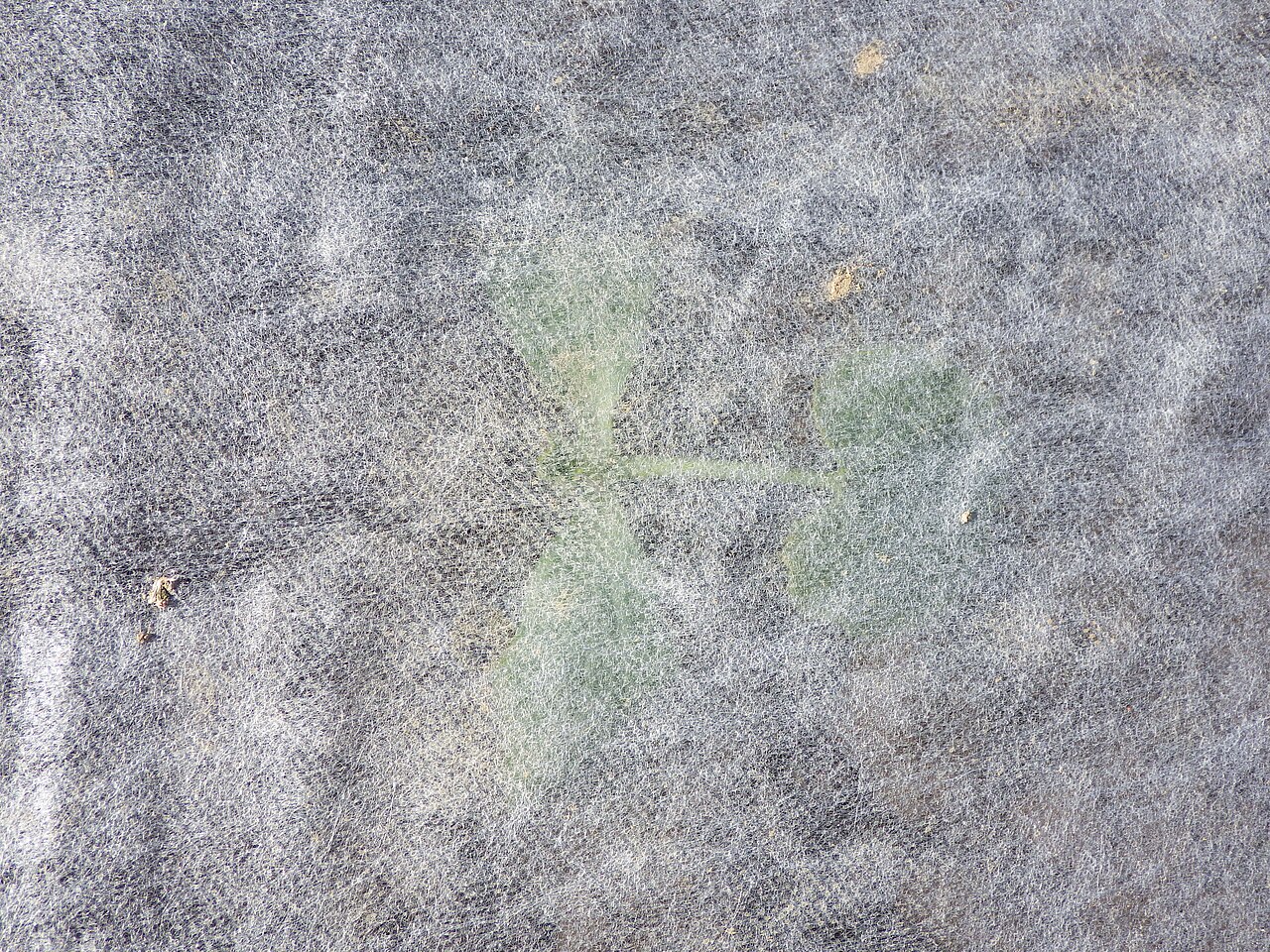
- Floating row cover: Lightweight fabric over hoops. Blocks cabbage moths, flea beetles, and many flying insects. Secure edges with soil or clips. Remove when plants need pollination (squash, cucumbers) or when temperatures under cover exceed 85°F sustained.
- Insect netting: Heavier mesh for summer fruit protection against birds and large insects.
- Cardboard collars: Cut toilet paper tubes lengthwise and wrap seedling stems at soil level to block cutworms. Push 1 inch into soil.
- Copper tape: On raised bed rims for slug deterrence in wet climates.
From Sighting to Action: A Decision Sequence
The hardest part of IPM is knowing when a problem is actually a problem. Run every discovery through this sequence before reaching for anything:
- Identify. Photograph the insect and damage. Is it feeding on leaves (caterpillars, beetles), sucking sap (aphids, mites), or just passing through? Many insects found on plants eat other insects, not your crop.
- Count and set a threshold. Note how many pests per plant or leaves damaged. A mature tomato can lose 10 to 15 percent of its foliage without yield loss; seedlings cannot. Your threshold should be stricter for young plants.
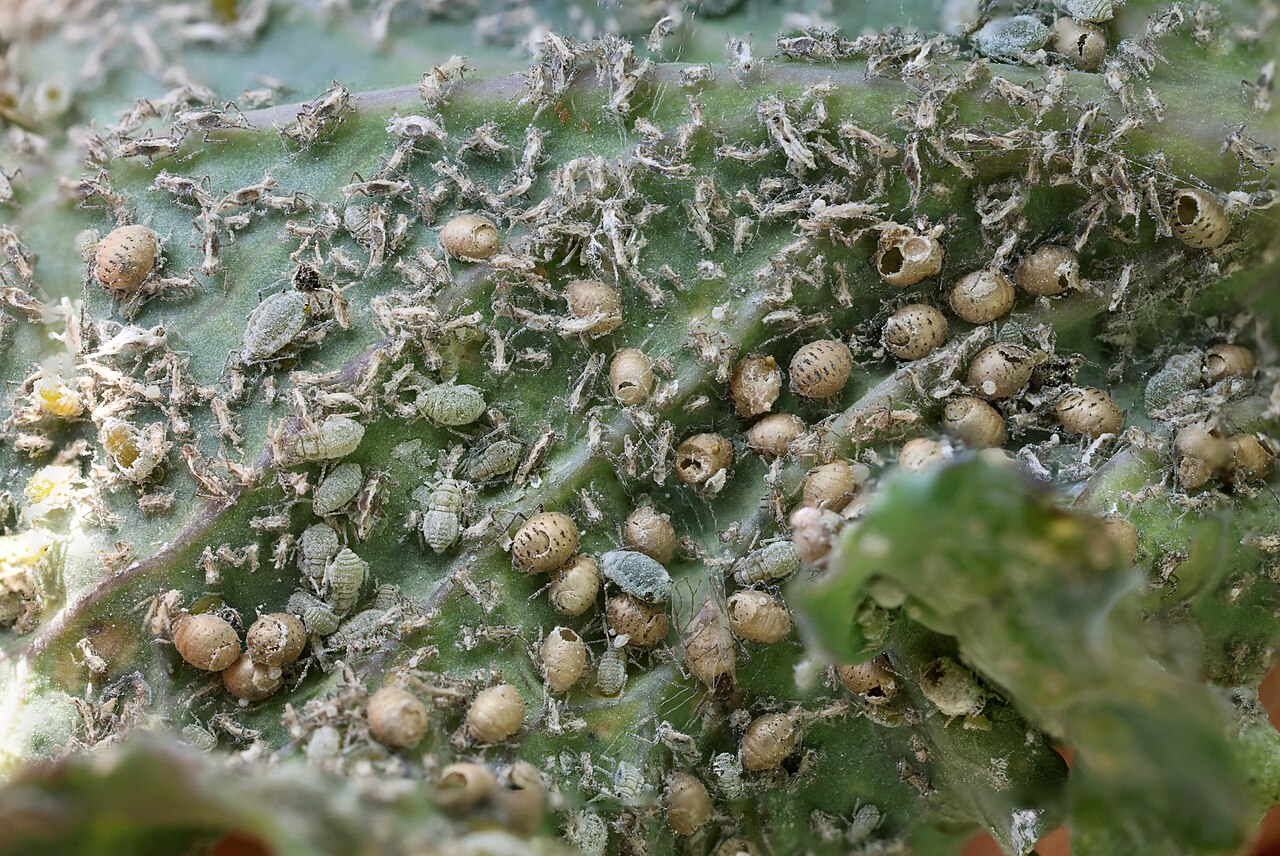
- Check for natural enemies first. Aphid colonies with mummified shells, ladybug larvae, or hoverfly larvae are already being managed. Give predators three to five days before intervening.
- Trial the least-toxic action. Hand-pick, water-blast, or exclude. Re-scout in three days to measure whether the population dropped.
- Escalate only on failure. If counts climb past threshold again, choose a target-specific spray matched to the pest — never a broad combination product.
- Log the outcome. Record pest, action, date, and result so next season's thresholds get smarter.

Affiliate recommendation: fine mesh netting for brassica beds and fruiting crops. Choose mesh size based on your target pest — smaller mesh blocks more insects but reduces airflow.
Biological Control: Let Predators Work
UC IPM notes that most gardens contain far more good bugs than pest insects — identify before spraying, because habitat plus patience usually outperforms intervention. Aphids attract ladybugs and lacewings if you provide habitat and avoid broad sprays.
Plant insectary flowers — dill, fennel, sweet alyssum, yarrow — at bed edges.
What we measured
To test whether an insectary border alone could hold aphids back, I tracked one community plot through spring:
| Detail | Record |
|---|---|
| Plot | 6-by-12-foot community plot, Seattle |
| Intervention | 1-foot sweet alyssum border added in April |
| Late May check | Hoverfly larvae visible on kale leaves |
| Aphid colonies | Stayed small without spraying all season |
Author's own records; single-plot observation, not a controlled trial.
Garden trial notes
The alyssum border cost almost nothing — one packet of seed, sown once — and it kept working without further input. The key was resisting the urge to spray the first small aphid colonies in April; those colonies were what fed and anchored the hoverfly population that took over by late May. Do not buy commercial ladybug releases as your primary strategy. They often disperse within hours if the garden lacks nectar sources and shelter. Attract local populations instead.
Organic Sprays: When and How
Use sprays only when scouting shows damage exceeding your tolerance — roughly 10 to 15 percent leaf loss on mature plants, or active pests on seedlings that barriers missed.
Bacillus thuringiensis (Bt)
Bt kurstaki targets caterpillars only (hornworms, cabbage loopers). Safe for bees when applied to foliage, not blossoms. Apply in evening; caterpillars must eat treated leaves.
The specificity is real, not marketing: per the EPA, each Bt strain produces proteins that kill only one or a few related species of insect larvae, which is why Bt kurstaki handles hornworms while leaving aphids — and the predators eating them — untouched. NPIC, the EPA-partnered pesticide hotline housed at Oregon State University, confirms strains are target-specific rather than broad killers, and that biopesticides generally pose fewer risks than conventional synthetic pesticides.
Insecticidal Soap
Potassium salts of fatty acids dissolve soft-bodied insect cuticles. Must contact the pest directly. Effective on aphids, whiteflies, and spider mites. Coat leaf undersides.
Neem Oil
Disrupts feeding and growth of immature insects. Can harm bees on contact — apply at dusk, avoid open flowers, and use sparingly.

Affiliate recommendation: horticultural soap for aphid and whitefly outbreaks. Not a substitute for identifying the pest first.
Step-by-Step Season Plan
- Pre-season: Test soil, add compost, plan rotation so nightshades and brassicas do not repeat in the same bed.
- At planting: Install row covers on brassicas. Set cardboard collars on transplants. Plant dill and alyssum borders.
- Weekly scouting: Flip leaves, check stem bases, note pest type and count. Keep a garden journal or phone photos.
- Threshold response: Hand-pick hornworms and beetles into soapy water. Blast aphids with hose water first.
- Targeted spray: If needed, apply Bt for caterpillars or soap for aphids at dusk. Re-check in 3 to 5 days.
Organic vs Synthetic: Practical Differences
| Factor | Organic IPM | Broad-Spectrum Synthetics |
|---|---|---|
| Beneficial insects | Preserved when used correctly | Often killed alongside pests |
| Target specificity | Bt for caterpillars; soap for soft-bodied insects | Many products kill wide insect ranges |
| Resistance buildup | Slower with rotated methods | Common with repeated single-chemical use |
| Soil biology | Compost and mulch support resilience | Some products harm soil organisms |
| Effort level | Higher — requires scouting and timing | Lower upfront, but rebound pests common |
Common Mistakes
- Spraying before identifying: Bt does nothing for aphids. Soap does nothing for hornworms.
- Using kitchen dish soap: Degreasers damage leaf cuticles. Buy horticultural soap.
- Ignoring leaf undersides: Aphids and mite eggs hide below. Spray or rinse both sides.
- Removing row covers too early: One missed cabbage white butterfly can lay enough eggs to skeletonize kale.
- Expecting zero damage: A few holes in outer leaves is normal. Focus on protecting growing tips and fruit.
Sources & further reading
- US EPA — “Integrated Pest Management (IPM) Principles.” epa.gov
- UC Statewide IPM Program — “Quick Tips: IPM & Beneficial Insects.” ipm.ucanr.edu
- US EPA — “What are Biopesticides?” epa.gov
- National Pesticide Information Center, Oregon State University — “Bacillus thuringiensis (Bt) General Fact Sheet.” npic.orst.edu
Sources verified August 2026.
Frequently Asked Questions
What is the first step in organic pest control?
Scout twice weekly and identify the pest. Many issues resolve with hand-picking or a water blast if caught early.
Is dish soap safe for plants?
Kitchen dish soap is not recommended. Use horticultural insecticidal soap formulated for garden use.
Will neem oil harm bees?
It can on contact. Apply at dusk, avoid blossoms, and use only when pest pressure warrants it.
How do I stop slugs without chemicals?
Night hand-picking, beer traps, copper tape on bed edges, and iron phosphate baits where slugs are severe. Reduce damp hiding spots against stems.
When should I use row covers?
At transplant time for brassicas and any crop hit by flea beetles. Remove when flowering crops need pollinator access.
Advertisement