Plants & wildlife
How to Attract Beneficial Insects to Your Garden
Build habitat for ladybugs, lacewings, and parasitic wasps with the right flowers, water sources, and overwintering shelter — without buying commercial bug releases.
On this page
Beneficial insects — ladybugs, green lacewings, hoverflies, ground beetles, and tiny parasitic wasps — do more pest control in a healthy garden than any spray bottle. The challenge is not finding them; it is giving them reasons to stay. That means continuous nectar and pollen, safe water, undisturbed shelter, and a tolerance for a small baseline of pests that feeds your allies.
This guide is for vegetable and ornamental gardeners who want to recruit local predators instead of buying commercial bug releases. You will learn which plants and structures work, how fast results appear, and what mistakes undo your efforts.
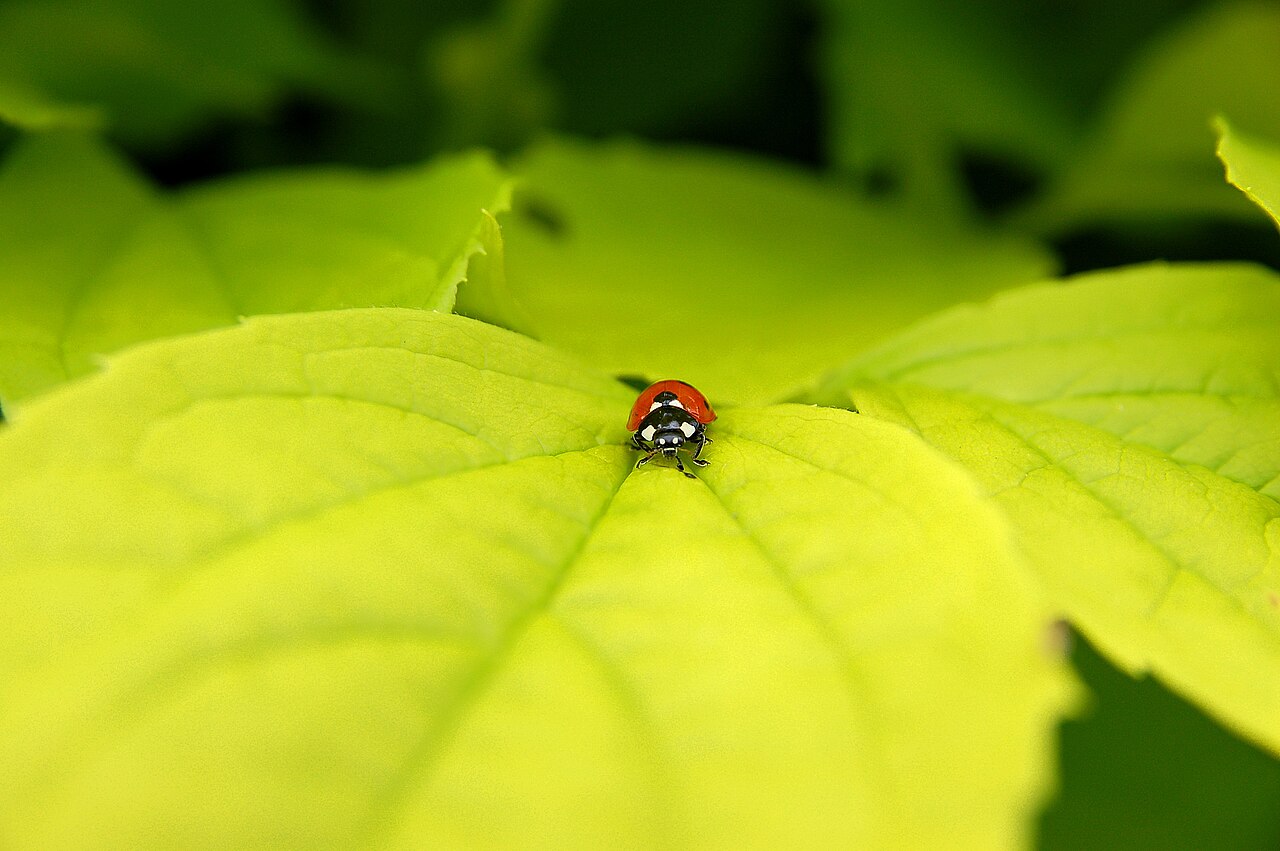
Regional note: Native insectary plants vary by ecoregion. A Pacific Northwest garden might use Douglas aster and yarrow; a Texas garden might use black-eyed Susan and native buckwheat. Choose flowers native or well-adapted to your area — generic national seed mixes often include species poorly matched to local pollinators.
Know Your Garden Allies
Beneficial insects fall into three groups:
- Predators: Ladybugs, lacewing larvae, assassin bugs, and ground beetles eat pests directly.
- Parasitoids: Tiny wasps lay eggs inside caterpillars and aphids. As the Xerces Society explains, parasitoid larvae consume and kill the host as they develop — give the adult wasps flowering natives and they patrol your beds for free. Braconid wasps target tomato hornworms.
- Pollinators: Native bees and hoverflies also contribute to fruit set on squash, berries, and tomatoes.
| Ally | Targets | Best Attractor Plants | Active Season |
|---|---|---|---|
| Ladybugs | Aphids, scale, mites | Dill, fennel, dandelion, yarrow | Spring through fall |
| Green lacewings | Aphids, mealybugs, whiteflies | Cosmos, goldenrod, sweet alyssum | Late spring to autumn |
| Hoverflies | Aphids, small caterpillars | Buckwheat, parsley, coreopsis | Early spring to frost |
| Braconid wasps | Hornworms, loopers | Yarrow, buckwheat, wild carrot | Mid to late summer |
| Ground beetles | Slugs, snails, cutworms | Native bunchgrasses, leaf litter | Night-active, spring to fall |
If you are not sure which predators are already working your beds, UC IPM's Natural Enemies Gallery catalogs predators, parasites, and pathogens by the pests they attack — worth a look before assuming nothing is helping.
Advertisement
Design for Bloom Sequence and Flower Shape
Predators need food when pests are scarce. If your garden only blooms in June, allies leave by July. Plan three bloom windows:
- Early spring: Native bulbs, willow catkins, or early alyssum
- Mid-season: Dill, fennel, yarrow, cosmos
- Late season: Asters, goldenrod, buckwheat succession sowings
Choose open, shallow flowers. Many beneficial insects are too small to access double-petaled roses or deep tubular blooms. Umbel-shaped flowers (dill, fennel, yarrow) expose nectar at the surface. The payoff is measurable: Colorado State's IPM team reports that adult lady beetles and green lacewings survive longer and produce more offspring when flowers like dill and sweet alyssum supply nectar and pollen between aphid meals.
What we measured
To keep that nectar supply unbroken, I ran a succession-sown insectary strip along my vegetable bed and logged how it performed across one season:
| Strip Detail | Bloom Calendar Record |
|---|---|
| Plot size | 2-by-6-foot strip along the vegetable bed |
| Crop | Buckwheat, re-sown every three weeks |
| Seed to first flower | About 40 days per sowing |
| Visitor response | Hoverflies arrive within days of flowers opening |
| Coverage window | Rolling bloom from May through September |
| Turnover method | Pull plants before hard seed set; next sowing is already up |
Author's own records; single-plot observation, not a controlled trial.
Garden trial notes
The rolling bridge is what matters: because each sowing starts blooming roughly 40 days after the last, there was never a week without open flowers once the first cohort hit. When I pull buckwheat before it sets hard seed, the next sowing is already coming up — a rolling nectar bridge from May through September. Perennial structure (yarrow clumps, a small goldenrod patch) covers the shoulders of that window in early spring and late fall.
Step-by-Step: Build Insect Habitat
- Set aside 10 percent wild space. A back corner with unmowed native grasses, leaf litter, and hollow stems provides overwintering shelter. Do not rake this zone in fall.
- Plant the core four herbs: Dill, fennel, yarrow, and sweet alyssum in a sunny border within 20 feet of vegetable beds.
- Add a beetle bank. A low mound (6 inches high, 2 feet wide) planted with native bunchgrass supports ground beetles that eat slugs at night.
- Provide shallow water. A saucer with pebbles half-submerged in water — refresh every few days. Deep birdbaths drown small insects.
- Stop broad sprays. Even organic pyrethrin and neem kill predators. The Xerces Society warns gardeners not to assume organic pesticides are pollinator-safe and to skip applications entirely near open blooms; combination insect-plus-disease-plus-weed products can be especially toxic to beneficial insects. Use targeted treatments only when needed. See organic pest control for IPM thresholds.

Affiliate recommendation: choose a mix labeled for your region, not a generic national blend. Verify the species list matches your USDA zone.
Season-by-Season Expectations
Habitat building rewards patience, and knowing what to expect when prevents the most common failure — tearing it out in year one because it looked quiet:
- Weeks 1–3 after first blooms: Fast annuals like sweet alyssum and buckwheat draw hoverflies and small native bees almost immediately. This is the quickest feedback you will get.
- Month 2 onward: Ladybug and lacewing numbers rise as local populations find nectar and prey. Expect uneven, weather-dependent activity rather than a steady presence.
- End of season one: Parasitoid activity becomes visible — mummified aphids, hornworms with white cocoons on their backs. Leave parasitized hornworms in place; they are wasp nurseries.
- Year two: Overwintering residents emerge from leaf litter, hollow stems, and beetle banks earlier than newcomers arrive. Ground beetle and solitary bee numbers build the most here.
Regional Insectary Picks
Match insectary plantings to your ecoregion so bloom times line up with local predator life cycles:
- Pacific Northwest: Douglas aster, yarrow, and spring-blooming ceanothus carry the early window before summer dill sowings take over.
- California: Native buckwheats (Eriogonum) are exceptional multi-season nectar sources; phacelia feeds hoverflies in spring.
- Southwest: Desert marigold, blackfoot daisy, and native sages tolerate heat while offering shallow nectar.
- Great Plains and Midwest: Purple prairie clover, blanket flower, and goldenrod species sequence well from June through frost.
- Southeast: Narrowleaf mountain mint and ironweed handle humidity; avoid dense overhead irrigation that discourages foraging.
- Northeast: New England aster, anise hyssop, and common yarrow extend nectar into October for late-season lacewings.
What Not to Do
- Buy and release ladybugs: They often fly away within hours. Habitat attracts local genotypes adapted to your conditions.
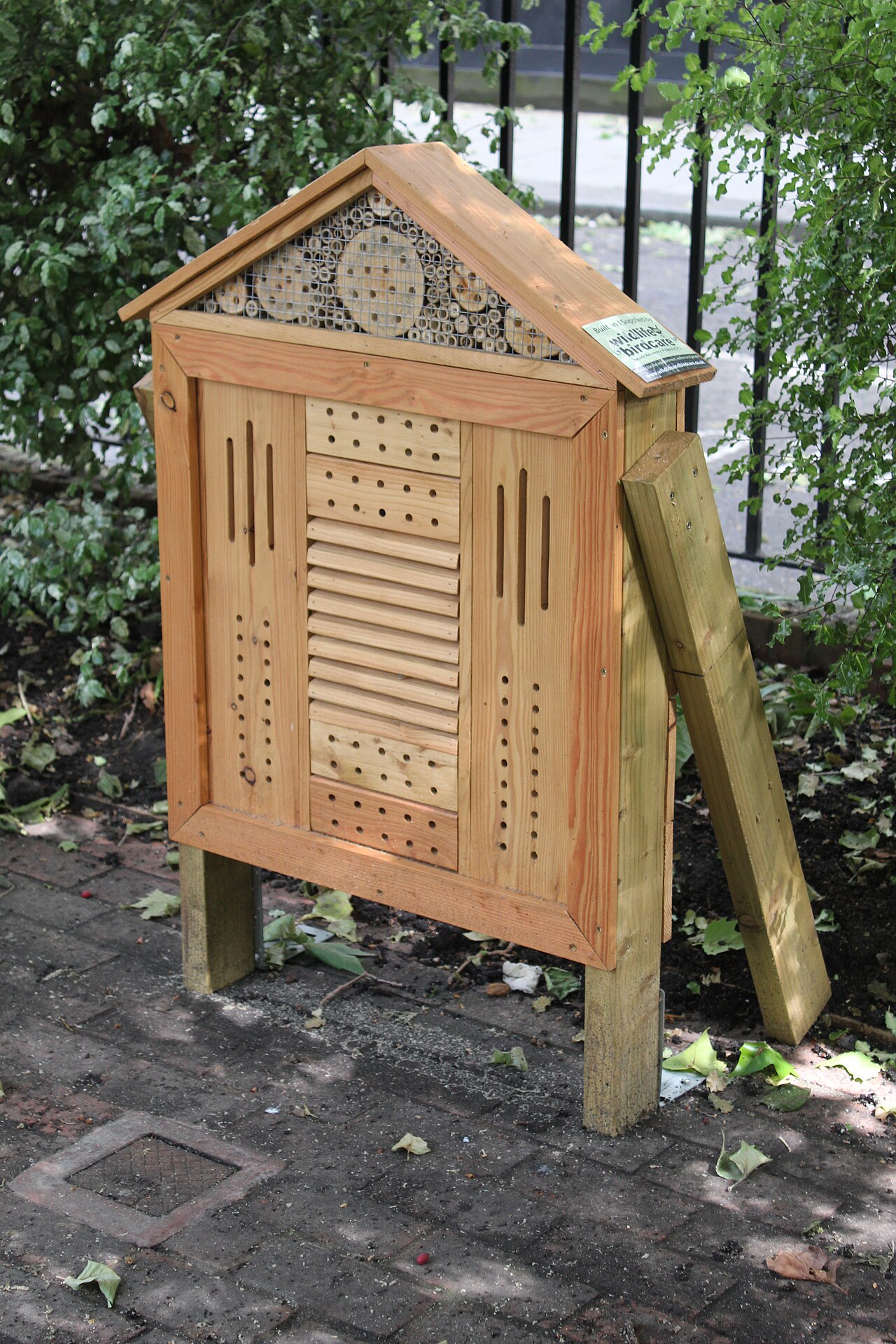
- Rake every leaf in autumn: Hollow stems and leaf litter shelter overwintering bees and ladybugs.
- Plant only double flowers: Extra petals block nectar access. Choose species or straight species over heavily bred doubles.
- Eliminate every aphid: Predators need prey. A small aphid colony on one branch sustains your lacewing population.
- Expect instant results: Habitat builds over one to two seasons. Quick annuals give fast nectar; perennial structure takes longer.
Pair With Companion Planting
Interplanting insectary herbs directly in vegetable rows combines pest masking with predator support. Dill between tomato plants, alyssum along kale rows, and nasturtiums as trap crops at bed corners create a layered defense. See companion planting combinations for spacing specifics.
Sources & further reading
- Xerces Society for Invertebrate Conservation — “How to Make a Pollinator Garden.” xerces.org
- Xerces Society for Invertebrate Conservation — “Planting for Helpful Predators: How Natural Enemies Can Control Garden Pests for You.” xerces.org
- UC Statewide IPM Program — “Natural Enemies Gallery.” ipm.ucanr.edu
- Colorado State University, Agricultural Biology / IPM — “Natural Enemies of Pests.” agsci.colostate.edu
Sources verified August 2026.
Frequently Asked Questions
How long until beneficial insects show up?
Fast annuals like alyssum and buckwheat can draw insects within two to three weeks of bloom. Beetle banks and perennial habitat take a full season to establish.
Should I buy ladybugs?
Usually not. They disperse quickly. Plant nectar sources and tolerate small pest populations to attract local ladybugs that reproduce in your yard.
What flowers attract the most beneficial insects?
Small open flowers: dill, fennel, yarrow, alyssum, buckwheat, and native asters. Avoid double-flowered hybrids for insectary purposes.
Will beneficial insects eliminate all pests?
No — and they should not. Some pests feed your predators. Manage damage to a tolerable level rather than pursuing a sterile garden.
Are predatory wasps dangerous?
Garden parasitic wasps are typically tiny and do not sting people. They target caterpillars and aphids.
Advertisement