Plants & wildlife
Companion Planting Combinations That Actually Work
Practical companion planting combinations for vegetable gardens: which pairs to try, spacing tips, regional caveats, and pairings to avoid.
On this page
If your tomatoes look fine one week and are riddled with hornworm damage the next, companion planting alone will not save the harvest — but the right neighbors can lower pest pressure, improve pollination, and help you use bed space more efficiently. This guide is for home vegetable gardeners who want tested pairings, realistic spacing, and a clear sense of what companion planting can and cannot do.
Companion planting means growing two or more plant species close enough to benefit each other through pest masking, trap cropping, nitrogen sharing, or spatial layering. It is not a substitute for crop rotation or healthy soil, but it is a useful layer in a sustainable garden plan.
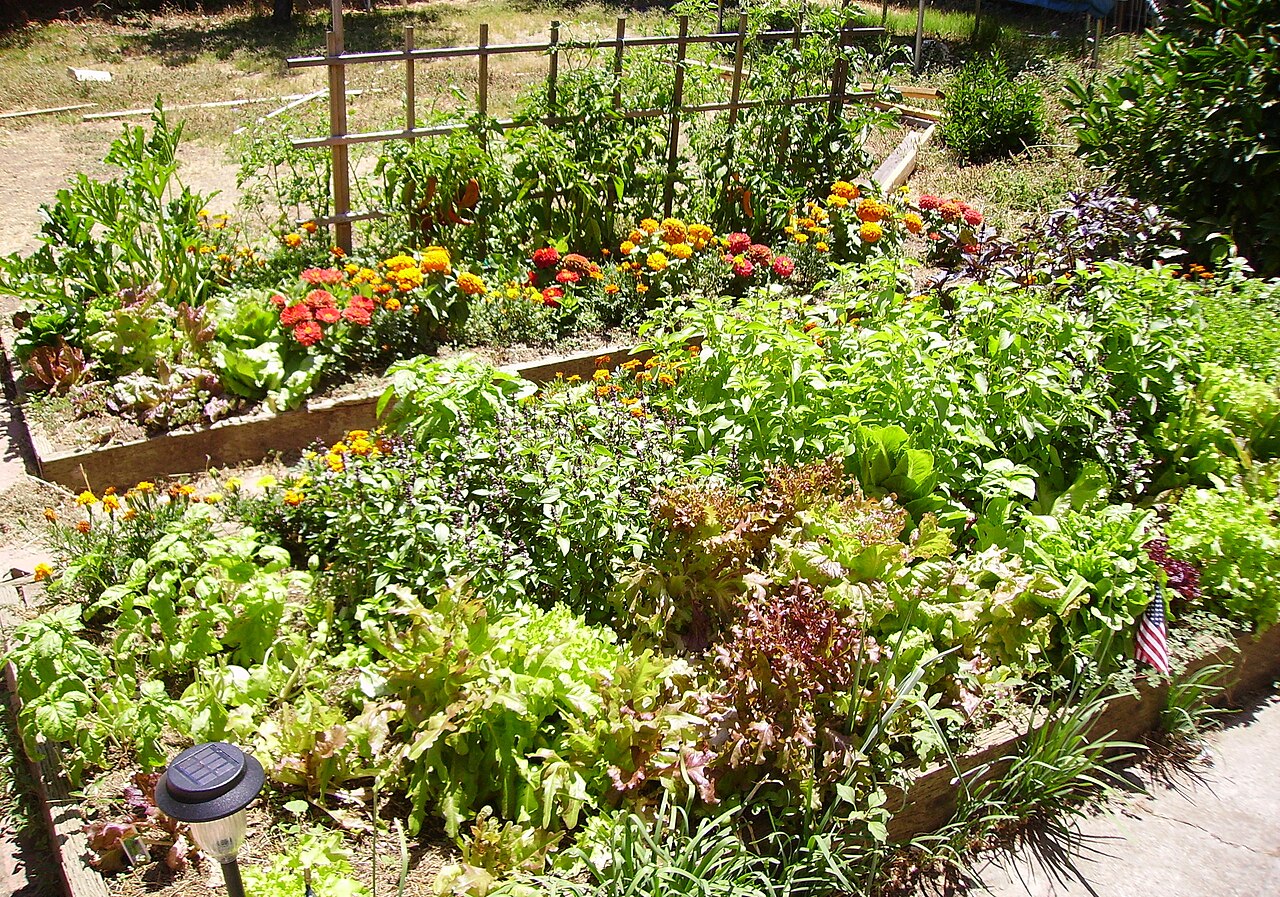
Regional note: Companion effects vary with climate. In humid Southeast summers, dense interplanting can trap moisture and encourage fungal disease — leave more airflow between plants than you would in a dry Western climate. In the Pacific Northwest, slugs are often a bigger threat than aphids; pair scent masking with physical barriers like copper tape on raised beds.
Three Combinations Worth Trying First
After years of trialing pairings in client gardens and my own 4-by-8-foot tomato bed, these three combinations consistently earn a spot on the planting map.
Tomatoes, Basil, and French Marigolds
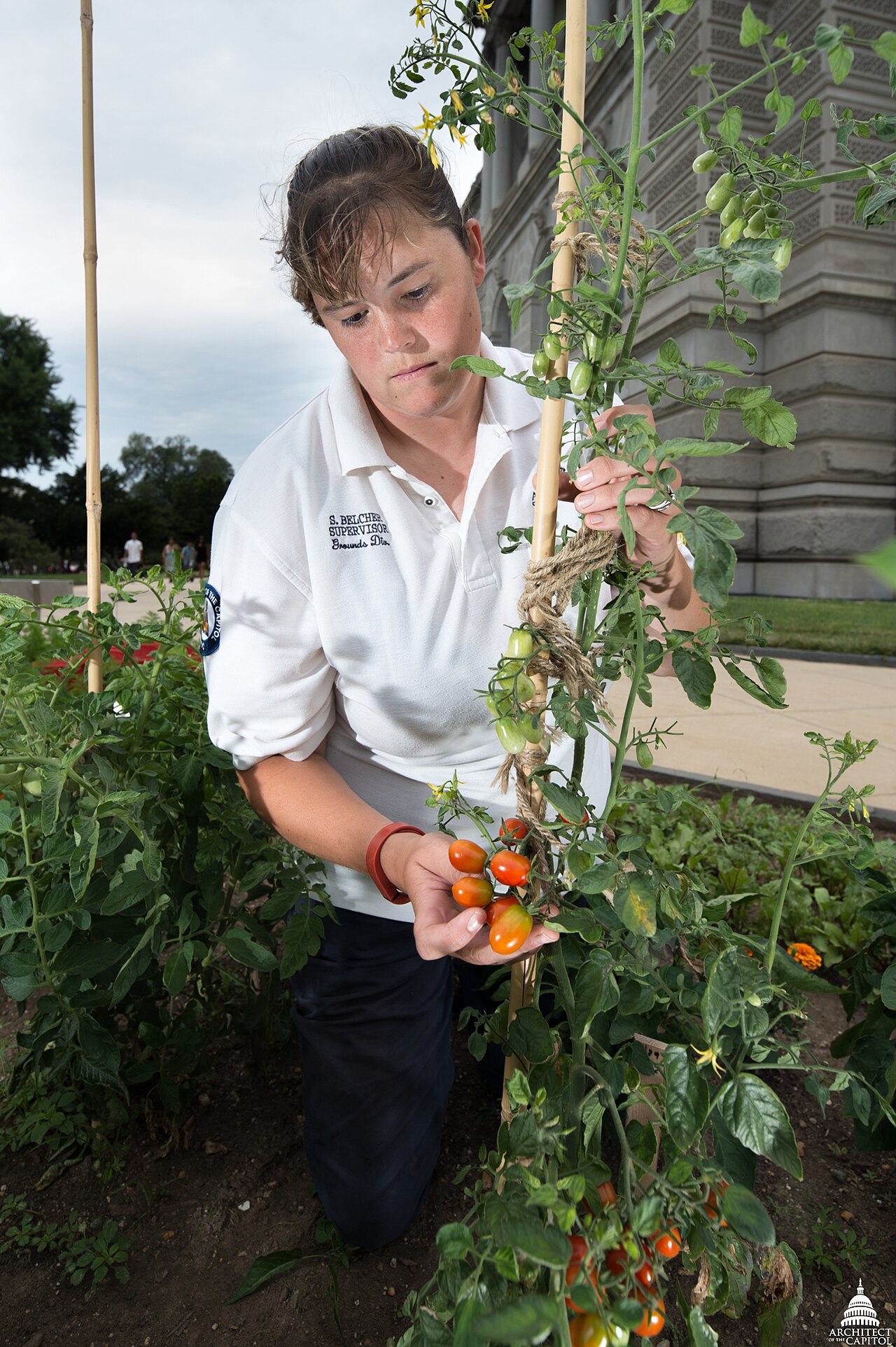
Plant one determinate or indeterminate tomato per 18-inch spacing. Tuck a basil seedling 6 to 8 inches from each tomato stem on the south side (in the Northern Hemisphere) so the tomato does not shade it completely. Ring the bed edge with French marigolds (Tagetes patula) every 10 to 12 inches.
What we measured
WVU Extension calls companion planting "not an exact science," and results genuinely vary by region — which is why I log my own pairings season by season instead of trusting any universal chart. Here is the season log from the comparison described above:
| Planting | Setup | Mid-July Outcome |
|---|---|---|
| Tomato + basil + French marigold ring | Raised bed, drip 20 minutes every other morning | Hornworm damage limited to two leaves total |
| Cherry tomato, no companions | Separate pot, same yard, same pest pressure | Roughly one-third of foliage lost |
Author's own records; single-plot observation, not a controlled trial.
Garden trial notes
In my Portland garden, I planted the tomato trio in a raised bed with drip irrigation set to run 20 minutes every other morning. Basil's aromatic oils may mask tomato scent from some insects, and marigold roots release compounds that can suppress root-knot nematodes in sandy soils — though results depend on soil type and nematode species present. One clean comparison is not proof, but it is enough to keep a pairing on the planting map and enough to justify re-running it before recommending it to clients.
Carrots with Chives or Onions
Sow carrot seed in rows 12 inches apart. Plant chive divisions or onion sets in the same row, alternating every 6 inches, or run a chive border along the north edge of the carrot block. Carrot rust fly finds hosts by smell; strong allium scents can confuse them.
Carrots need loose soil to 10 inches deep. Chives have shallow roots and will not compete heavily if you keep the bed watered evenly. In heavy clay, work in compost first — companion scents will not help carrots that cannot push through compacted soil.
The Three Sisters (Corn, Beans, Squash)
This indigenous polyculture uses vertical space efficiently. Plant corn in blocks (not single rows) for wind pollination — minimum 4-by-4-foot patch. Sow pole beans when corn reaches 6 inches tall, one bean per corn stalk. Plant winter squash or pumpkins at the corners to sprawl and shade soil.
Beans fix nitrogen that corn consumes heavily. Squash leaves reduce evaporation and suppress weeds. Allow at least 10 square feet per Three Sisters cluster in warm climates; in short-season zones (USDA zones 4–5), choose fast-maturing corn and bush bean varieties instead of pole beans to finish before frost.
Advertisement
How Companion Plants Help (and Their Limits)
Companion planting works through several mechanisms, none of which are foolproof. University of Minnesota Extension's research review found marigolds work "sometimes yes and sometimes no" as pest deterrents — which is why this list separates tested mechanisms from folklore:
- Trap cropping: Nasturtiums draw aphids away from brassicas and lettuce. Plant them 3 to 4 feet from the crop you want to protect, not mixed into the same row. The mechanism scales: SARE-funded trials measured nearly 47 times more cucumber beetles in Hubbard squash trap rows than in the cash crop they shielded.
- Scent masking: Strong herbs (basil, dill, rosemary) may confuse insects that locate hosts by smell. Effectiveness drops in windy sites.
- Nitrogen sharing: Legumes (beans, peas, clover) fix atmospheric nitrogen. Neighboring plants benefit most after legume residues break down in soil, not instantly through root contact.
- Spatial layering: Deep-rooted parsnips and shallow lettuce use different soil zones, reducing competition when water is adequate.
- Beneficial insect support: Umbel flowers (dill, cilantro, yarrow) feed adult predatory insects. See our guide on attracting beneficial insects for habitat details.
Compatibility Quick Reference
| Main Crop | Good Neighbors | Avoid Planting Near |
|---|---|---|
| Tomatoes | Basil, marigolds, carrots, garlic | Potatoes, fennel, brassicas |
| Carrots | Chives, rosemary, radishes, lettuce | Dill (when carrots are seedlings), fennel |
| Brassicas | Dill, sage, chamomile, nasturtiums (trap crop) | Strawberries, pole beans, tomatoes |
| Potatoes | Bush beans, horseradish, coriander | Tomatoes, sunflowers, cucumbers |
| Onions | Beets, carrots, chamomile | Peas, beans, asparagus |
Step-by-Step: Map Your Companion Bed
- Match water and sun needs. Pair moisture-loving celery with lettuce, not rosemary. Group full-sun plants together.
- Place tall crops first. Corn, trellised tomatoes, and sunflowers go on the north side (Northern Hemisphere) so they do not shade shorter plants.
- Leave airflow gaps. In humid regions, space plants 20 to 30 percent farther apart than seed packets suggest minimums.
- Add insectary plants at edges. Dill, sweet alyssum, and yarrow along bed borders support predators without crowding food crops.
- Record what you planted. A simple sketch helps you rotate crops next season — companions do not override the need to move nightshades and brassicas to new beds every two to three years.

Affiliate recommendation: a mixed seed kit can help you trial basil, marigolds, and trap-crop nasturtiums in one season. Choose varieties suited to your USDA zone.
Common Mistakes
- Overcrowding: Interplanting still requires room for roots and airflow. Two tomatoes in a 2-foot space will compete and invite disease regardless of basil nearby.
- Ignoring allelopathy: Fennel inhibits growth of most vegetables. Keep it in its own container or dedicated bed.
- Expecting companions to fix poor soil: Compost and mulch matter more than any pairing. Start with building living soil first.
- Planting incompatible water needs: Rosemary and basil in the same pot will frustrate you — one will always be stressed.
Sources & further reading
- University of Minnesota Extension — “Companion planting in home gardens.” extension.umn.edu
- SARE (USDA NIFA-funded) — “Trap Cropping in Vegetable Production: One Tool for Managing Pests.” sare.org
- West Virginia University Extension — “Companion Planting.” extension.wvu.edu
- Bomford, M. — “Yield, pest density, and tomato flavor effects of companion planting.” researchrepository.wvu.edu
Sources verified August 2026.
Frequently Asked Questions
How close should companion plants be to each other?
Within 12 to 18 inches for most pairs, or alternating every 8 to 12 inches in the same row. Border plantings can sit 6 inches from bed edges.
Does companion planting replace pest control?
No. It reduces pressure and supports beneficial insects, but you still need rotation, scouting, and occasional targeted treatment. See organic pest control methods for an IPM framework.
Can I companion plant in containers?
Yes. A 5-gallon pot fits one tomato plus one basil at the rim. Match water and sun needs, and avoid cramming more than two species into small containers.
Why should tomatoes and potatoes stay apart?
Both are nightshades sharing blight and pest vulnerabilities. Proximity makes it easier for disease to move between them in the same season or through soil residue.
Do marigolds need to be a specific type?
French marigolds (Tagetes patula) are most commonly recommended for nematode work. African marigolds are taller and better suited to perimeter borders.
Advertisement